Thinking Of My Mother by Tasha Halpert

Me and mama by Bachrach     It makes me happy that there is a day set aside each year to be devoted to acknowledging mothers. The folderol that has grown up surrounding it is a product of the commercialism with which we are surrounded. Most mothers would probably be glad to do without the obligatory dinner out at a restaurant jammed with other families setting out to treat her to a meal she does not have to cook, or the trinkets she has to find a place to put on her crowded bureau.

To me what is more important is that Mothers’ day serves as a reminder that much of what mothers do all year round is usually taken for granted by their children. This ranges from the daily meals and laundry to the cleaning and tidying that goes with looking after a family. Trust me, I’m not complaining here, actually I’m thinking of my own mom and how much of what she did that I took for granted as I was growing up.

Of course she provided meals and did what she could to keep up a household with four children and a husband who was not inclined to help with housework. She wouldn’t let him cook because she said he burnt things and she intensely disliked wasting food. What she did do, personally for me, is more to the point in my memory.

She helped me with my homework, especially anything to do with languages. She worked hard to drill a proper French accent into me, and she faithfully reviewed my vocabulary and grammar lessons as well. She endured my piano practice as best she could. A trained musician with a perfect ear, I know that she cringed through my practice, and she quickly acquiesced when I said I didn’t want to take lessons any more.

When as a teenager I needed to reduce my weight she carefully counted my calories and helped me lose fifteen pounds two summers in a row. I remember that she did despair, Nor did she complain when I gained back most of what I had lost living at my grandmother’s, but set simply about doing it again. My robust grandmother did not count calories and she ate four good meals a day including tea with English muffins and home made cookies or cake.

My mother certainly tried hard to do the best she could for me. Often she went without to make sure I had what I needed. As I remember, at the time, I did not appreciate my mother’s efforts. I grew to understand how valuable they were once I had children of my own. It is truly said that one cannot fully appreciate what a parent goes through until one becomes one. I miss her. The four years since she breathed her last have sped by. I think of her often. Sometimes I feel her presence just as though she is with me, only in another room yet still within hearing distance.
Soaking by Tasha Halpert

Tree, Leaf and Puddle    When I was small if I got a cut my mother often put iodine on it. I hated that because it stung like anything, and it turned my finger orange. Sometimes she used alcohol, which was equally bad. As a somewhat clumsy and heedless child I often fell down, banged myself, cut myself or otherwise got scraped up, so I was well acquainted with these disinfectants and the white Band-Aids that always hurt when they were pulled off.

As an adult I prefer something easier and more pleasant: soaking. I thought about this recently as I soaked my sore finger. I had stuck with a knife and the small wound was bothersome. As I did so it I thought of how well the application of hot water works to heal small cuts and infections as well as reduce swellings. Over time it speeds up the healing process and prevents infections from spreading. Heat is a remarkable healer. However I would probably have been too impatient as a child for soaking.

Heat also can work wonders in other ways. Last month I pulled a muscle in my thigh. Nothing seemed to help or make it better until my acupuncturist suggested applying a heating pad to it three times a day for twenty to thirty minutes. The pain soon diminished and it took only about a week or so to go away completely. Soaking the sore muscle in heat did the trick. Combined with a bit of patience, soaking is good medicine.

Soaking has a number of virtues. An important aspect of the soaking process, however, is time. For instance, the best way to clean a sticky, gummy pot, pan or dish is to soak it for a while. Often hot water is all that is needed to resolve whatever has adhered itself to the utensil. Occasionally the addition of soap or a scrubbing sponge helps. Once again, soaking plus time equals situation resolved. It is remarkable how much hot water helps to resolve a difficult or even a painful problem.

Stains on clothing also respond to soaking, though sometimes it is cold water that is wanted rather than hot, depending on the stain. Soaking also works as well for physical aches and pains. When the body is achy, one of the great luxuries in life is a hot bath in which to soak. Epsom salts, an inexpensive remedy added to the hot water in the tub increases its efficacy.

In today’s fast paced world impatient people often seek speedy resolutions. Medicine must work overnight if not immediately. With the correct chemicals clothes, pots and pans must sparkle right away. This attitude doesn’t allow for the gentle, safe application of time and soaking. An old fashioned way of doing things can often be more effective, less expensive and in many ways perhaps easier over all.

Rewards by Tasha Halpert

Sydney's Party 1        Remember when teachers handed out gold stars for rewards? If you did well in class, if you wrote a neat paper, or for any of a multitude of reasons, you could get one next to your name or else on your homework. It was a wonderful experience to get a gold star. For me, it happened seldom. I was young for my age in the class and so my skills were not as well developed as those of my classmates. However, that was long ago and I don’t feel I suffered for it.

Perhaps in today’s politically correct climate teachers might not use gold stars as a reward. Not being in school or in the know, I have no idea. All I do know is that rewards are as important to me now as they were to me as a child. When I have worked hard, done a good job by my own standards, or fulfilled an obligation, I like to find a way to reward myself. It makes me feel good and it also encourages me to continue to make an effort.

At times a reward can function as a kind of bribe or inducement if you will. Not that I feel I must have a reward to do what I have to do–most especially if I don’t feel like doing it just then. However sometimes it’s nice to look forward to one at the end of a difficult task or experience. Most often a reward can be a reminder to me that I love myself and honor my efforts.

In the rather strict atmosphere in which I grew up, there were no rewards for good behavior. I was expected to behave. What usually happened was that I was punished if I didn’t behave the way my parents wanted me to or thought I ought to. Things were different then and those were other days and times. Today’s parents have learned from Dr. Spock and other sources to raise their children in more kindly ways.

Over the years I have learned to treat myself as if I were my own kind parent. It took me a while to understand the importance of that, and once I did it made a great difference. For instance I pat myself on the back when I have done a good job, or praise myself for whatever effort I might have put out even if I wasn’t successful in my attempt. Sometimes I reward myself by going for a walk or reading a book, at other times I might buy a small treat I’ve been wanting. I try not to make food a reward because I don’t need the extra calories.

My favorite reward is to give myself time to do what I enjoy, whether that is reading a book, taking a walk in nature, or writing or working on a poem. To me this is neither selfish nor is it self indulgent. Instead, It seems to me it is an important way to show myself love. It is my understanding that the more I love myself the more love I can feel from those around me. Rewarding myself is an easy way of showing myself love. It feels good, and also it helps me to be a happier, more giving person.

Robin’s Garden, by Tasha Halpert

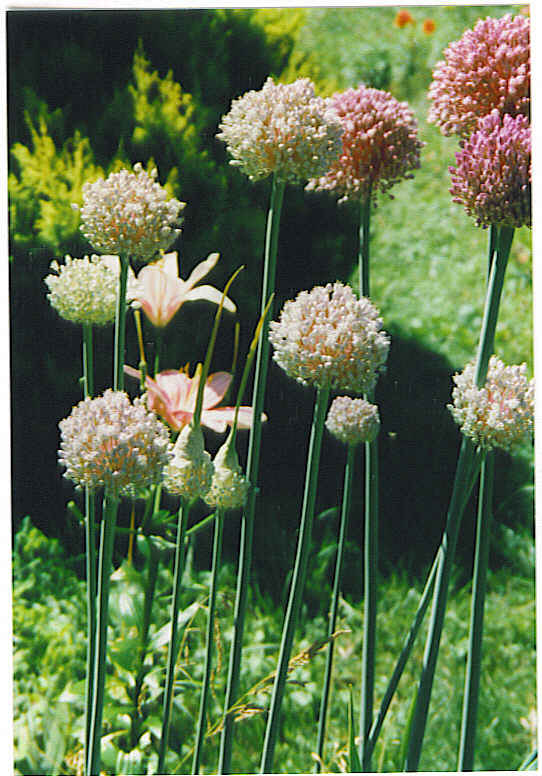
More leeks for copyMy late son Robin was a gardener by nature. He loved plants and grew them with joy. Whatever he chose to plant grew well for him. He loved growing his own vegetables and harvesting them to cook for himself. As do the Native American peoples, he believed in giving back to the earth whatever was taken from it. Toward that end when he harvested his vegetables he would always give back something to the ground where they were planted.

He helped me with my garden when I had one, however my gardening days are now over and I no longer have the physical space to grow seeds and plants. Nevertheless, each spring I grow something in his memory. I call it Robin’s memorial garden. I create it not with seeds but with recycled carrot tops. I always have carrots in my refrigerator. Carrots are one of my staples.

My vegetable drawer is never without a package of organic carrots–you never know when you’ll need one for soup, salad or just a vegetable for a meal. In the spring, when I take them out, the tops often have sprouted just a bit. These sprouts are my cue to begin Robin’s annual memorial garden. I cut about a half to three quarters of an inch or so off the top of each sprouted carrot and place it in a shallow dish on my kitchen counter.

There they will get some light. After a while green feathery tops appear. These will grow until they have exhausted the nourishment left in the carrot. This is what I call Robin’s garden. Sometimes the carrot stubs grow little roots. I have read that if I were to plant them–which I have not done, they might grow another carrot. I watch with pleasure the little green sprouts grow and think of my son and his green thumb.

While he is no longer growing anything on Earth, his life has inspired wonderful growth here, both for me and for his sister, my daughter Laura. She has done and continues to do valuable work to bring awareness of and assistance to those with traumatic brain injury. In life, Robin sustained a number of concussions as a result of his enthusiastic pursuit of ice hockey. Today my daughter has not only written extensively about traumatic brain injury she has also worked as an advocate to be of help to those with this condition.

In the year after he died I decided to create a body of work in his memory. He loved poetry. As a memorial to him, I began a deliberate focus for myself on what I call the poetic eye: a way of looking at life from a poetic perspective. Since his death I have written many hundreds of poems. This work is also dedicated to him. I know that there are others who have been inspired by him as well. He goes on living in their efforts. While I regret deeply that he is no longer on earth, I celebrate his life with my remembrance and with these little carrot tops that I grow each spring.

Dealing With Anger

There seems to be a great deal of anger circulating these days, whether in the form of “road rage,” destructive actions involving armed individuals, bullying that makes the news, and more. The majority of video games and even the comics and illustrated books for young people are very violent in nature. Furthermore, this country has been at war with some nation, group or another for a very long time. Anger is all around us, yet it is also a band aid over grief.

I am reminded of the fifties, a time for bleak news, back yard bomb shelters, and dark tales on TV and in the movies. The climate then was one of fear and to some extent, existential responses to dire circumstances. “Die young and make a good looking corpse,” was a popular saying. Although people were more polite on the surface, anger and fighting were also a common reaction. Bullying was almost acceptable–considered normal, many thought it would toughen someone up for the “real world.”

When I was in grade school I was often the object of bullying. One of the reasons may have been because I was slow to anger, yet when I did finally respond, I would explode into a fit of rage. Toward this end my classmates would taunt me, snatch my hat or my eyeglasses and do whatever they could to get me to that breaking point. Most likely they enjoyed the show. When my parents complained they were always told I had started it.

My father and mother were both rather fiery and temperamental, which might be why I disliked getting angry. I was uncomfortable with their arguments, which frightened me. Although they loved each other dearly, they disagreed about a lot of things. Being as young as I was I didn’t really understand much about this, I only knew I felt uneasy and afraid when their voices rose. This in turn made me want to avoid that kind of behavior.

Often it has been my job to try to get people who disagree to come to some kind of understanding. Yet each person has a point of view based on his or her experience and perhaps his or her beliefs. It is almost impossible to argue with someone’s beliefs. By their nature these are not based on logic but have an emotional base. What we feel generates and supports our beliefs. Perhaps the best that can be done may be to agree to disagree.

However, anger is a conditioned response that can be controlled and then changed to a different one. With practice, a compassionate response can be substituted. To me anger seems a waste of energy. When I encounter senseless violence or cruelty, I have taught myself to feel my sadness, and then to say a prayer for the afflicted. For my part, to counter the disturbing news items I read in the papers or see on TV I make an effort to be kind when and where I am given the opportunity. It might be only a drop in the ocean, however, it’s something I can do.

Photo and Text by Tasha Halpert

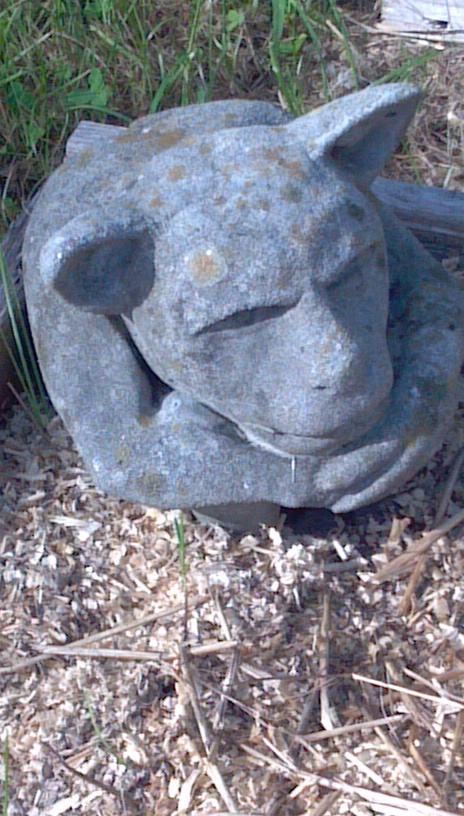
.Gargoyle

A Very Special Easter Bunny

I have many memories associated with Easter, dating back to my childhood and continuing on through the years between then and now. In the days when ladies wore hats to church, as a child I wore a straw hat with a wide brim and a ribbon tied around it that hung down my back. My father would always buy my mother and me corsages, a gardenia for me and an orchid for her. I loved the scent of the gardenia. However, there was no Easter basket, candy, or hiding of eggs. After church we usually went to my Great Aunt Alice’s for Easter dinner.

When I was married and had two young daughters of my own I used to sew Easter outfits for them–little spring coats and pretty dresses. We always hid candy eggs around the living room. When my daughters were old enough to do some independent purchasing, they planned a special surprise for their parents. They walked to the local candy store and spent their own money on Easter candy, although not for themselves. Then on Easter morning they got up early and created an Easter egg hunt for their parents.

I will always remember coming down into the kitchen and seeing the foil wrapped eggs gleaming from their hiding places. Then two little voices called out “Surprise!” Bright in my memory are the two dear faces wreathed in smiles. “The Parent Easter Bunny came and hid eggs for you to find,” they told their father and me. What fun it was to discover where the eggs were hidden. What a pleasure it was for them as well to create this wonderful experience. It continued for some years, and each Easter their father and I looked forward to it.

Time and tide move us onward. More children came along to hunt for eggs and enjoy the Easter celebrations. The girls went off to college and began their own lives. Later on when they were married and grown, one lived too far away to celebrate at Easter with us. However the other lived close enough to drive over. We would go to a very special candy maker in the vicinity. Together we picked out candy for the grandchildren, and she took it home for the Easter Bunny to give them on Easter morning. Although I didn’t get to see their faces when they discovered their gifts, I had the pleasure of participating in their happiness.

Throughout the Western hemisphere, Easter is in part a religious holiday and in part a celebration of the coming of spring. Since before recorded history human beings have honored this time. Archeologists have found red dyed eggs dedicated to the German goddess of spring in Europe. There are many traditions from every where in Europe that are part of the way we celebrate today. Most spiritual paths and religions have their own spring celebrations. The dear Easter Bunny is a precious reminder to us that the days have grown longer, the trees will be budding, and life emerges joyfully in the new season.

Laura and diana 3The Parent Bunnies are all grown up.

A Very Special Easter Bunny by Tasha Halpert

I have many memories associated with Easter, dating back to my childhood and continuing on through the years between then and now. In the days when ladies wore hats to church, as a child I wore a straw hat with a wide brim and a ribbon tied around it that hung down my back. My father would always buy my mother and me corsages, a gardenia for me and an orchid for her. I loved the scent of the gardenia. However, there was no Easter basket, candy, or hiding of eggs. After church we usually went to my Great Aunt Alice’s for Easter dinner.

When I was married and had two young daughters of my own I used to sew Easter outfits for them–little spring coats and pretty dresses. We always hid candy eggs around the living room. When my daughters were old enough to do some independent purchasing, they planned a special surprise for their parents. They walked to the local candy store and spent their own money on Easter candy, although not for themselves. Then on Easter morning they got up early and created an Easter egg hunt for their parents.

I will always remember coming down into the kitchen and seeing the foil wrapped eggs gleaming from their hiding places. Then two little voices called out “Surprise!” Bright in my memory are the two dear faces wreathed in smiles. “The Parent Easter Bunny came and hid eggs for you to find,” they told their father and me. What fun it was to discover where the eggs were hidden. What a pleasure it was for them as well to create this wonderful experience. It continued for some years, and each Easter their father and I looked forward to it.

Time and tide move us onward. More children came along to hunt for eggs and enjoy the Easter celebrations. The girls went off to college and began their own lives. Later on when they were married and grown, one lived too far away to celebrate at Easter with us. However the other lived close enough to drive over. We would go to a very special candy maker in the vicinity. Together we picked out candy for the grandchildren, and she took it home for the Easter Bunny to give them on Easter morning. Although I didn’t get to see their faces when they discovered their gifts, I had the pleasure of participating in their happiness.

Throughout the Western hemisphere, Easter is in part a religious holiday and in part a celebration of the coming of spring. Since before recorded history human beings have honored this time. Archeologists have found red dyed eggs dedicated to the German goddess of spring in Europe. There are many traditions from every where in Europe that are part of the way we celebrate today. Most spiritual paths and religions have their own spring celebrations. The dear Easter Bunny is a precious reminder to us that the days have grown longer, the trees will be budding, and life emerges joyfully in the new season.

The God Connection by Tasha Halpert

Joy I recently read an article in a national magazine about belief in God. The article was filled with all sorts of statistics concerning what percentage of which age groups believed in a supreme being, and other things having to do with religion in the United States. It did not divide belief along the lines of particular denominations or faiths. The article pertained mainly to simple belief in God.

While the article said that a great number of people do indeed believe in God, it also spoke of and about many who had issues with how they felt the Supreme Being ought to act. I was struck by the number of people that felt there was something wrong if God does not answer their prayers in the affirmative.

Many who were quoted in the article felt that a person they loved and prayed for ought to have survived, and that God should insure that. The common thread is, “Why did God allow that illness, accident, crime, and so on?” However perhaps they have forgotten about free will.

Praying to preserve someone’s life is a natural act, however it might not be in the best interests of that person to survive or to be healed. As well, if it is a case of God allowing something to happen it seems to me that God’s vision might be more accurate, being long range and unlimited. There are many factors that go into what occurs and why.

Some questioned why terrible things like the holocaust or plagues took place without God’s interference. Yet doesn’t a good parent let the children figure it out for themselves? Making things easy may not be in our best interests. Humanity as a whole must learn for itself what and what not to do, and we learn by doing. In addition because we are eternal souls, we surely survive in another form. While we may grieve a personal loss, there is no permanent death.

My personal perception of God is that of a benign force within all of creation, connected with each of us. God speaks to us through this connection in many ways. Listening is not always easy, especially when the answer is not what we wish to hear What can get in the way of my connection with God are my impatience, uncertainly and doubt. I do find that the more I listen within, the better I connect. Then I feel the personhood of God as a sense of all pervading love. As I allow the awareness of that force to guide me I am a happier more effective person.

Learning this has been a gradual process that has taken me most of my life. As a child I felt a strong connection to God. As I grew up I became more involved in life and that connection, while still there, was not as obvious to me. Eventually after much exploration and study I have come to appreciate that connection in a new way, and I realize that it is the same connection I have always had. However now I am more aware of and more reliant upon it, and it is a source of great joy.

Spring Mood Swings

It as been my experience that many, if not most people would like to believe that spring consists entirely of balmy breezes and blossoming trees, along with pleasant showers that bring May flowers. Perhaps this is only their wishful thinking, yet it seems to prevail among people with whom I have casual conversations. A few days of delightfully warm weather and they are sure that spring has arrived. Then when the weather turns cold, as it may for at least six or more of the weeks of Spring, they say that winter has returned. Yet nature knows best. The cycle of gradual warming and cooling allows for trees, plants and animals to partake in their awakening process at their natural speed.

What people may not realize is that were it to become summery all at once, the natural world of plants, animals and even people would not be equipped to deal with that enormous influx of energy. Try plunging your hands into hot water when they are severely chilled. It’s painful. Victims of frostbite must be warmed up gradually. Our bodies need to get used to the change of the seasons also. Spring foods like asparagus and rhubarb are good for that.

It would be nice to think of the season of spring as entirely warm and pleasant. Yet it actually begins on the Equinox with equal hours of light and darkness. The gradual lengthening of light awakens the life energy in plants and animals. The hours of daylight have been increasing perceptibly since the beginning of February. Now we have reached the actual balance between the hours of dark and light. From now on, light is in the ascendance.

Living as we do in a world where electricity can turn night into day, we may not be as aware of the nurturing quality of darkness. I find I enjoy the dark hours as much as I do the light. While I love the light and appreciate the lengthening days of spring, I also remember with pleasure the snugness of the long winter’s nights and the coziness of the covers when it is dark outside. Balance is good. The ups and downs of spring weather remind us of that. I am glad I live where the seasons bring an obvious change. As I drive I smile at the swelling, pinkish buds of the as yet bare trees as they reach toward the sun and its warmth.

The relief we feel when the sun warms us is surely increased by our natural reaction to the bitter cold. The grief we feel as skies cloud and chilly breezes blow reminds us of what we seem to have lost. Yet as a wise person has said, spring brings hope. Even during the days it seems to retreat we can maintain that hope by acknowledging how we much cherish the longer hours of daylight as well as the slow but steady increase in the pleasing warmth that swells the buds of the trees and urges the spring flowers open.

Spring flowers 2 for copy

The Hands of Love, by Tasha Halpert

Reflections and window box          Sometimes people ask me where I get the ideas for my weekly columns. Lately I have realized that I often find inspiration for them as I am doing tasks around the house. This is probably because I prefer to write in a down-to-earth way about those things we all experience. In that way I can insure that the people who read my offerings can more easily relate to what I am saying.

I feel that by writing about what I experience and what happens as a result I can be of practical help to my readers. Although my mother did not think so, I am a very practical person and like to convey practical advice. Most of us can relate most easily to what happens on an everyday basis. The inspiration for this column came to me as I was folding laundry.

The spring sun shone through the double glass doors of our bedroom. It felt good to see the brighter light as it filled the room. I thought of spring and how nice it was to have more light coming in the windows. As I picked up one of Stephen’s tee shirts, I smiled to think of him wearing it. Then a phrase drifted through my mind: the hands of love. That’s right, I thought, when I fold the laundry and think with love of the ones who will wear it, I am folding the laundry with the hands of love.

Then I thought about what this meant and how it applied to what I was doing at the time. Over the past few years I have been working on a daily basis on staying in the present moment. Whenever I think to do it, I take a breath, center myself and become fully aware of wherever I am and whatever I am doing. Because I have been doing it for a while, I now find that this sometimes happens spontaneously. What helps a lot in the practice is to focus directly on whatever one is doing in order to be fully present as one is doing it. Eventually this can become a habit.

Maintaining a sense of awareness is an inner discipline of mindfulness that can be practiced when doing any ordinary task. It is also good practice to do it at that time because I find I am most easily distracted when I attempt to keep my focus on the present moment. My mind has a tendency to wander about on its own, most especially when I am doing a repetitive task. I have to realize this in order to pull it back and focus it on the work at hand. Then when I lose track, off it goes. This has become almost like a game I play with myself.

The nice things is that this little exercise in mindfulness can be done so easily at any time and so joyfully, wherever I am and often whatever I am doing. However, when I think of the person who will wear the clothing, eat the food or benefit in some way from what is being done, I find it much easier to keep my focus. Even as I write my words for my weekly column, when I think of the recipients, I am writing with the hands of love. This makes any task a more joyous experience. Thus as I move through my days with this focus, I feel the joy of doing and giving flowing through me and it feels so good.