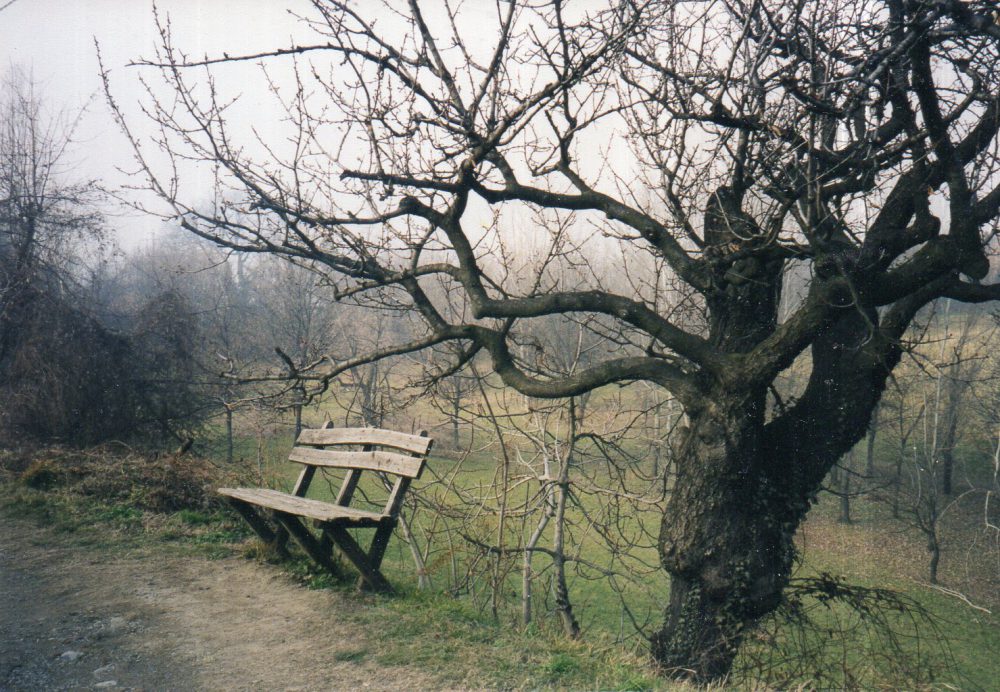
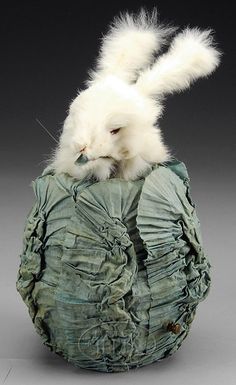
Heartwings says, “Like Easter, Eggs are symbols of beginnings and renewal, the essence of spring.”
My father was attuned to all things that concerned or had to do with nature. His grandfather was an amateur horticulturist, who may have been his first teacher. Though he never studied horticulture or took classes as far as I know, he had a broad interest in plants and trees. He also kept chickens, and we always had plenty of fresh eggs, as well as chicken to eat. I can still see my mother, standing by the sink, plucking the feathers from the younger chicken she was roasting for dinner, or from the elderly fowl, no longer laying eggs, that was headed for soup.
During World War II many things were scarce, eggs among them. We had plenty to share, so daddy would often sell a dozen eggs to people he knew, receiving whatever he charged for them to defray the cost of the grain and mash he fed the layers. I can remember him once, laughing over a rather rude response he got from one customer, an acquaintance, who told him to go around to the back with his delivery. He didn’t take it to heart, because he had a good sense of humor. I was often called upon to feed and water the hens, and I received a small allowance—fifty cents a week, for doing so.
What brought all this to mind was the fact that this weekend it’s Easter, and eggs are an important symbol of the holiday, as well as a prominent feature. One year, as I recall we had so many eggs, my mother and father decided to hold an Easter egg hunt. I helped color the eggs, but was not allowed to participate in the hunt. I remember looking wistfully out the window from the second floor of our home as the invited children of friends scurried around, discovering the hiding places of the eggs. The adults were probably enjoying cocktails and snacks, as they often did at gatherings my dad hosted.
Besides eggs, Easter in my household meant flowers, both corsages for my mother and for me, and flowers in vases and plants in pots for the house. It also meant wearing hats in church. I recall a straw hat with a broad, turned up brim. It had a wide blue grosgrain ribbon that went around the crown and hung down in the back, descending from a bow. We attended two services, first my mother’s Catholic one, then my father’s Episcopalian one, which I loved. There was singing of familiar hymns—we sang one or two of them each morning at my school’s morning meetings, plus the service’s words were in English. Even better, there were cushions to kneel on instead of the hard wooden benches of my mother’s church. Happily, there was a geranium for me and every other child there, to take home after the service was over. Such spring symbols bring the assurance that the old is passing away and the new is here.
May you find your heart renewed by spring’s symbols.
Blessings and best regards, Tasha Halpert
PS If you have any Easter stories, please send them along, I love hearing from you. You can write me at tashahal@gmail.com. Sign up for more Love Notes at my blog, found at https://tashasperspective.com/Pujakins
 On Easter after church, we usually went to dinner with my Great Aunt Alice in her big house next door to the cottage my parents rented from her. She would have a beautiful table with gleaning silver, fragile china and sparkling crystal goblets set in the large dining room she used for formal occasions. Once the soup course was done and dishes removed, people brought in to help, carried around platters of meat and dishes of vegetables. These would be followed by dessert and finally, finger bowls with a sprig of green lemon verbena floating in them. The silver candy dishes with chocolates I eagerly eyed all through the meal were finally passed around.
 Though I’ve never had it or made it myself, I remember Goldenrod Eggs–a dish made with hard boiled eggs that my mother served at luncheon parties. The eggs were carefully hard cooked—never boiled as this turns the yolks green. The whites were chopped up and stirred into a white cream sauce. This was spread over toast with the crusts cut off and made into triangles. The yolks were then pressed through a sieve and sprinkled over the top of the creamed whites.
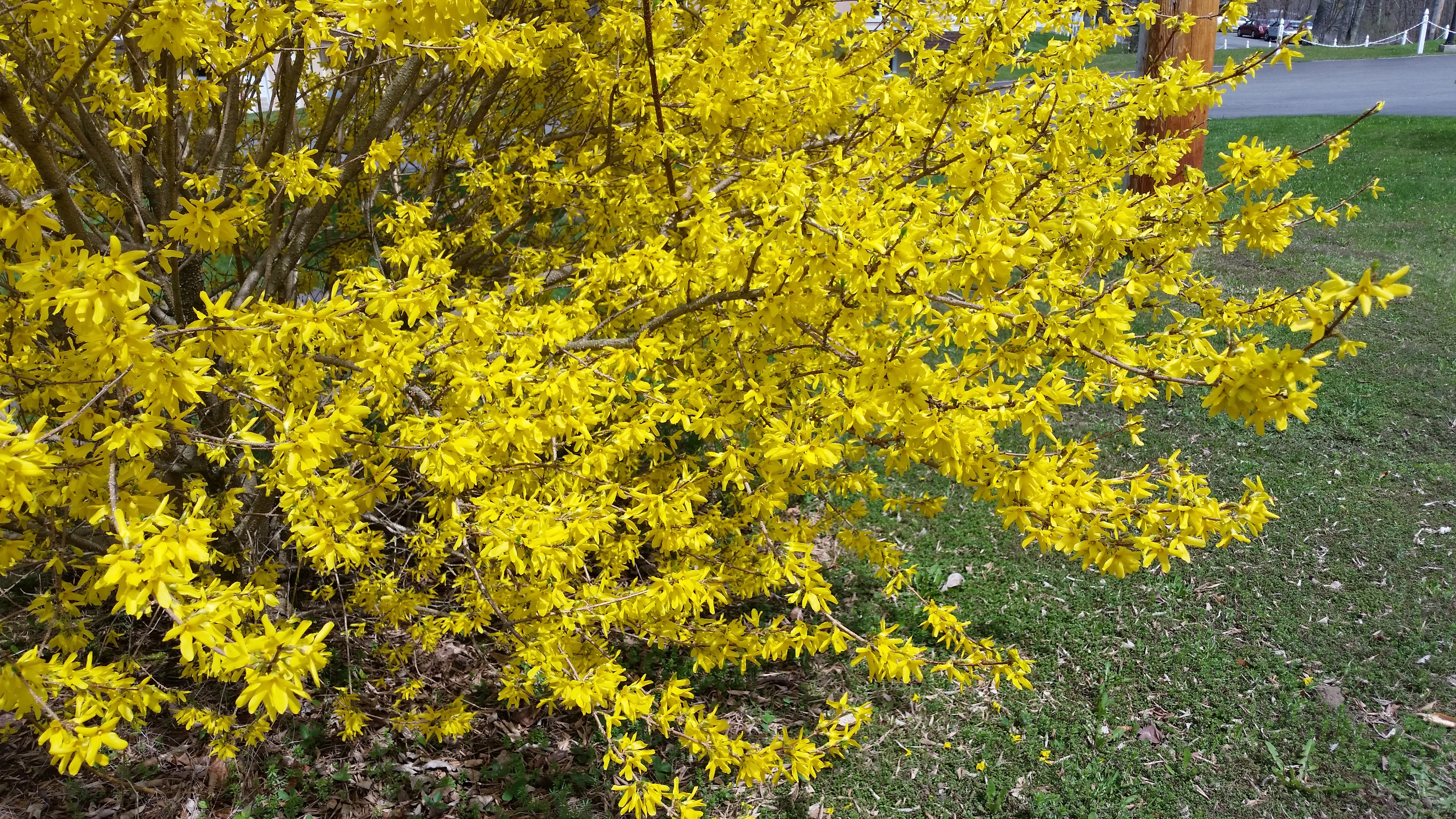 When I was a young child Easter was an exciting time. I got to wear new clothes and a big straw hat. I remember one with a pretty grosgrain ribbon around it. The ribbon hung down in the back and in my memory it is blue. At Christmas and Easter we attended my father’s church as well as my mother’s. I liked his best. Not only did they sing hymns but also at Easter geraniums lined the church driveway for children like me to take home after the service. Then we would go to a relative’s for lunch and there would be candy after dessert. My mother did not approve of candy so we seldom had it at home unless someone brought it. That was my Easter celebration.
 While I am quite fond of them now, as a child I disliked eggs intensely. I vividly remember sitting in front of an eggcup containing a boiled egg and staring at the hateful thing as it grew cold. The rule was that I couldn’t get up from the table until I had finished whatever meal I was supposed to be eating. Sadly, I hated to sit still and perhaps would have been termed hyperactive if such a term had existed then. However, sooner or later I suppose I must have swallowed the contents of the eggcup and been released from my chair. The eating of it is not recorded in my memory.
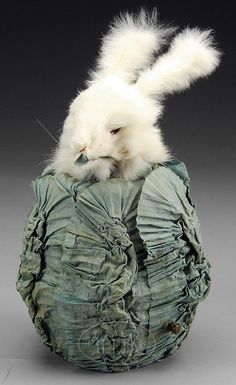 On Easter my family usually went to dinner with Great Aunt Alice. Until my sister was born when I was 8, I was always the only child present. Aunt Alice had several toys she would bring out to amuse me. One was a little truck loaded with colorful blocks. They had letters, numbers and pictures on them. Even now I can see that red and yellow toy with a string to pull it by. The bed of the truck was loaded with the blocks, and I was always careful to put them back when it was time to go upstairs to dinner.
 Pujakins