Heartwings says, “‘Waste not, want not,’ is a good rule to live by.”
I had to throw way some leftovers recently, something I dislike doing. However, my current refrigerator is somewhat low to the ground, and they had vanished into its depths. I once had the freezer part on the bottom. This made it so much easier to deal with leftovers. They seem to land on my current refrigerator’s bottom shelf by default.
This may be because the other shelves in the fridge are already filled with our many jars of condiments, sauces, dressings, and of course food intended for meals. This makes it imperative to keep an eye on what’s down there. I try hard, though apparently not hard enough as I recently discovered.
In search of the remains of a turkey dinner I hoped to serve in another form I discovered two ancient (more than several weeks old) boxes of restaurant leftovers that I didn’t feel were safe to consume. Often, I am happy to use up older leftovers if I am going to cook them for a while before we eat them. I’m very careful that way. If I can help it however, I don’t like to waste food. Unfortunately, these contents of these two containers were really ancient.
Usually, I don’t leave my leftovers in the restaurant boxes, either. The exception would be if they were tightly sealed in strong plastic. Even so, I can keep track by remembering when we went to the restaurant they were from. Prices have gone up, so we don’t eat out as often as we used to. All that aside, the holidays often produce left over food; sometimes it’s difficult to know what to do with it. I know many use microwaves to reheat. I don’t like to. I’d rather be creative.
Here are a few suggestions to use instead of a microwave, that add nutrition and extra flavor: Omelets are tastier when you include bits of meat and vegetables. Add grated cheese for extra zest, or not as you choose. Herbs like thyme and ground garlic are also good to perk up flavor. Home fried potatoes are happy to mix with these ingredients.
Try making patties with leftover mashed potato; add herbs and/or cheese. Let top and bottom brown for great taste. Before heating leftover pasta or rice dishes, add water instead of olive oil, coconut oil or butter to frying pan and let it come to a boil. Then add ingredients and reduce heat. There will be less calories too. Add with it any additional cooked vegetables on hand. This is a great way to use your small quantities of anything and thrifty too.
You may wish to work with compatible dishes from individual meals so they combine better. That makes for simpler, easier leftover dishes. I am always happy to have items I can combine in my fridge for fast, tasty meals. Adding chopped onions sauteed in butter, perks up flavor every time. Here’s a secret: Chop sweet onions and you might find you don’t suffer from onion tears.
May you find creative ways to use your leftovers.
Blessings and best regards, Tasha Halpert
PS If you have creative recipes for leftovers to share, please do. I am always happy to learn and to discover new recipes. Comments, questions, and suggestions are always welcome. Write me at tashahal@gmail.com, and for more Love Notes, visit my blog and/or sign up at http://tashasperspective.com.
 My mother wasn’t one for desserts and she didn’t like to bake, so if there was something to be made in the oven, she occasionally enlisted my help. I was also allowed in the kitchen of a friend who visited her grandmother in the summer. Her grandmother had a cook who was kind enough to let us mess up her tidy domain, so my friend and I spent happy hours making brownies.
 The phrase “waste not want not,” sounds as though it might have come from the Bible, however it did not. It also sounds like old fashioned New England thrift. My mother being German, definitely learned the concept from her experience. I have found it useful in trying to utilize whatever food I might have left over from any meal. In my book, wasting food is not to be done.
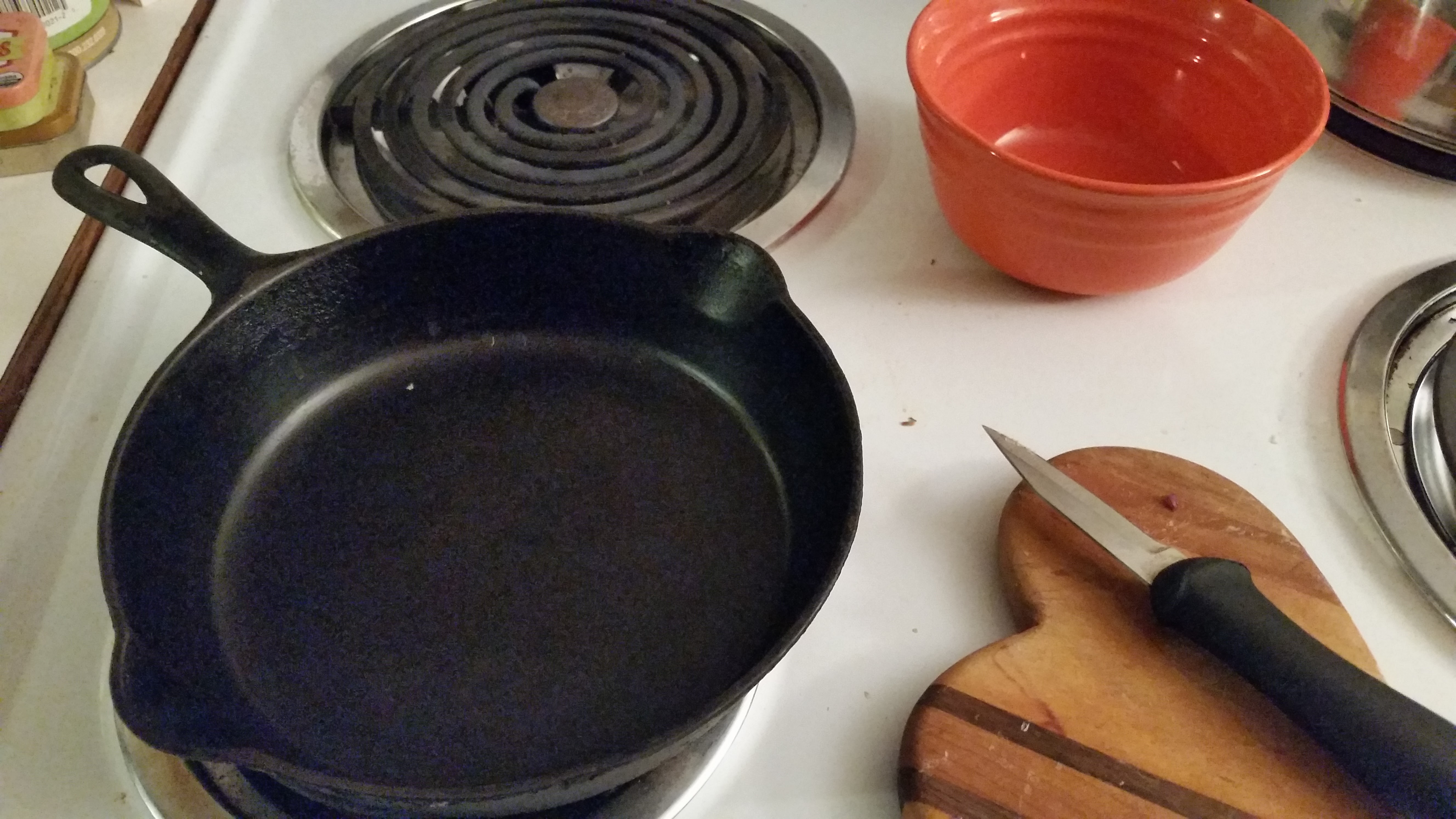 There was an advertising phrase that went, “Nothing says loving like something from the oven…” however, I think the advertising agency had it backward. It’s the love in the preparation that does this. The oven only helps, as do the ingredients, preferably as clean and fresh as possible. Love helps us to choose them, as well as to guide the utensils used in the preparation. Furthermore, the focus of the mind is an important ingredient as well. If I am angry or upset when I am preparing food, it could affect the way it tastes as well as the way it is digested. Though I can’t prove it, it’s my belief that thoughts and feelings can be powerful in their effect on food.
 Pujakins