Gifts of the Moment by Tasha Halpert

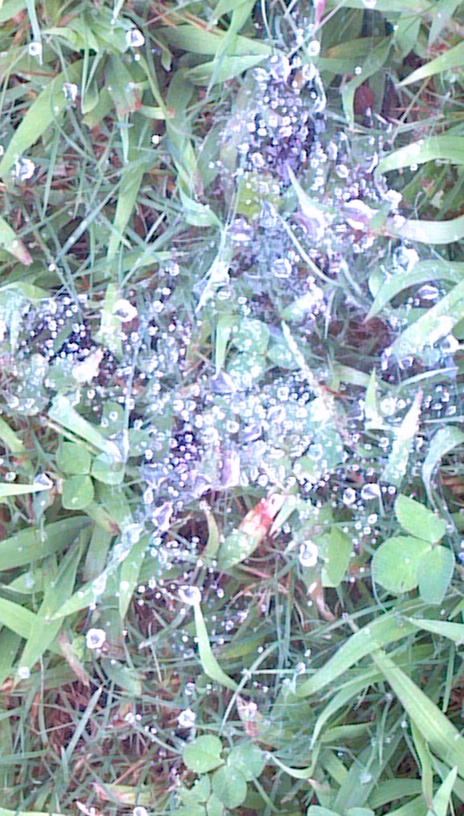
Drops caught 2 If I hadn’t been paying attention to my surroundings, I wouldn’t have noticed it. I was standing at the supermarket counter choosing some fish for the chowder I was planning to make for later in the week when I saw the lobster on the low shelf in front of me. It had already been cooked, packaged and priced. Stephen loves lobster and this week it was on sale. Since I had nothing special planned for supper I immediately thought how the lobster would make a fine treat for him. Happy to be able to provide him with this nice surprise I picked it up and put it in my wagon.

I had other groceries pick up and so I continued on my way, collecting them and checking off the items on my list. When I finally finished, I made my way to the checkout to pay for my groceries. How glad I was that just at that moment I had been aware of the lobster and seen it waiting there for me. If my mind had been wandering and my thoughts elsewhere I might easily have missed that opportunity to provide us with an extra helping of joy. Bringing someone you love a special treat constitutes a treat for the giver as well as the person receiving it, a win/win situation.

I have noticed that when I focus on where I am and what I am doing I often see things that represent a kind of gift for me. An interesting cloud formation, flowers growing by the wayside on my morning walk, the first touches of color in the trees as I drive on the highway, a snatch of song that I enjoy playing in a store as I walk in, all these and more are little presents I receive when I am aware in the moment.

However, the gifts that lie within any given point in time are only available to me when my eyes are looking around to see and notice them. If my mind is occupied with thoughts or speculations, with worries or apprehensions there is no way I can pay attention to what is around me. At that point my eyes are figuratively turned inward, paying attention to whatever I am thinking of, not looking outward at what is there. I remember once when I spoke to someone about the lovely colors of that year’s fall, she looked at me sadly and confessed that she had been so lost in her thoughts and concerns she had never noticed.

Meditating regularly has certainly helped me stay mentally focused. Observing my thoughts as I learned to do in meditation gives me the option of letting them flow as they will or of refocusing my attention on where I am and what I am doing. Sometimes it is perfectly all right to let my mind wander about. As long as I am not driving or doing something else requiring my full attention my mind can do what it pleases. Even so, I find that keeping at least some of my attention on the present moment can often pay off in gifts.
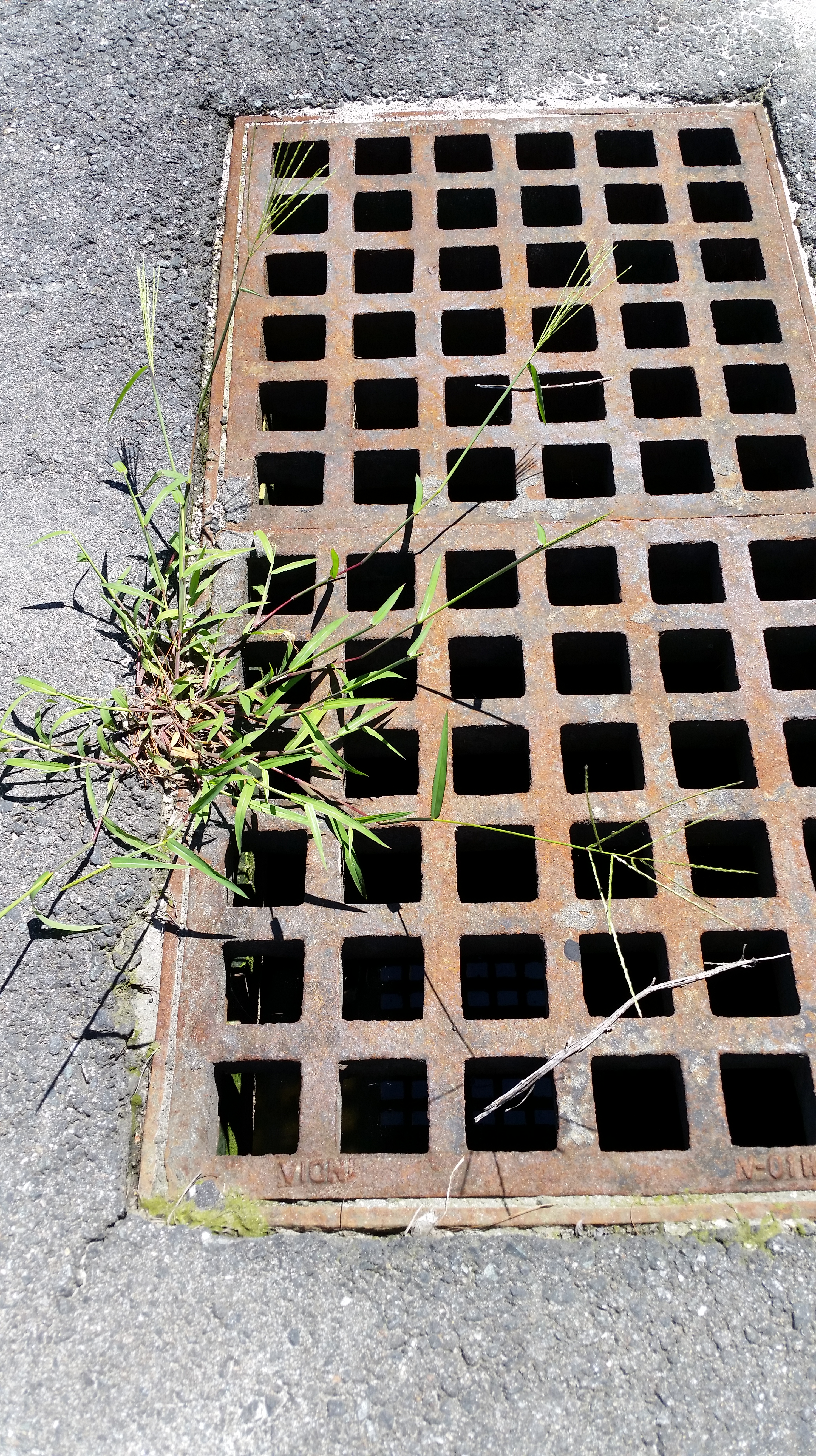
The Persistence of Nature, by Tasha Halpert

Weeds and GridWhen I was growing up my father was an active member of our local Horticultural society. At the age of twelve I used to go to the meetings with him and learn about growing trees, shrubs and plants. In addition every year there was a Horticultural show late in the summer. There was a children’s division with cash prizes. This was exciting to me. One in particular that interested me was a prize given for gathering and identifying wildflowers.

Although I had a garden, it held nothing prizewinning. However the wildflower competition was an easy one because we lived amidst a great variety of them. Each year I scoured the surrounding fields and woods for the 25 flowers to be gathered and identified. Most other young people who entered the show were content to do something easier, so I had no competition and usually won first prize. As a result I gained a lifelong interest in wild flowers and to this day remember a lot of their names and even their properties, for my interest grew into a study of herbs as well.

My eye is often drawn to flowers growing in the wild. Recently I was traveling down 495 when a lone Brown Eyed Susan waved at me from the concrete divider. As I drove by the dark center surrounded with bright yellow petals seemed to wink. I wanted to stop and take its picture however the traffic on 495 is pretty steady and to pull over to the center srip in the midst of a busy stream of cars is to court an accident.

A seed had taken advantage of whatever soil had collected in a crack along the edge and sprouted this brave, solitary flower. Nature is opportunistic. Wherever enough grains of soil fill a crack in a manmade surface, Nature plants any available seeds. Openings within the pavement host all kinds of new life. Abandoned buildings and properties are soon festooned with green decorations eagerly seeking a place to grow.

There is a saying, “Nature abhors a vacuum.” Certainly if the gardener is not vigilant, weeds fill up any empty space in a garden. Yet this also works to keep soil from blowing away. Poison ivy may be the bane of New England beaches, however it is one of the reasons the sand above the high water mark does not blow away. When the early settlers plowed up the prairies they lost the important topsoil that the grasses had kept in place.

I love the way Nature fills up empty spaces with greenery and flowers. Recently I noticed an evergreen hedge that had acquired a host of little white flowers courtesy of the bindweed that had decided to take root there. The small morning glory look-a-likes decorated the bland green hedge in a most complementary fashion. I rejoice that weeds are flowers too. As I pass by them, I enjoy the summer’s wayside offerings, and I thank Nature for its persistence.

The Outdoors Is My Garden

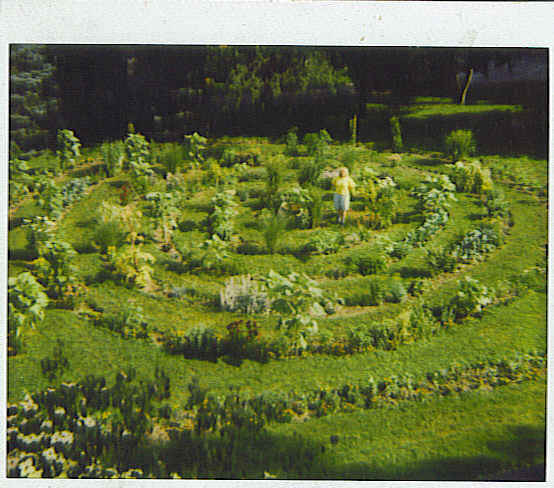
        Butter and eggs in yellow vase 2 I grew up with gardening parents. My dad, a horticulturalist grew lovely flowers. My mother, far more practical grew vegetables. I have grown both along with herbs and at one time I had a large lovely spiral garden that was a delight to show visitors and quite arduous to take care of. However, in those days I didn’t have a computer and I didn’t spend as much time writing, either.

          One of the good things about gardening is the exercise you get from doing it; another benefit is the fresh air from the time out of doors. However, where Stephen and I live now there are nice places to walk and people have lovely gardens we can look at. It is also possible to find wild flowers growing by the side of the road. This delights me because I have always loved the flowers that nature provides for free.

          Stephen and I were out for a walk recently when I spotted the little orange and yellow wildflowers I’ve known from my childhood as Butter and Eggs. Joyfully I gathered a small bunch to take home and put into a vase. Then I looked them up both on the Internet and in my own reference books: their Latin name is Linaria vulgaris. They were originally brought over from Europe centuries ago.

          I’ve often wondered whether snapdragons might not have been developed from these similar looking flowers the way carrots were developed from what we know as Queen Anne’s Lace. However there seem to be no connection beyond the resemblance. Bumblebees are one of their chief pollinators because of the tight construction of the flower.

          Another name for it is Toadflax. At one time it was thought these flowers would attract toads to the garden. Gardening and herbal lore tell us that what resembles a thing might be connected with it in some way. In the light of this information, it made sense when I read that the flower was called Toadflax because the blossoms resembled tiny toads.

          In addition to eating many harmful insects toads delight in dining on slugs. Not only are they far cheaper than noxious chemicals, they are much better for the garden as well as for the gardener than any poisonous insecticides. Also the flowers and other parts of the plant have been used as an herbal insecticide. Taken together with the insect killing properties of toads the name Toadflax seems even more appropriate.

          Although I have been a gardener for most of my adult life I am currently without a garden. People often ask if I miss it. To some extent I do, however, the many hours I once spent weeding and pruning can now be used for my writing and my rather large email correspondence. I can also console myself with this thought: The wildflowers that grow by the side of the road are available to the eye as well as for picking. Whether I gather them or just leave them there to grow I am glad, because all they require of me is my admiration.

Spring Mood Swings

It as been my experience that many, if not most people would like to believe that spring consists entirely of balmy breezes and blossoming trees, along with pleasant showers that bring May flowers. Perhaps this is only their wishful thinking, yet it seems to prevail among people with whom I have casual conversations. A few days of delightfully warm weather and they are sure that spring has arrived. Then when the weather turns cold, as it may for at least six or more of the weeks of Spring, they say that winter has returned. Yet nature knows best. The cycle of gradual warming and cooling allows for trees, plants and animals to partake in their awakening process at their natural speed.

What people may not realize is that were it to become summery all at once, the natural world of plants, animals and even people would not be equipped to deal with that enormous influx of energy. Try plunging your hands into hot water when they are severely chilled. It’s painful. Victims of frostbite must be warmed up gradually. Our bodies need to get used to the change of the seasons also. Spring foods like asparagus and rhubarb are good for that.

It would be nice to think of the season of spring as entirely warm and pleasant. Yet it actually begins on the Equinox with equal hours of light and darkness. The gradual lengthening of light awakens the life energy in plants and animals. The hours of daylight have been increasing perceptibly since the beginning of February. Now we have reached the actual balance between the hours of dark and light. From now on, light is in the ascendance.

Living as we do in a world where electricity can turn night into day, we may not be as aware of the nurturing quality of darkness. I find I enjoy the dark hours as much as I do the light. While I love the light and appreciate the lengthening days of spring, I also remember with pleasure the snugness of the long winter’s nights and the coziness of the covers when it is dark outside. Balance is good. The ups and downs of spring weather remind us of that. I am glad I live where the seasons bring an obvious change. As I drive I smile at the swelling, pinkish buds of the as yet bare trees as they reach toward the sun and its warmth.

The relief we feel when the sun warms us is surely increased by our natural reaction to the bitter cold. The grief we feel as skies cloud and chilly breezes blow reminds us of what we seem to have lost. Yet as a wise person has said, spring brings hope. Even during the days it seems to retreat we can maintain that hope by acknowledging how we much cherish the longer hours of daylight as well as the slow but steady increase in the pleasing warmth that swells the buds of the trees and urges the spring flowers open.

Spring flowers 2 for copy

Complaining? Not I

Image          Because I went to high school in Boston I lived with my grandmother during the week. She was kind but stern. While I don’t remember why I was upset, I have a strong memory of the following incident: One afternoon after school I stood in front of her, tears running down my face. I was hoping for sympathy. Instead, she looked at me stonily and said, “You are unhappy? Just keep crying and I’ll give you something to cry about.” Unbeknownst to me then she was teaching me something important. However I didn’t recognize this for some time to come.

          At the time I resented her attitude. She seemed mean and unkind. She came from the “chin up, bite the bullet” school of thought. She had been taught it was inappropriate to express one’s emotions and thought to help me learn the same discipline. It took me a long time to grow through this attitude in myself and learn the truth behind this way of thinking. Yes it is important to express my emotions, yet it is not a good idea to dwell on them.

          Fast forward to many years later. I was in my kitchen in Virginia. The stove didn’t cook anything the way I wanted it to. The oven had entirely

Complaining seems to make things worse. When I try to be positive about a situation, it appears to improve. For me, focusing on the negative is a slippery slope. However, although it is not easy to reverse the downward trend I have discovered it can be done.

          I began working with the situation I had rather than trying to change anything. I praised the stove I had insofar as I was able. I also called the landlord and asked him to replace the stove, which reluctantly he did. Did my stoves improve? Yes indeed they did. The next and subsequent stoves have all been an improvement on the one that helped me learn my lesson.

          I stopped complaining and began looking on the bright side. I have not always remembered this lesson yet when I do, I am well rewarded. ceased to work, and I felt very frustrated. “Why is this happening to me!” I cried. This is the third stove that has given me grief. A little light went on in my head. I had complained endlessly about my difficulties with the other two stoves. This one had been difficult from the beginning. Was there a connection?

          I may not immediately recognize when a unconscious negative attitude leads me in a downward direction. I need to keep an eye on my mind. However bringing up five children gave me the habit of listening to make sure everything was well. Now I listen to myself. Although it is healthy to complain, to gnaw on the bone of discontent may make things worse. While I may not be able to change a situation, I can learn to see it differently, become more flexible, or depending on the situation find compassion in my heart.

Garden and Gardener

I am a garden
with all a garden requires
I am a gardener caring for my garden.

In the silence of night
owl calls,
firefly flashes,
frog croaks.

The garden rests.

In the silence of the night
gardener sleeps, dreams,
wakes and returns to sleep.

The gardener rests.

Under the sun
garden and gardener
toil at their tasks.

Beneath the earth
worms squirm,
grubs grow,
ants tunnel.

Nature alternates between rest and growth.

Garden and gardener I am
rich with doing, redolent with rest,
dutiful my days, tranquil my nights.

Words and Photo by Tasha Halpert

Image

Ode To The Carrot

Aside

How wonderful the carrot, sturdy, sweet!
What would a cole slaw be without the bright
sweet orange gratings of this tasty root?
For salads carrot curls, and what beef stew
would be complete without it’s carrot chunks?
I cherish carrot soup on a winter’s day,
warming and nourishing to flesh and bone
and carrot juice for hunger and for thirst.

Descended from the lace of good Queen Ann,
the feathery fronds belie the sturdy root.
Who was it first discovered under ground
the part that nourishes juiced, cooked, or raw?
How glad I am that someone long ago
saw the potential in that pale white root
and turned a lovely flower growing wild
into a vegetable for daily fare.
From that pale slender small yet meaty pith
a patient gardener crafted over time
what we call carrots–orange, long and firm.

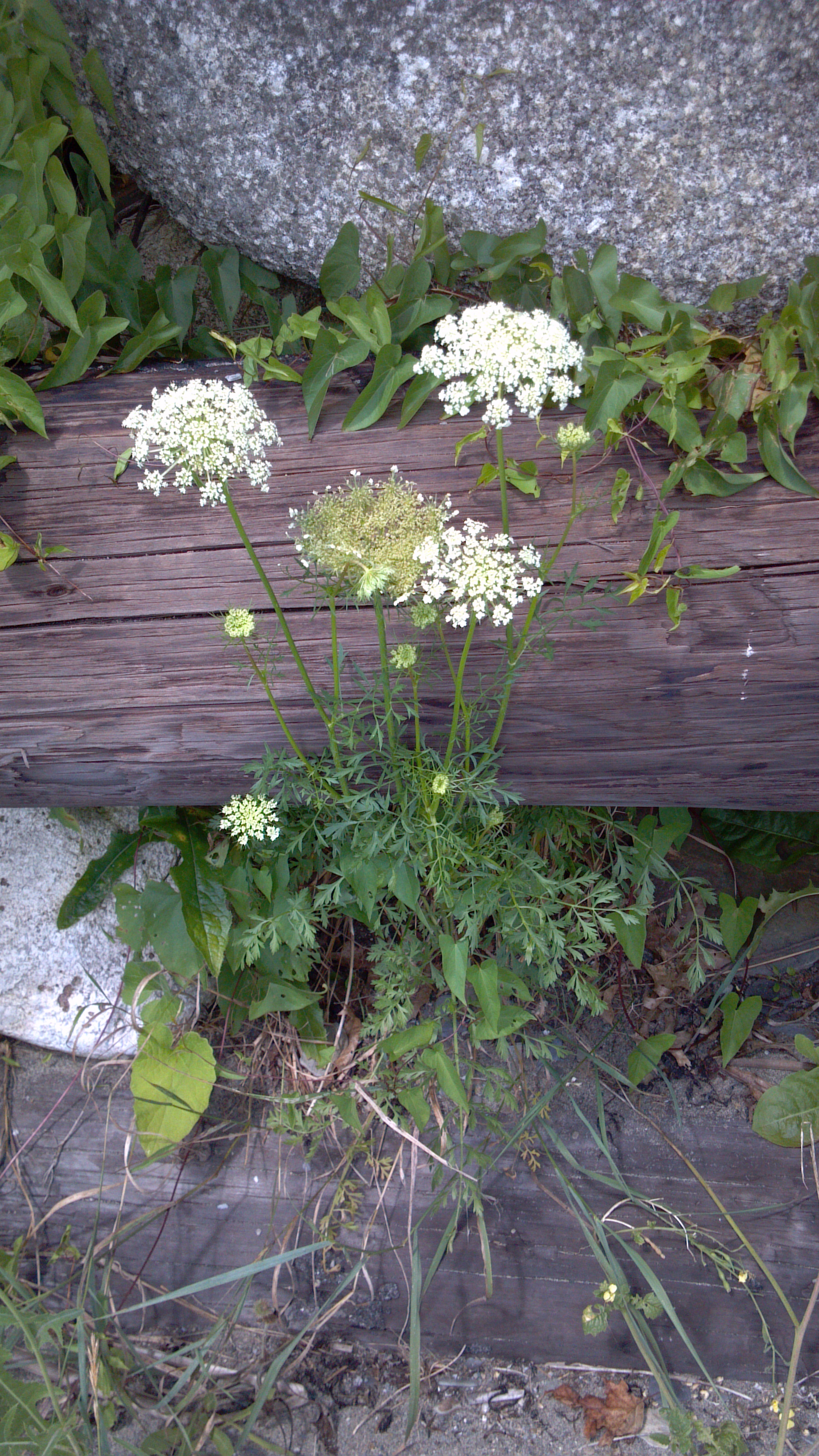
In summer Daucus Carrotis’ slender stalks
topped with a white umbrella-like bouquet,
nodding beside New England streets and roads,
delight the eye of many a passer by
whose gaze is for the flower, unaware
that they are seeing carrots true forbears.

Image and poem by Tasha Halpert

Image

Homely Beauty

There is beauty to be found where least expected:
in dried blossoms clinging to bare bushes,
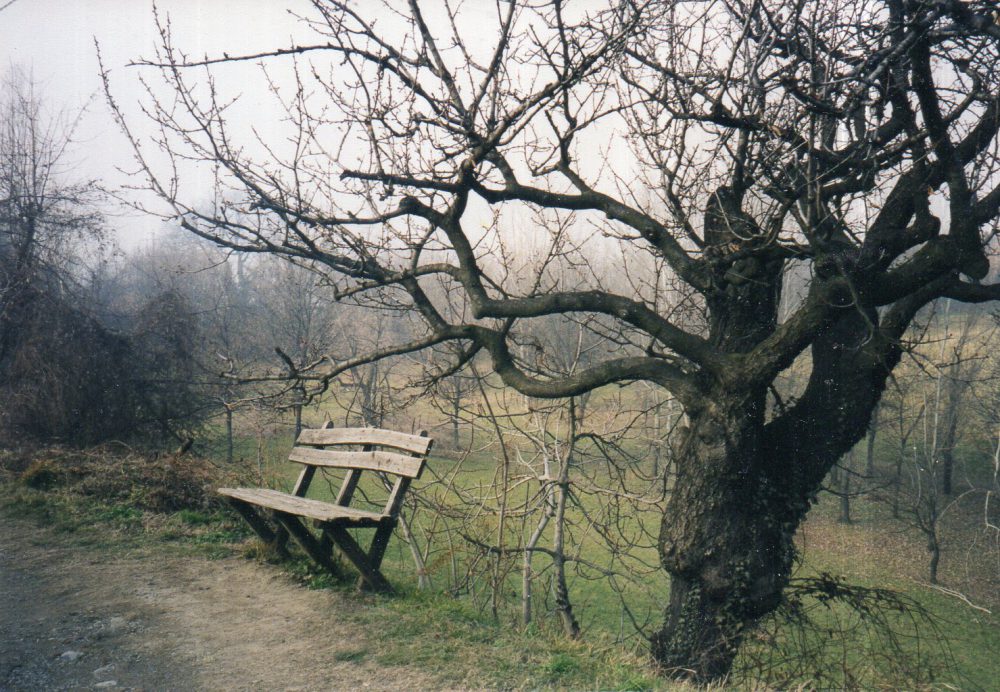
in the twisted intricacy of a naked tree
against an autumn sky slowly dimming.
Beauty smiles from wrinkled faces remembering
as old eyes gaze at small children and listen to their laughter.
I applaud the homely for its quiet elegance
its small soft voice bespeaking a unique and special loveliness
like a cracked pitcher that belonged to a great-aunt
or a rusted iron fence gleaming in the sunset glow.
These warm my heart and draw my eye.
I cherish beauty that goes unnoticed
amidst the flash and filigree that draws the crowd.
I want to embrace and caress the tattered and torn
that form patterns of valor against the starkness of harsh reality,
precious beauty, quiet, shy, and velvet rich to the stroking hand.

Photo and Poem Copyright Tasha Halpert 2013

Image

Summer Solstice

From high in the sky
sun sinks slowly,
lengthening afternoons and evenings.
Time seems suspended.
Children’s days are long
and full of freedom.
For me, the dwindling has begun.
In ripening fruit
in scent of sun warmed grasses
in insect choruses
the beginning of the end sings

Tasha HalpertImage

Springing Open

Brilliant forsythia fingers

fling their exuberance

into the bright blue air.

Red budding twigs

holler “here I am, shine on me.”

Forsythia sunshine

fills my eyes, Maple flowers

jingle, “Welcome pollinating friends.”

Spring buds open everywhere

blossoming their way into summer.

By Tasha Halpert

Image