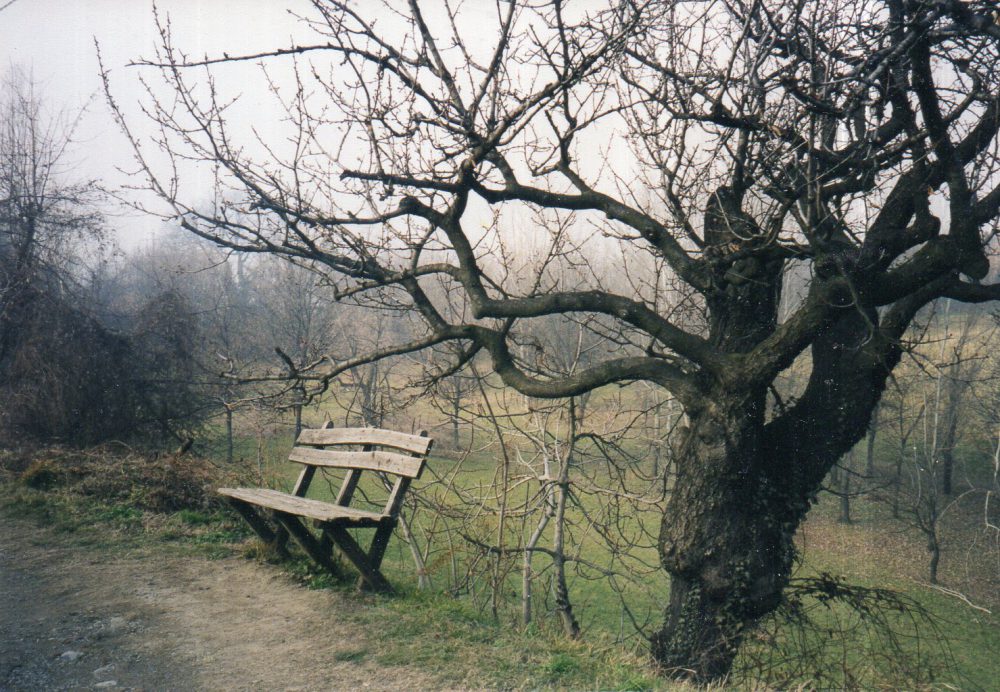
Heartwings says, “When all that can be done is listen, we can also envision light and healing for our suffering friends.”
In just this past week we have had news of tragic circumstances in the lives of several dear friends. It is important to know what is happening to our dear ones, and it also inspires the desire to express concern in some way. However, despite our well-meaning intentions, all too often much of what we might say or offer by way of response is either not helpful or worse, inappropriate. This may spring from our own personal reactions and we may seldom stop and think ahead about what we offer by way of comforting words.
When I was a child, most people I knew did not speak of their illnesses. Death and dying were pretty much taboo. I remember going to my first funeral when I was twelve. I wore stockings, or hose, with a garter belt, and patent leather mary janes. I remember I felt quite grown up. What I don’t remember is whose funeral it was. Certainly, it wasn’t a member of my immediate family.
I am blessed with strong ancestors, especially the females. I grew up with vital elders. I wonder what they would think of today’s attitudes. Our feelings around fatal illnesses are often tested, these days, by people who freely share their personal health situations. When we hear of the sad and inevitable diagnoses, the result is we fear for our friends. we feel his or her pain and at the same time, imagine what it would be like to be in their shoes and shudder. It is difficult and maybe even impossible to take ourselves out of the situation and into a state of detached compassion.
That phrase sounds like an oxymoron. Isn’t compassion a state of caring? And the act of caring sounds as if it emanates from a personal place. It can, and often does. However, it can also be done from a place of detachment. This requires real attention to what is going on within us, what has been triggered by the circumstance.
When I am able to take myself out of the situation, I let go of all my opinions and suppositions, and instead project love and light around that person. In this way, I am not focused on how I feel about their situation, instead I am focused on unconditional love. Thus, I have a clear path to genuine compassion, clean of shoulds and oughts. I can put all my effort into the projection of healing energy. I am not expressing my ideas or saying what I would do if I were they.
Another aspect of sending healing energy is to make sure to put it in a positive, affirmative way. I remember the words of one of my teachers. “Be mindful who it is you want to have praying for you,” she told me. She said we must phrase our prayers to affirm healing and avoid negative phrasing. Words can be completely avoided. My usual prayer invokes and envisions bright, warm light surrounding the individual for whom I am praying.
May you be of comfort when called upon to be.
Blessings and best regards, Tasha Halpert
PS If you have any suggestions for columns or issues to address, I’d love to hear them. Your responses are important to me, thanks for whatever you bring me.
Write me at tashahal@gmail.com or hit reply. You can sign up for my blog here
 In St. Paul’s well known Letter to the Corinthians, Book 1, Chapter 13, he speaks of the nature of true charity. He lists ways to give and to each he adds “and have not true charity” (to paraphrase) “what I do is hollow and meaningless.” His description of true charity is the equivalent of a definition of unconditional love. The giving of love in unconditional ways means we do not expect anything back from our giving, nor do we make any judgments about those to whom we are giving.
 One of the more famous of the poems Elizabeth Barrett Browning wrote to her Robert as they fell in love begins, “How do I love thee? Let me count the ways.” It has always been a favorite of mine. I even set it to music and played it on my guitar in the days I sang in coffee houses and for parties. Love can be given in many ways, and all of them are valid and special because each person has his or her own way of giving love. When I pay attention and see how love is given, it is a wonderful lesson to be cherished. Watch very small children; toddlers give us wonderful examples of the giving of unconditional love.
 Once upon a time I wrote a poem about the eyes of love. It began: “consider with the eyes of love.” Though at that time I hadn’t yet learned about the difference that the qualifying word unconditional makes, what I meant by love in the poem actually was unconditional love. My parents and grandmother loved me very much. They were also quite critical of me, as well as of others they loved and otherwise thought well of. Unconditional love means just that—no criticism, no conditions on the love. It also to me means looking at others as well as at myself without a disapproving attitude.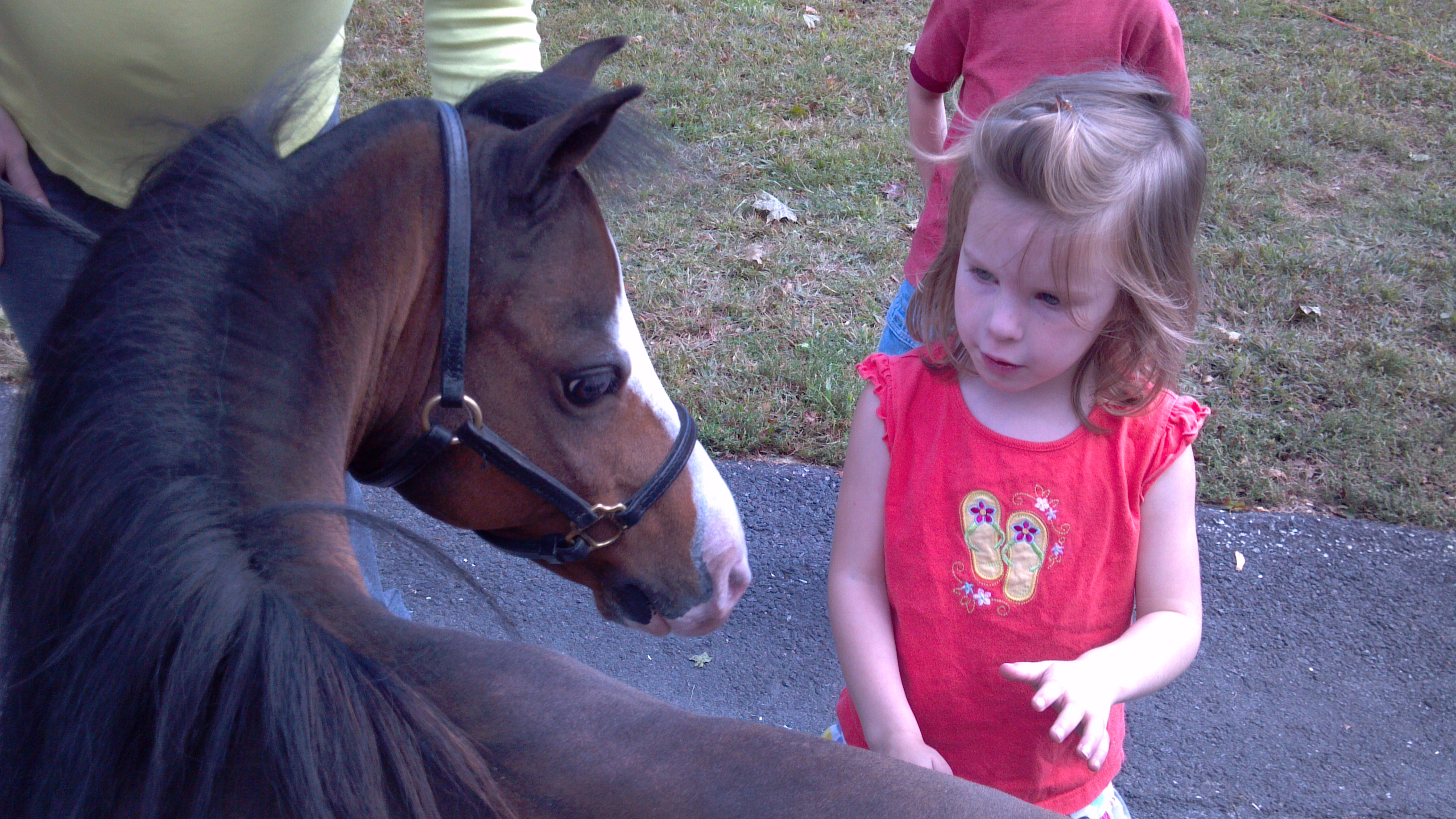
 Pujakins