 Because I was very different in my interests as well as my life circumstances from that of many of my classmates I was badly bullied in grade school. However what was worse was that I had no good way to respond to my classmates’ unkind behavior. It wasn’t until I discovered meditation that I acquired a way of controlling not only my reactions and responses but also of avoiding the potential complications of thoughtlessly spontaneous and perhaps provocative words and actions.
As I grew in my ability to see what was in my mind and/or heart before I made things worse for myself, I also discovered ways to make my life much happier and less complicated by negative thoughts and emotions. Some believe that meditation is a form or religion or at least connected with it. However it is actually a form of exercise for the mind. As physical exercise preserves the body, so meditation practice helps to preserve the mind.
Is my glass half full or half empty? Believe it or not, that depends on the nature of the thoughts I have concerning both the glass and what is in it. Am I looking with feelings or thoughts of fear of emptiness? Am I anticipating or being grateful for what is in the (metaphorical) glass? My days go better when I am aware of what is going on within me.
Since nearly fifty years ago when I began practicing meditation, I have become able to be much more aware of my thoughts and feelings. It is a great help to my ability to remain calm and aware during difficult circumstances. I’m still working to remain conscious of my inner processes, and I expect to do so for the rest of my life. Working on the mind is like doing scales on the piano. A good musician must keep on practicing.
When I find myself dreading an activity or event, I can remind myself that fear is False Evidence Appearing Real. My “glass of hope” will then appear to me to be half full rather than half empty. When I feel a sense of joy as well as of gratitude concerning whatever might be approaching, I will have a “glass half full” of optimistic feelings. This approach has the effect of helping me to get the best from whatever does happen, even if that differs from my expectations. The same is true concerning what someone might be saying to me: I can better monitor my responses and reactions.
When I am mindful—aware of what is going on in my mind and heart, I have more control over what I do or say next. If I am able to anticipate my words or my inner reactions to what is happening or to what someone is saying, I am better able to control them. Thus I can to avoid potential mistakes as well as difficulties. In addition, when I am able to take advantage of my perceptions, I may ward off the far larger problems that might otherwise evolve were I not able to see clearly or to be prepared with positive words or actions.
 Dictionary definitions of “cherish” tell us it comes from words that imply caring and holding dear. The French word “cher,” or “cherie” meaning dear one is often used as a term of endearment, especially in Europe. That and those we cherish are what and whom we hold in our hearts as precious. Keeping, implying more than just a momentary affection, is another dictionary definition of cherishing. I was thinking of this as I contemplated Father’s Day and the memories I cherish of my late dad.
 Though I am fonder of some than of others, for me every season has its unique blessings. Autumn has always been a favorite of mine because I like the crispness of the air and the vivid colors that paint the scenery. However, the cycle of the seasons produces different feelings in everyone and we all have our favorites. It may be that as a poet I am more sensitive to or pay more attention to the change of the seasons because I feel it so keenly. Winter for me is a time for rest and often for extra sleep. The dark hours encourage it. During the winter, like the bare branched trees and the hibernating creatures, I am less active and more inclined to quieter occupations.
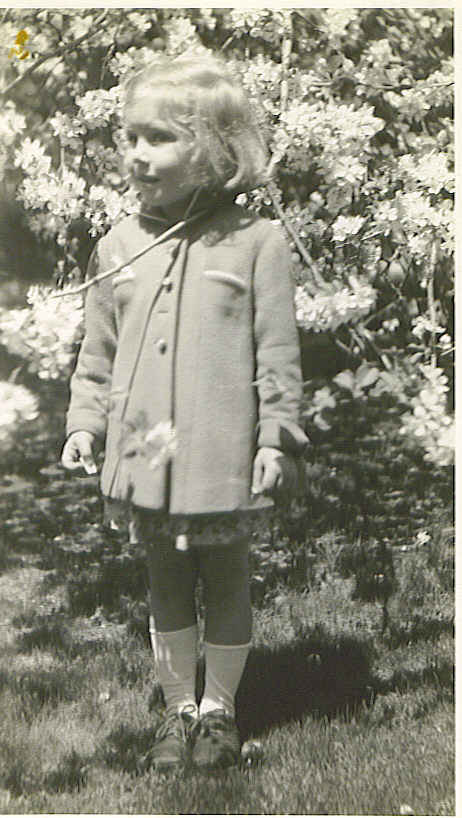 and death or even disaster was to be spoken of, someone would say, “Not in front of the children.” The subject would be changed or I would be told to go off and play so the adults could continue their discussion. Yet because we had animals, death and change were part of my life. I witnessed the drowning of baby ducks and the demise of baby chicks. It was hard when a dog got into my pet rabbits’ pen and maimed them. My aunt’s gardener had to–as I was told, “put them out of their suffering.” Death was no stranger to my childhood. I am neither uncomfortable with it nor afraid of it.
 Children have little to no sense of the future, and they don’t have much of a past to remember. They live mainly in the present moment and that is why they might say, “I want it now!” because that is the time they know most about. For adults as they age, the past may tend to trail behind them like a long scarf. For them all too often it may be more vital than the actual present. The future may seem a vague, perhaps even fearful place to contemplate.
 I was fortunate to be able to go to a small private school located in an old mansion with lovely grounds. I had gone to the kindergarten in a small, separate building built especially for that purpose. Now I was excited to be in first grade, going to the real school with the big kids. Because the school was in a nearby town, and my dad needed our only automobile, my parents paid for me to ride with others in an old station wagon driven by the school custodian, Mr. Clews.
 The season of roses approaches. One of my delights is to drive with the windows open and smell the fragrant wild white roses that border the roadsides. I know they are an invasive species. I found that out when I planted some by our swimming pool and after a year found myself dodging them. Soon they loomed over the fence and began reaching out to snare unwary swimmers, not to mention encroaching on the neighboring raspberries.
 Pujakins