
Heartwings says, “Love is alive when another is cherished with loving acts.”
Earlier in this lifetime, at the age of eighteen, I met my children’s father. It was at a dance in February, a week or so before Valentines’ Day. I was quite taken by his good looks and ardent personality. Wanting to send him a valentine card, I checked out several stores that sold them. To my dismay, none of them had any valentines I liked.
In desperation, not wanting the day to pass without some token of affection, I purchased a humorous one. Unfortunately, I didn’t pay enough attention to what the comment said. My sending that card almost ended the relationship right then. After all these years I do not recall the words, only what happened. Fortunately, my new boyfriend and eventual first husband had a good sense of humor, and soon we both ended up laughing at my gaffe.
Long ago there was a tradition of snide or uncomplimentary valentine cards. Less popular today, they seem to be almost altogether a relic of the past. My home town of Grafton is close to Worcester, the city that claims to be the manufacturer of the first US Valentines. This was around 1800, and continued onward, the cards becoming more elaborate and even more popular when postal rates went down. Comic, or vinegar valentines such as the one I ended by using, were first created in 1870 by John McLoughlin a New York printer. They sold for a penny and were sometime called penny dreadfuls.
It is on Valentine’s Day that the second most cards are sent, Christmas being the first. At one time I made all my own valentines, and took great pleasure in doing so. When I was in grade school, we exchanged simple, inexpensive valentine cards, and often the teacher brought in cookies, often heart shaped or with frosting. My mother discouraged sugary sweets, so that was a treat to remember.
In this world of grim news and tragedy, love of every kind is even more important than ever, and a day devoted even principally to romantic love is special for its message. However, more than that, love is the answer to many situations and questions, especially “what can we do?”
Sending and receiving love of all kinds is vital to help change the world to a kinder, friendlier, more compassionate place to be. The more love that is expressed, accepting, filial, amorous, healing, and more, the less there will be of its opposite: judging, shunning, ignoring, disapproving, and more.
A wise teacher of mine once told me, “You don’t have to like everyone, but you must love everyone.” This may be difficult to do, especially with those individuals who seem to be bent on destructive behavior, yet one can feel compassion for them, one can wish them to wake up and change. Love, in whatever form is often the answer to many difficult situations, and a day devoted to it is a joy to the heart, whether or not any valentines are sent.
May you honor Valentines Day however you wish, with love.
Blessings and best regards, Tasha Halpert
PS Do you have any reminiscences to share or happy memories of valentines? I would love to hear about them. Readers’ email is a joy to my heart. Check out my blog at http://tashasperspective at Pujakins/from the poets heart. You can read past Love Notes there and sign up to receive them weekly in your in box.
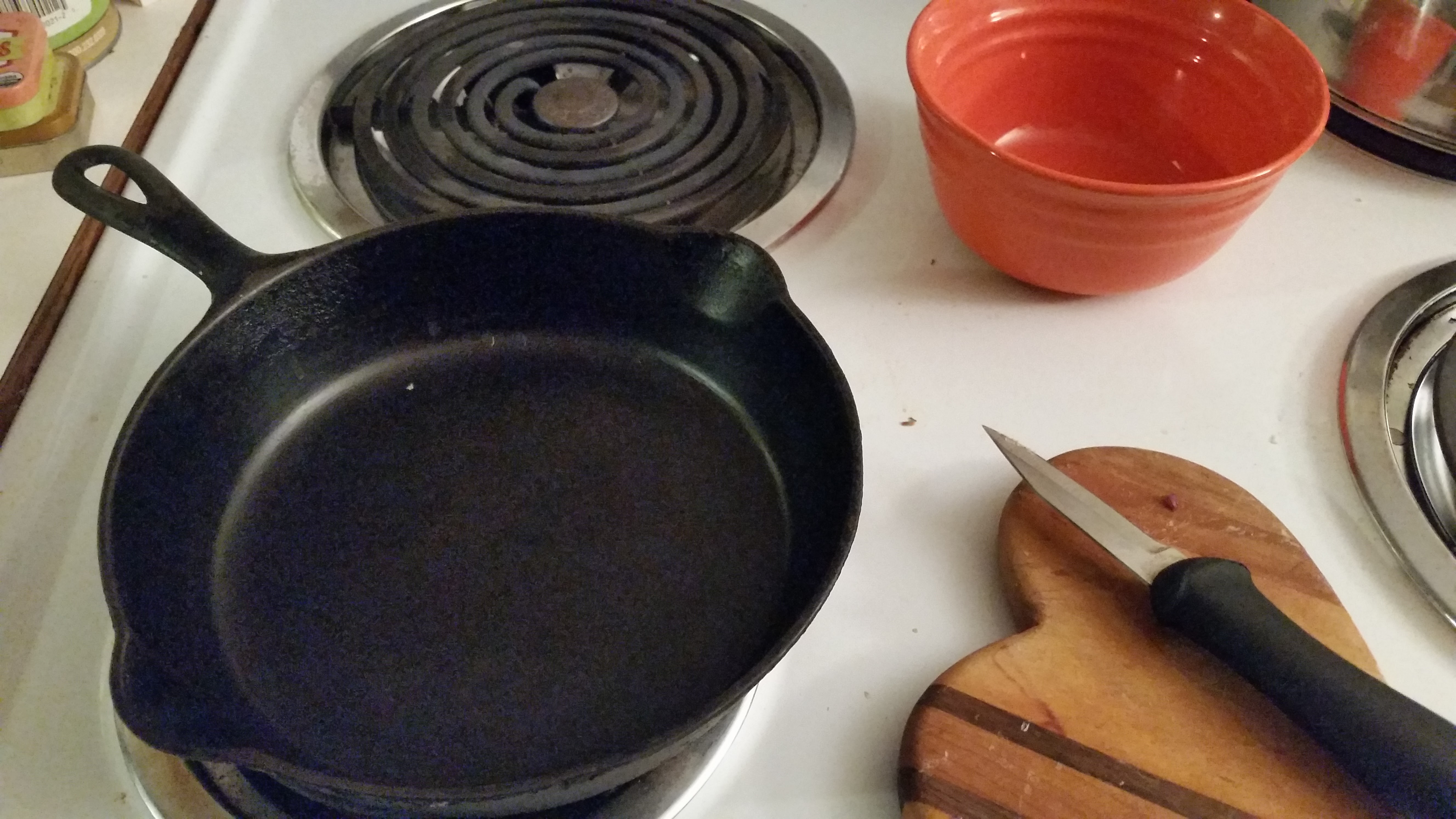 There was an advertising phrase that went, “Nothing says loving like something from the oven…” however, I think the advertising agency had it backward. It’s the love in the preparation that does this. The oven only helps, as do the ingredients, preferably as clean and fresh as possible. Love helps us to choose them, as well as to guide the utensils used in the preparation. Furthermore, the focus of the mind is an important ingredient as well. If I am angry or upset when I am preparing food, it could affect the way it tastes as well as the way it is digested. Though I can’t prove it, it’s my belief that thoughts and feelings can be powerful in their effect on food.
 When I was growing up it was the custom for valentine cards and gifts to be sent unsigned. I believe this was a tradition that dated back many years. The custom of celebrating Valentine’s Day goes back even further, to ancient Rome. It originated in a festival of the time called Lupercalia, after Lupercus, a nature god of the Romans who resembled the Greek god Pan. It also has roots relating to Juno Februata, honoring Goddess Juno. Then, young boys and girls drew lots to see who they would be partnered with for the year which began in March. The Christian church opted to keep the holiday and rename it, calling it after a saint who may or may not have existed.
 One of the more famous of the poems Elizabeth Barrett Browning wrote to her Robert as they fell in love begins, “How do I love thee? Let me count the ways.” It has always been a favorite of mine. I even set it to music and played it on my guitar in the days I sang in coffee houses and for parties. Love can be given in many ways, and all of them are valid and special because each person has his or her own way of giving love. When I pay attention and see how love is given, it is a wonderful lesson to be cherished. Watch very small children; toddlers give us wonderful examples of the giving of unconditional love.
 Dictionary definitions of “cherish” tell us it comes from words that imply caring and holding dear. The French word “cher,” or “cherie” meaning dear one is often used as a term of endearment, especially in Europe. That and those we cherish are what and whom we hold in our hearts as precious. Keeping, implying more than just a momentary affection, is another dictionary definition of cherishing. I was thinking of this as I contemplated Father’s Day and the memories I cherish of my late dad.
 Saint Valentine may or may not have actually existed. In fact, research reveals that there were not one but three Saint Valentines in all, with various details to their lives and deaths though all were martyred. The general information on the Internet indicates they were killed for performing marriages that had been forbidden by the Emperor Claudius the Cruel. It is also said that the Christian church took advantage of a popular pagan festival of that month, substituting the celebration of St. Valentine’s beheading.
 When I was growing up we usually said grace only at Thanksgiving, Christmas or on other very special occasions. I don’t remember any special discussion of gratitude in my family. God was often presented as a punitive figure, rather like my dad—as in or God will punish you for that, see if He doesn’t, and “Just wait until I tell your father what you did…” The church I grew up with emphasized being sorry for one’s sins and saying prayers for the protection and preservation of my family and myself. All that changed when I was in my mid thirties and I learned about the virtue of gratitude and its importance for a happy life.
 Pujakins