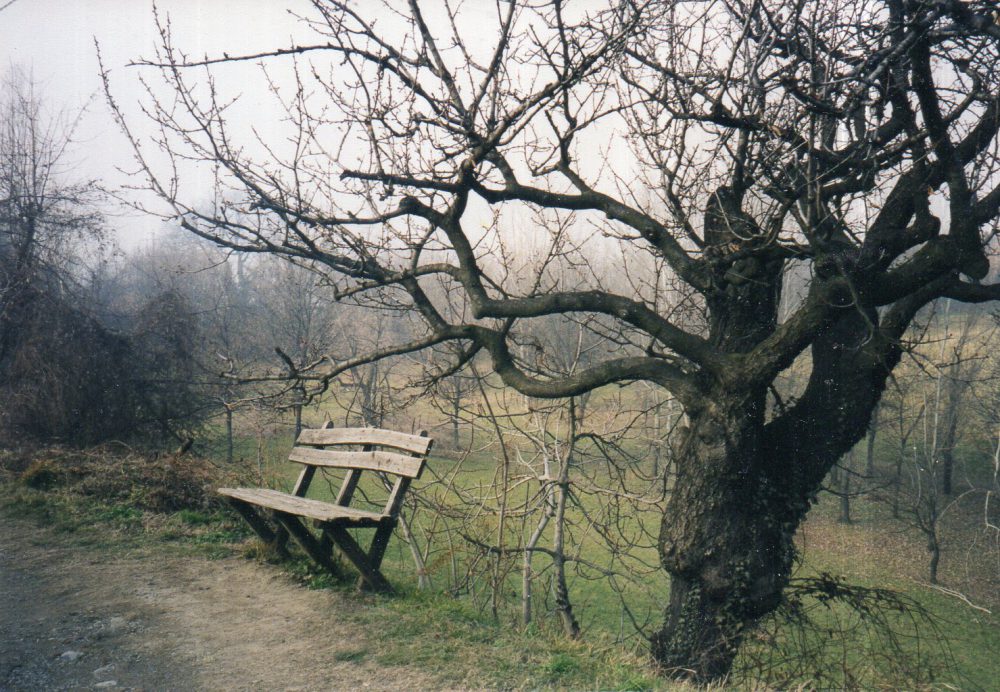
 When I was small I had a small cemetery. It was beside the church I had set up in a corner formed by a chimney and the wall of a small greenhouse. My family lived in the country. We had chickens and at one time some ducks. Baby chicks died and I buried them there as well as the other assorted creatures whose deaths went unmourned except by me. My acquaintance with death came early and in a natural way. This was of help to me later.
Laurens Van der Post, a South African author whose writing I respect, once wrote, “There are some things we never quite get over, however once in a while we go back, pat them on the head and say, ‘How are you doing old fellow?'” In this instance he was speaking about his time in a Japanese prison camp, where he was very cruelly treated. I have remembered this quote for many years. It has been very useful in reminding me not to dwell on past grief, yet not to suppress it. The recent unnecessary death of a poet friend helped me to recall this.
When anyone special o us dies, it reminds us of others of whom we are fond who have left us. Yet it is well to remember them with joy rather than regret. I will treasure in my heart my friend’s funny emails and his amazing adventures. He was a unique character with a huge, loving heart and a mission to try to help every woebegone that crossed his path whether or not they deserved to be helped. He also had a way of getting into trouble. As well he had several bad habits, one of which resulted in his premature death. Rather than blame him for his foolishness I will bless him for his courage in pursuing his life the way he wanted to—whether I thought it was a good way or not.
When you live a long life as I have, you do “lose” people that you have, for one reason or another, outlived. Whether these were members of your family or your friends, along with the current grief the sadness of their passing may easily come to mind. In addition, in our lives there are other instances of departure or absence: the job we didn’t take or did, the home we bought or didn’t, the gift we meant to give, even the words that went unsaid or the ones we wish we had not spoken. The grief engendered by regrets small and large can consume us if we let it.
It is important for us to grieve and let go. It is vital not to carry these burdens any longer than necessary. There is a Zen story of two monks who came to a stream where they found a woman who was afraid to cross it. One monk picked her up, carried her over the stream and set her down. As they continued, his brother monk began to berate him for touching a woman’s body. Finally the first monk turned to his friend and said, “I set the woman down a while ago. You are still carrying her.” There is no need to carry our grief endlessly. We can let it be on a shelf in our memories and then once in a while, go back and pat it, and say, “How are you doing, old friend?” And then go on to find a happy memory to continue on with.
 I disliked it intensely when as a child I was ill and had to stay home from school. It was no fun whatsoever. My mother did not believe in coddling sick people. She thought it would make them malinger. Perhaps she thought if I was bored I’d get better sooner and want to get back to school. She did not treat me with sympathy. My entertainment consisted of listening to soap operas on the radio and reading if I was allowed to. When I had the measles I spent days in a darkened room with nothing to do. It was said reading would damage my eyes
 A friend of mine once used this metaphor to describe how she saw my approach to life: “You put me in mind of a young child running and running to get her kite up in the air instead of waiting for the wind.” To begin with, that was how I approached my healing process. When I first came home from the hospital I was determined to get mobile and active as soon as I could. I rushed myself by doing too much. This resulted in a big setback that took me some days from which to recover. Now that I am feeling better and having less pain, I am very careful to monitor my efforts and to pay attention to the amount I attempt to accomplish. I’m getting used to waiting for the wind.
 The appointment for my hip surgery was made more than three months ago. Now its time has come. While I feel positive about the outcome of the experience, I also feel a tiny bit apprehensive. Everything I have heard about the surgery from those who have had it done has been good. I even ran into someone who had the procedure done by the same doctor I have and she said hers had gone wonderfully and she was very pleased.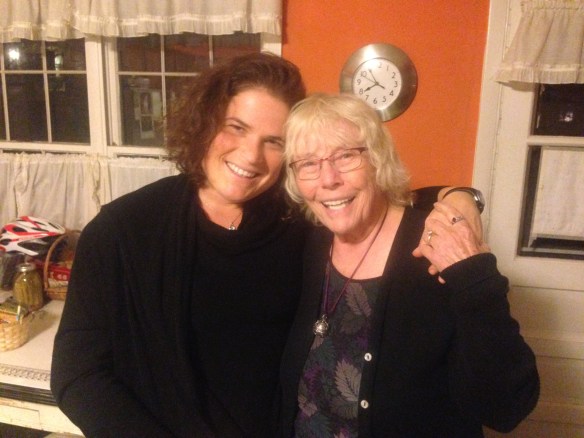

 The single metal hour hand lay on the table in front of me. Stephen and I had been playing with an old clock in an effort to get it to work. However, once the hands become loosened from the mechanism that counts off the minutes, even if it still ticks, the clock is effectively broken. We took the clock apart and kept the face to use for an art project. Gazing at the pointed hour hand I wished I could think of a way to put it to use. Finally I gave it to Stephen, thinking he might be able to make use of it in a collage.
 Kittens grow up and become cats. They learn to use their claws on the furniture, and then they reach a point where if we do not pay attention, they may produce more kittens. Snow falls, gets turned by snowmen by eager, mittened fingers, and then when the sun comes out and the cold retreats, they melt. I wash the dishes, polish up the burners on the stove and sigh, remembering that there will soon be more dishes to wash and something will fall on the cooking surface and smell of burning if I don’t notice it before I begin to cook again.
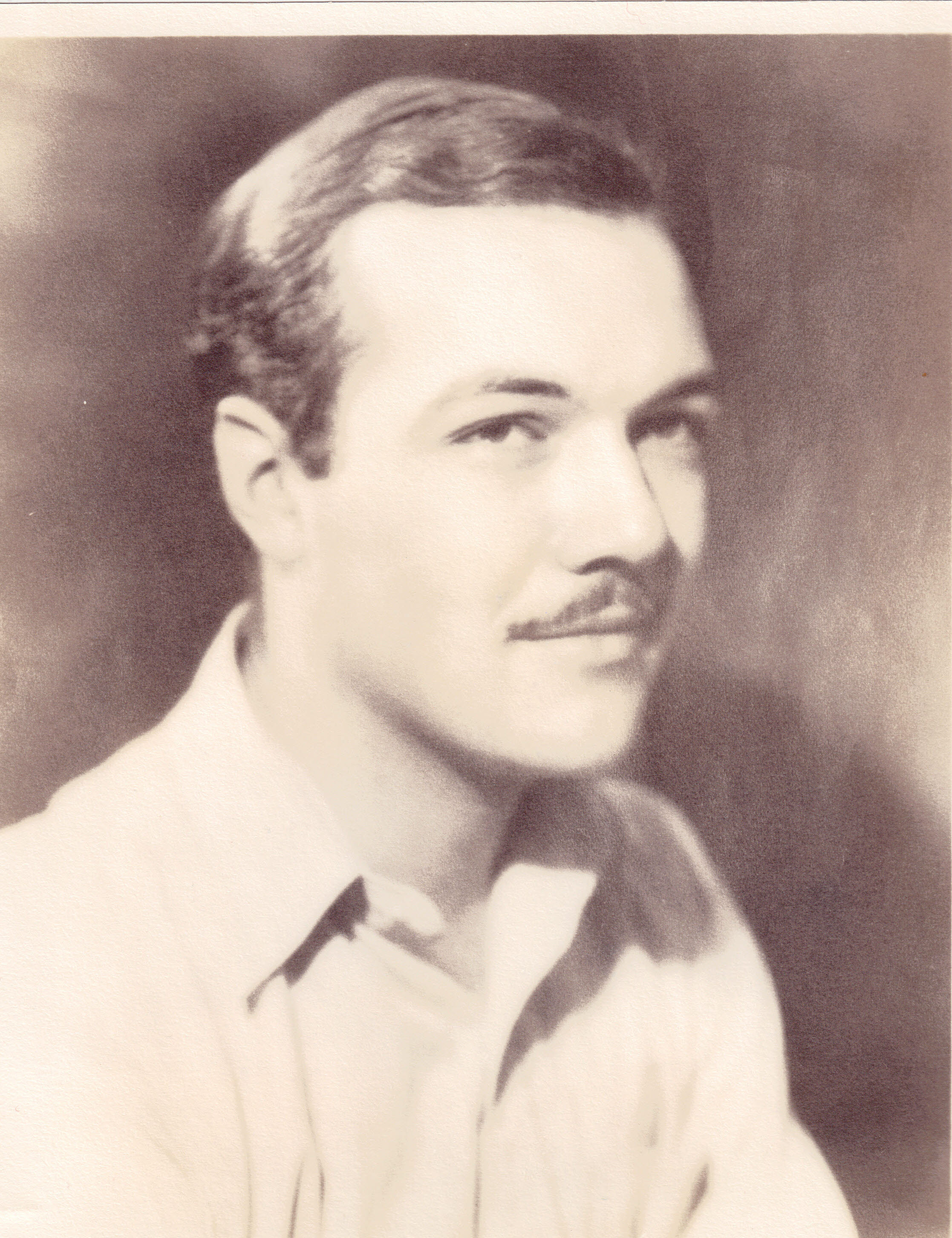
 Pujakins