Easter or Anytime Treats

Heartwings Love Notes 2029:  Easter or Anytime Treats

Heartwings says, “Home made treats are a labor of love, and so welcome they’re worth it.”

These recipes would be perfect for an Easter treat or one to make for any special time. You need an angel cake for them, so you can use a mix–which I recommend, make it from scratch– very labor intensive, I actually did it once, or bought from a store. The one you make from a mix is preferable because it’s larger, and the texture is better. I also prefer the taste. Serves 6 to 8.

The lemon pudding can also be made from a mix, though the fresh version with the actual lemons is far superior to the mix. Still, needs must and perhaps using a commercial product is better than not having the time to make it at all.

For the second version of the dessert, which is much simpler, the source of the ingredients is not as important. There are also several ways to use the versatile pudding, and you can make a number of desserts with this ingredient. For version one, assemble the following ingredients: One angel cake, the following lemon pudding, and 2 cups whipped cream or substitute. For the pudding, use 1 cup sugar, ¼ cup cornstarch, 1½ cups cold water, 3 eggs, separated, juice and rind of 2 lemons, 1/3 cup sugar for the meringue.

Method: In a stainless steel or glass pot, mix sugar and cornstarch. Add water, whisking or beating with a fork until all is well blended. Whisk in egg yolks, then cook over a moderately high heat stirring constantly until mixture begins to thicken, then boil for one minute. You must keep stirring or it will stick on the bottom and make a mess. Remove from the heat, add lemon rind and juice, stir well. Set aside and make meringue. If you want to, you can use a double boiler—very secure, or keep the heat lower. Doing it this way takes longer. However, if you tend to burn things, this is safer.

To make meringue, beat the egg whites until stiff either with a wire whisk—lots of work although good exercise, or in a mixer–easier by far! Sprinkle in the sugar very slowly. It helps to use a ¼ or ½ teaspoon measuring spoon. When your meringue is nice and fluffy and you have incorporated all of the sugar. Carefully fold the meringue into the pudding, keeping it fluffy.

To put the dessert together, tear small pieces off angel food cake and place a layer in the bottom of a pretty glass dessert bowl. Pour 1/3 of pudding over cake. Scoop out 1/3 of the whipped cream and spread lightly over pudding mixture. Alternate cake, pudding, and cream, ending with cream. Chill for 4 to 24 hours, depending on your schedule, and serve.

You can also substitute a can of blueberries—do NOT use blueberry pie filling– or two cups blueberries boiled for 5 minutes together with ½ cup water and ½ cup sugar. Using a glass loaf pan, layer torn up cake, alternating it with blueberries and whipped cream or dairy free substitute. Let it sit in the ‘fridge for at least 12 to 24 hours, and serve to 4 to 6.

The fluffy lemon pudding is also great served just by itself or served on large sized baked meringue nests, in which case, omit mixing the meringue into the pudding and bake it as 3 to4 inch nests, baked at 250 on parchment paper for 45 minutes or until dry to the touch.  Cool and fill with lemon pudding and whipped cream too if desired.

May your celebrations be filled with joy, regardless what you serve.

Blessings and best regards, Tasha Halpert

PS If you have any holiday treats to share, I’d love to try them, or at least read about them. Write to me at tashahal@gmail.cm or hit the reply button and make my day.

Heartwings Love Notes 2015 Giving at the Holidays

Heartwings says, “Giving needs to be enjoyable for the giver as well as for the recipient.”

Stephen and I were discussing what to give friends and family for Christmas.  We have a list, as always, and in previous years, we have accumulated gifts throughout the year and mailed them or given them away at the holidays. However, there no longer seem to be the choices as in the past. Covid dried up the yard sales where we used to find fun things. Lately, being less mobile, with less time, shopping has not always been an option.

Furthermore, one family member told us she didn’t want any more things. It seemed she and her husband were eliminating, not adding. More recently, we have ordered food gifts from a catalogue that carries a variety of packages of meats, sweets, and cheeses. Some we used to send to were on special diets, or didn’t eat some of the things they used to eat.

I thought about the plethora of catalogues piled on the sofa and sighed. With limited energy and restricted motion there would be no fun going to a mall or even a department store. It was getting late for online shopping especially if we needed to be wrapping and mailing anything to relatives far away. Christmas giving is supposed to be fun. It wasn’t feeling that way.

Then I thought about how nice it was to be able to chose something, using a gift certificate. The answer to my dilemma appeared in flashing lights. Exactly! The perfect solution: gift cards for purchases on Amazon. I turned to Stephen and shared my idea and he agreed. Problem solved. People get to choose what they would like and fortuitously, no postage need be paid by either giver or recipient. It was a win- win situation.

My grandmother always gave my parents some cash, brand new crisp bills from the bank, together with a carton of cigarettes. This was very welcome. As an old friend used to say, “cash makes no enemies.” My father told me that after my grandmother passed on, and he was going through her things, in her bottom bureau drawer he found every gift he had carefully chosen for her re wrapped, brand new and unused. He said it made him feel sad. I don’t blame him.

Her sister, my Great Aunt Alice, used to give strange, even weird gifts that no one cared for and usually could not return because their point of origin was unknown. I do remember one such gift I received from her which was a wood burning set. I had no idea what use to put it to, and for years it gathered dust on the top shelf of my closet.

Each Christmas my dad wrapped the gifts he gave to the gardeners who took care of the estates where he was hired to do tree work. Some got cartons of cigarettes, others ties, and a few got liquor. He wrapped each gift carefully and delivered them himself. It is fun to recall these special holiday memories.

May you enjoy your special holiday memories and share them.”

Blessings and best regards at the holidays and always,

Tasha Halpert

Heartwings Love Notes 2013 Leftovers Can Be Useful

Heartwings says, “‘Waste not, want not,’ is a good rule to live by.”

I had to throw way some leftovers recently, something I dislike doing. However, my current refrigerator is somewhat low to the ground, and they had vanished into its depths. I once had the freezer part on the bottom. This made it so much easier to deal with leftovers. They seem to land on my current refrigerator’s bottom shelf by default.

This may be because the other shelves in the fridge are already filled with our many jars of condiments, sauces, dressings, and of course food intended for meals. This makes it imperative to keep an eye on what’s down there. I try hard, though apparently not hard enough as I recently discovered.

In search of the remains of a turkey dinner I hoped to serve in another form I discovered two ancient (more than several weeks old) boxes of restaurant leftovers that I didn’t feel were safe to consume. Often, I am happy to use up older leftovers if I am going to cook them for a while before we eat them. I’m very careful that way. If I can help it however, I don’t like to waste food. Unfortunately, these contents of these two containers were really ancient.

Usually, I don’t leave my leftovers in the restaurant boxes, either. The exception would be if they were tightly sealed in strong plastic. Even so, I can keep track by remembering when we went to the restaurant they were from. Prices have gone up, so we don’t eat out as often as we used to. All that aside, the holidays often produce left over food; sometimes it’s difficult to know what to do with it. I know many use microwaves to reheat. I don’t like to. I’d rather be creative.

Here are a few suggestions to use instead of a microwave, that add nutrition and extra flavor: Omelets are tastier when you include bits of meat and vegetables. Add grated cheese for extra zest, or not as you choose. Herbs like thyme and ground garlic are also good to perk up flavor. Home fried potatoes are happy to mix with these ingredients.

Try making patties with leftover mashed potato; add herbs and/or cheese. Let top and bottom brown for great taste. Before heating leftover pasta or rice dishes, add water instead of olive oil, coconut oil or butter to frying pan and let it come to a boil. Then add ingredients and reduce heat. There will be less calories too.  Add with it any additional cooked vegetables on hand. This is a great way to use your small quantities of anything and thrifty too.

You may wish to work with compatible dishes from individual meals so they combine better. That makes for simpler, easier leftover dishes. I am always happy to have items I can combine in my fridge for fast, tasty meals. Adding chopped onions sauteed in butter, perks up flavor every time. Here’s a secret: Chop sweet onions and you might find you don’t suffer from onion tears.

May you find creative ways to use your leftovers.

Blessings and best regards, Tasha Halpert

PS If you have creative recipes for leftovers to share, please do. I am always happy to learn and to discover new recipes. Comments, questions, and suggestions are always welcome. Write me at tashahal@gmail.com, and for more Love Notes, visit my blog and/or sign up at http://tashasperspective.com.

Heartwings Love Notes Kitchen Helps and Hints

Heartwings says, “Good tools are an important part of success in the kitchen.”

When at around the age of ten or eleven I first began to cook, I was permitted only to make brownies. In a year or more, I graduated to salads. That was it. My mother feared I would “ruin the food,” her words, and although cooking was low on her list of things she liked to do, she did all the rest. Once I got married and had my own kitchen, I taught myself to cook whatever we were going to eat. I had the impression I ought to serve meat twice a day, and because I was on a rather meager budget, we ate a lot of hot dogs.

These many years later I still do enjoy cooking, although I do not feel I must serve meat twice a day. Perish the thought! Protein twice a day, when you have diabetes, as I do, however is important and a rule I do try to follow. Besides meat and fish, this can include nut butters, cheese, cottage cheese, eggs, and other forms of protein. I don’t make many elaborate meals, because at eighty-seven my stamina is not what it once was. However, I do try for us to have mostly healthy, Mediterranean style dishes and lots of fish.

I have learned that certain tools are essential to efficient, enjoyable cooking. I have several different sized cutting boards, and my smallest is probably the one I use most. Two serrated knives, one large, one smaller and several small, pointed utility knives are helpful and better still, several pairs of scissors. Although I have a good chef’s knife for chopping, they are easier for me to use to deal with celery, scallions, and fresh herbs. I also use the scissors to reduce peppers and onion to smaller pieces once I’ve cut into them.

One of my most favorite tools is a canning funnel. It’s not that I do any canning, although my mother did. Our basement closet was once filled with glass jars of fruit and vegetables picked from her garden. Today the food I can purchase in the market is a lot more available and does not require standing over a hot stove. My canning funnel as well as its traditional sister, with the smaller spout, is absolutely invaluable for pouring soups, stews, cooked fruit, and anything liquid into jars without spilling.

I once had plastic funnels and somewhere along the way I acquired stainless steel ones. I highly recommend these as one of the most valuable tools in a kitchen. A good, versatile garlic press is also vital if you use much of this nutritious vegetable or herb, depending on what you call it. My lemon squeezer is another big help for our daily before breakfast half a lemon in water liver cleanse. Slotted spoons and several sizes of ladles are helpful. Lastly, I have two smaller and one larger spatula.  These small ones are extremely handy for all sorts of cooking, and the larger one is useful too, for serving.

May you have success with your efforts in cooking, and enjoy it.

Blessings and best regards, Tasha Halpert

PS Do you have some kitchen tools you are especially fond of? Please email me or comment and share your story. I so enjoy hearing from readers. Thanks! 

Heartwings Love Notes 1086 The Wisdom of a Blind Eye and a Deaf Ear

Heartwings says, “Gently ignoring a situation can help soothe troubled waters.”

In the interests of peace, it is often advisable to turn a deaf ear or a blind eye to some of the unimportant yet annoying sources of conflict in a relationship. For instance, my mother resented it that my father did not want her to ever wear black. His mother, after the fashion of her day, wore black for seven years after my grandfather died of the terrible flu that ravaged the American soldiers and many others who were overseas at the end of World War One. Young at the time, my father had grown to intensely dislike black attire. Perhaps it reminded him of the loss of his father; I do not know and never asked him.

My mother was patient about this, as well as many other things that were not agreeable to her in their life together. To turn a blind eye is to avoid seeing, a deaf ear to avoid hearing what might otherwise be a source of irritation. However, doing this may also build resentment toward the perpetrators. It is sometimes difficult to walk the line between giving too little attention and giving too much. One must ask, is this situation important enough to make a fuss about or is it something that can be overlooked?

Here it might be good to take note of one’s feelings and to pay attention to them. It must be decided whether the annoyance is strong enough to prompt a response or not. If not, one can let it slide. If so, one can speak up. Sometimes the unaddressed feelings can build up and cause a problem or an argument. Sometimes which is worse, they create a ‘blowback,’ causing resentment that turns into anger and even sabotage. When one is trying to be nice, it might be all too easy to ignore the very real feelings of dismay that will turn into something worse when treated with a blind eye or a deaf ear. It seems important to allow one’s feelings about something uncomfortable to be mentioned rather than ignored, when there is danger of a buildup to the point of explosion.

For instance, I remember many years ago when I was a teenager, chiding my parents about their prejudicial language. They had grown up with it and to them using the ‘N’ word, for instance was perfectly normal. They did not take kindly to my efforts to correct them. Still, it was important to me to do so because I felt strongly about it.

Honesty is indeed the best policy; however, you need not be blunt nor simply complaining about something insignificant. The secret to success in speaking up is to not play the blame game, but to be truthful about your feelings. When you feel strongly, when your feelings are authentic, and when you phrase them in such a way as to convey this, your rate of success will be much improved.

Heartwings Love Notes 1054 Where are my cookies

Heartwings says, “Sharing is caring and easy to do.”

My first husband and I had five lively children, and to pass the time while I cared for them, as well as to make them happy, I baked cookies several times a week. The trick, however was to make sure everyone got his or her fair share. To do that in a good way, I counted up the cookies and divided by five, saving a few over for the grownups. On the list of amounts per child, each one was to check off the ones taken. Most of the time this kept the peace.

I used to do the same with any expensive fruit, like peaches and plums. Everyone abided by this setup. No one wanted to feel the collective wrath of the rest of the family if they didn’t. Fairness was an important principle that I wanted to be sure my children learned. I made it a priority for everyone to get their fair share.

 In addition, to help make each child feel cherished and special I used to take each in rotation for a trip to the destination of their choice. But not just that, I made a rule that when we were out, my time would be devoted exclusively to the child—I would do no errands or other personal activity. They remember these fondly.

I tended to discourage competition within the family, and rarely if ever compared any one of them to another. This was not how I was raised. My mother was a very competitive person and my father was somewhat this way also. Perhaps this was due to the prevailing attitudes of their generation. Regardless, I did not think it helped siblings to become friends when they were always being presented as being into competition.

I am happy to say my grown children are all good friends. They share one another’s lives in positive ways that my sister and I were not encouraged to do. For example, I remember discovering something really nice she did for my mother that neither told me about at the time, and I found out quite by accident.

If there were more sharing in today’s world, there would be a better use of resources. I recall once suggesting to a neighbor that we invest together and share in a power mower; she looked at me as though I had two heads. Sharing is caring, both for the planet and for friends and neighbors.

There are many ways to share that cost us little to nothing in cash or time. On the internet, there are informational blogs on many subjects that one can read and add to. Parkinson’s individuals, for instance can be of help to one another this way. Volunteering in a variety of ways can be another way to share. Some organizations, like the Rotary Clubs, are very giving. Regardless how you spend your time, remember, if you do bake cookies, your neighbors might like some too.

Enjoy sharing the best way you can, and there are many to choose from.

Blessings and Best regards, Tasha Halpert

P.S. Suggestions, comments and thoughts are always welcome. I treasure your emails. Please write me at tashahal@gmail.com, and I’ll happily answer.

Waste Not Want Not

Glittering Glass 2The phrase “waste not want not,” sounds as though it might have come from the Bible, however it did not. It also sounds like old fashioned New England thrift. My mother being German, definitely learned the concept from her experience. I have found it useful in trying to utilize whatever food I might have left over from any meal. In my book, wasting food is not to be done.
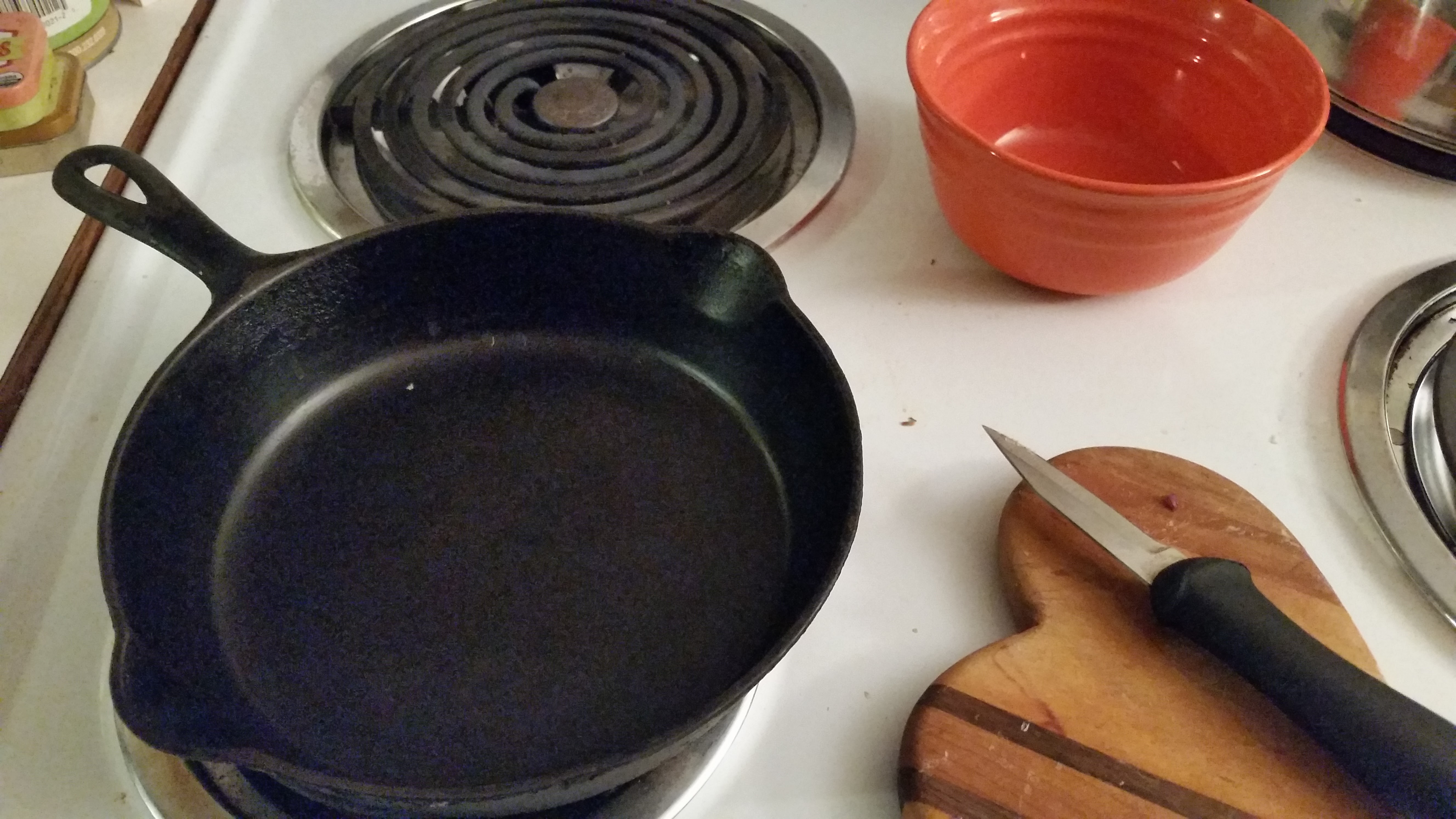
It helps to be prepared. I usually cook enough rice to have plenty for extra meals. This saves me cooking time later.  I am always happy to see some leftovers in my refrigerator. One reason is that they help me to fix meals quickly, another is that they help make it less work to do so. I love to cook, and I also love to write poetry and do many other things. Cooking is fun, but not if I have to neglect the rest of my various duties and activities. I usually make enough food for a meal to create another or part of one from what is left over.

It is also true that by utilizing my leftovers, I save not only time but money. My mother, who grew up in war torn Germany, felt food was very precious. I was made aware of this very early on and it stuck. I often use small amounts of vegetables, for instance, or cheese, bread, rice or pasta and so on to incorporate into what I call a “Never Again,” because I will most likely never have just that combination of ingredients to use.

It is important to make sure to blend flavors appropriately. For instance, I’d never combine a curry with an Italian flavored dish. I would blend anything plain into something spicy or tangy. I don’t generally combine a cheese and pasta dish with something involving a strong fish, however you might. One of my favorite tricks is to add shrimp I’ve baked at 425 for 10 minutes to any leftover rice or pasta, then put in herbs to taste, some sautéed onions and any leftover vegetables I might have.

Try spreading leftover chicken or seafood salad on bread, cover it with cheese, and bake in a toaster or regular oven at 425 degrees for 10 minutes. Add a salad to make a fast, tasty supper meal. There are several rules I follow in my thrifty ways with leftovers: I never combine pasta and rice leftovers; I usually incorporate some chopped, sautéed onions to freshen the flavor; I try to use most leftovers within a week. Have fun, Leftovers present great opportunities to be creative.

Something from the Oven

Cooking with heartThere was an advertising phrase that went, “Nothing says loving like something from the oven…” however, I think the advertising agency had it backward. It’s the love in the preparation that does this. The oven only helps, as do the ingredients, preferably as clean and fresh as possible. Love helps us to choose them, as well as to guide the utensils used in the preparation. Furthermore, the focus of the mind is an important ingredient as well. If I am angry or upset when I am preparing food, it could affect the way it tastes as well as the way it is digested. Though I can’t prove it, it’s my belief that thoughts and feelings can be powerful in their effect on food.

A study of this potential would make an interesting experiment for a science project, though it could be difficult to set up. I do really enjoy cooking. Though I’ve never had any courses or training for it and am completely self-taught, I get great praise from those who taste my cooking. I remember one person saying, “This must be Tasha’s kitchen because it smells so good.” Another time, I had prepared a tropical entrée made with bananas with other ingredients, baked inside their skins. When I stopped one guest from cutting into his, he said, “Oh, I thought if you had cooked it, I could eat it.” I laughed and thanked him.

One of the most cherished comfort food desserts is bread pudding. According to the internet, sometime in the 11th or 12th centuries, a frugal cook somewhere in Europe needed to use up their stale bread and began thinking up ways to do it. Perhaps instead the cook needed a dessert and had only stale bread, eggs and milk to go with it. Be that as it may, bread pudding has become a staple food. Once called “Poor Man’s Pudding,” it is said to be served in upscale restaurants as well as homes all over the world. Many of the recipes for it call for some form of fat. My recipe omits this ingredient and I don’t think the calories or the taste of it will be missed. Feel free to experiment, I still do. You can butter the bread first if you wish to include it.

The recipe I have evolved from making it often is simple, and we eat it all the time. You do not have to wait until the bread is stale, though of course that is a good use for any you might have. Preheat the oven to 350. Grease a 1 ½ or 2-quart covered casserole. Put a pan of water the casserole will fit in into in the oven. Begin with 2 cups torn up bread—around 4 to 6 slices. I use a raisin bread and it’s on the small side. Sprinkle on ½ cup sugar and ½ to 1 cup raisins if not using raisin bread. Beat up 2 eggs and 2 cups any kind of milk. Add 1 plus teaspoon vanilla and 1 plus teaspoon cinnamon and beat again. Pour over bread and stir to combine well. Place covered casserole in the oven in the pan prepared with water. Bake 1 hour, remove cover and bake to brown for 15 or so minutes. If you can resist diving into it, the pudding tastes best the next day when flavors have developed.

I have no recollection of having been served bread pudding in my childhood; I have evolved this recipe from following one in a cookbook of recipes based on the Cat Who mystery series by Lillian Jackson Braun, both of which which I highly recommend.


Helping Out Friends and Neighbors

grandmothers 6 cake


My father, my grandmother and even my great aunt did a lot of volunteer work. I remember my grandmother telling me about rolling bandages during World War II. My great aunt was a Girl Scout leader. My father volunteered his services to the radio for the blind as well as serving as treasurer to some of the organizations to which he belonged. My mother taught small children in her studio when she lived in the Cayman Islands. Volunteering comes naturally when you grow up with it. Many of us do what we can to be of help.

Some years ago a friend of mine and her mother began making pillowslip dresses for young ladies in third world countries. Made from two lengths of material sewn together and tied at the shoulders, these simple inexpensively produced dresses, have supplied a great many girls and young women with modest colorful clothing. Since then the mother and daughter have had many other people join them in their efforts. It brings all who participate a sense of joy as well as the sense of satisfaction that comes from being of help to others.

There are countless ways to share effort. Most churches, senior organizations and even listserves offer opportunities. Giving rides, doing errands, bringing meals, or just being a friendly person to the aged and housebound is one simple, easily found one. Most soup kitchens welcome your help as often as you can manage. Many organizations look for volunteers to assist staff. Helping out a young mother in your neighborhood with child minding while she goes grocery shopping can be a boon. Even the small act of holding the door for the person coming along behind you can bring a smile to that person.

“It is in giving we receive,” said St. Francis of Assisi in his famous prayer for peace. From the time most of are small we are taught to share, to think of others, perhaps to put them first, and to avoid taking the biggest piece of cake or the last cookie. Because it comes when we are very young, this guidance often becomes part of us. We may thrive on the opportunity to do so. However, if I rely solely on the good feeling I get from helping others and neglect to take care of my own needs, I am apt to feel resentment or even neglect when I do not receive what feels like sufficient gratitude for my help

It is vital not to make sacrifices that I cannot afford, however, I need not expect thanks, nor feel neglected when I remember to acknowledge my own efforts to myself.  I need not depend on anyone else’s gratefulness, because I can feel inner gratitude to have been able to help. The act of giving brings with it a natural source of uplift to the heart. This fountain of joy flows freely when we look into ourselves for the acknowledgement we deserve for our efforts. It is lovely to be thanked, and I try to remember to do it often. It is also good when we feel that as an echo of our own inner sense of gratitude.


Expressing Thanks for Daily Blessings

          “Take nothing for granted.” The complete stranger who spoke these words looked into my eyes; the elderly woman’s expression was earnest. She told me several more things and then vanished into the crowd waiting in the vestibule of the Cathedral of St. John in New York. I was there to see a pageant I was to take part in at another time. Her words made a strong impression on me and some forty plus years later still have. I didn’t make the connection then, but later I understood its application to the practice of gratitude.

It’s easy to acknowledge generous gifts with thanks. Gratitude for the larger things in life–good health, sufficient income, a happy family is more common. Most of us take much for granted, especially those things we rely on and use each day. Our small creature comforts too are easily ignored or remain unnoticed because we are busy or mentally preoccupied.

It is more difficult then to remember to express thanks for those small, even relatively insignificant daily gifts common to our ordinary lives. When I step into my shower, I feel appreciative of the stream of warm water, and I am reminded of my friend who lived with cold showers for months until her electricity was restored. As I get into my comfortable cozy bed and slide under my clean sheets and feather quilt I am grateful, and I do say so in my heart.

I rejoice over small blessings—a kind conversation with my daughter, the neighbor who offers to help me carry my groceries up the stairs or shovel the snow from my car, finding a book in the library by  a favorite author. Most are so preoccupied these days, it’s difficult to stop and take time to remember how fortunate they are. In my many years of life I have learned to be glad for these small gifts and others that thread my daily life with comfort and joy.

I learned this from a friend almost thirty years ago. I overheard him saying “Thank you little (memory fails me as to what it was) and continuing to express his gratitude to several more objects. Now I thank my car for bringing me safely both to my destination and back home. I thank my computer for bringing me my email and functioning as my writing tool. Can seemingly “dumb” machines hear and appreciate? I don’t know, yet I like to voice my appreciation and to treat my mechanical servants as nicely as if they were flesh and blood. It only seems fair.

People who live in countries where the only water available must be carried from a well in the center of the village would be unbelievably grateful to be able to turn on a tap. Not so long ago anyone wanting a bath had to have the water heated on a stove or over a fire and hauled to a tub. Imagine having to hitch your horse to a wagon to go into town for groceries or walk miles carrying them home.  At this season we are reminded to be thankful. It is well to remember that gratitude needs to be an everyday practice.