Heartwings says, “The future depends on how the present proceeds.”
At our New Year’s Day gathering Stephen and I were sitting together on the sofa when a friend began taking our picture. The light was reflecting off my eyeglasses so he asked me to take them off. I heard the echo of my dad’s voice saying, “Take off your glasses and look pretty.” I laughed to myself and removed them. These days, confident in my appearance and no longer impressed by my father’s prejudice, I am happy to be photographed with them either on or off. My expectations have changed.
Expectations often dominate a new year. After all, that’s how we express our resolutions. These may or may not be realistic, fall by the wayside, or bring results. However, they may be doomed by our expectations. This failure comes about as a result of the unconscious programming behind them. Our programming is the unremembered precepts we grew up with. They are often reflected in our self talk: my weight is inherited from my mother’s side of the family or I am lazy and uncoordinated.
Do you listen to yourself? Do you hear how you respond mentally to plans? To resolutions? Here’s the thing: At the start of the new year many resolve to lose weight or exercise more. If they were listening to their inner responses, here’s what they might hear: “I’ve tried this before and failed, why bother trying.” Or, “I’ll just fail again; it’s too difficult to exercise, and anyway, I don’t want to take the time.” If the resolution involves depriving oneself of the pleasure of eating, or projects the boredom of exercise, where’s the incentive? These may be the negative expectations that arise when resolutions are expressed.
Or it may be possible to avoid expectations, both positive and negative altogether. There is a way to do this. It comes from the practice of Buddhism and is called beginner’s mind. I once had a yoga class with a teacher who said his mantra—a saying to help one grow spiritually, was “I know nothing, I want to learn.” This is an excellent way to express beginner’s mind. Back when I first heard this I scoffed, thinking that I was creating an affirmation of stupidity. This was incorrect. By affirming I know nothing,, as I later realized, I was clearing the slate of the expectations, definitions, or prejudices I might carry in my mind.
Now when I look at the New Year I see it through a lens of confidence, sure I approach it without any idea what will happen. However, regardless what does, I know I will grow from the experience because I wish to. My life may or may not go in a direction I am prepared for, That’s not important. What is, is that I greet any and all happenstance without prejudice but with the confidence that I will benefit if only by learning not to do something or else to do what is needed. That way a new year is truly a blank slate I can look forward to writing on, just to see what happens next.
May your new year of life be filled with blessings of all sorts, known and unknown,
Blessings and best regards Tasha Halpert
P.S. Did you make any resolutions? How are you doing with them? I always enjoy your comments so much. Write me on my blog or at this email: tashahal@gmail.com.
 I used to chafe sometimes at my lists of things to do—sigh and say to myself, oh if I only had more free time to write poetry or organize, edit and tidy up my writings. It seemed to me that what I thought of as my daily or sometimes weekly drudgery took too much of my precious time and energy and I resented it. However, that was before the onset of the pandemic and the seeming disintegration of all that has constituted daily life and living, both personal and for my country.
 When I was a young wife in the fifties, my father helped us buy a house in the small town where I had grown up. Just outside my kitchen door was a garbage pail sunk into the ground. I would step on the lid, dump in my orange peels, potato peelings, stale food, etc. and once a week a man would come by with a big truck, pull out the bucket, empty it into his truck, and along with all the other garbage he had collected, take it to feed his pigs.
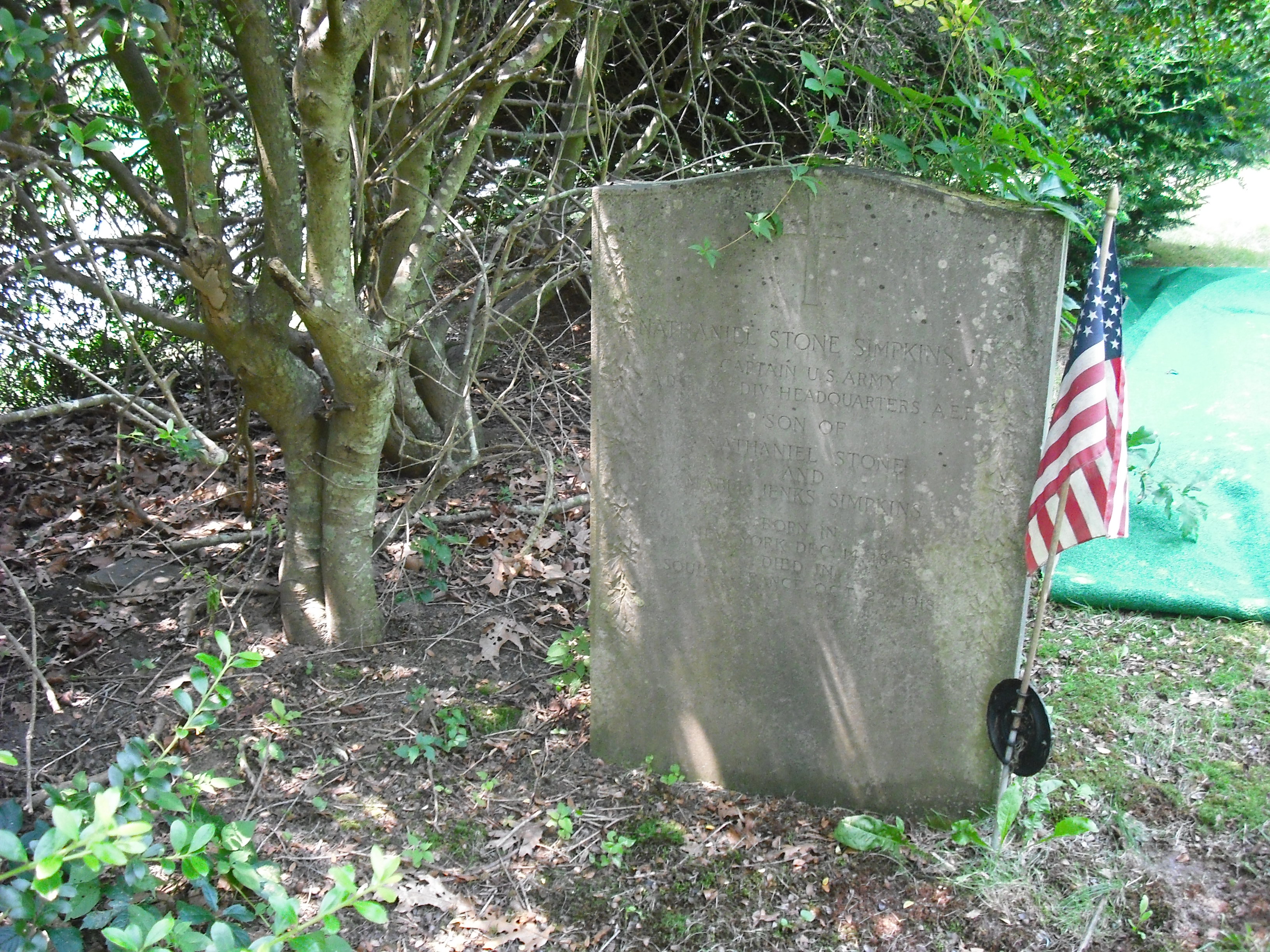 My brother and his wife just moved to Illinois, leaving behind the home we both grew up in on the North Shore In the next town, there is a square dedicated to our grandfather who died in World War One. Every year the parade stops in the street by the square. His name is on a pole in front of the fire station there, and they put a wreath on it each year in his memory. When I was a child my grandmother used to bring a big bunch of carnations to place inside the wreath. In later years my brother always attended the ceremony and participated. Now he will no longer be able to do so. Still he will have many years of memories, dating back to his boyhood.
 Do you take satisfaction in what you may have accomplished? Or do you tell yourself you could have done whatever it was better, or done more? Most of us have a critical voice inside that will not let us be satisfied with what we may have done, even though we may well deserve it. That critical voice can originate early in life from a parent, a teacher, or a boss. Now it has become a part of us as adults, and it robs us of the joy we might take from our satisfaction. To be satisfied may actually take courage, the courage to admit we have done something worthwhile.
 Pujakins