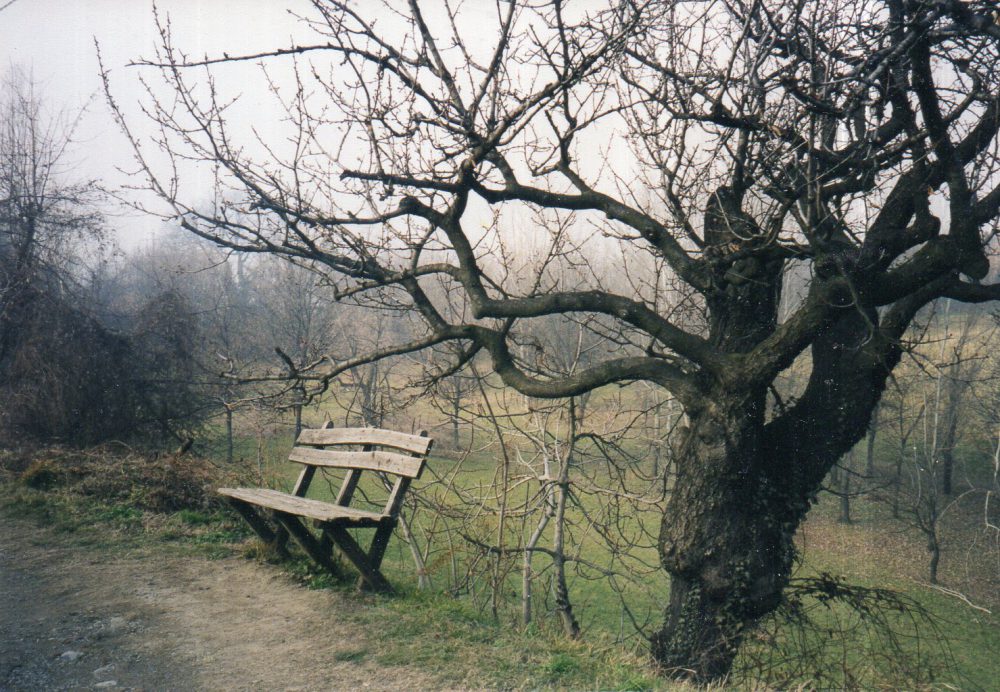
Heartwings says, “Putting things back where they belong is important.”
As a child I was taught to be tidy. Emily, the practical nurse my parents hired to help care for me when I was around two or so, tried hard to make sure I learned to put my toys, and later, my clothing away. She was with us until I was around eight years old when she left to get married and have a family of her own. Unlike my mother, she was patient and physically affectionate.
I am not faulting my mother in any way. Her behavior was molded by her upbringing. While kind and a good mother, she grew up with strict German parents who did not encourage demonstrative behavior. Even as a grandmother she was reluctant to accept or to give physical affection. Fun and fond behavior was not a priority, neatness was.
Once I was married and had children of my own, I did my best to be as tidy as I could. This grew more difficult with each addition to the family, which eventually added up to five children. I didn’t have a lot of time to devote to being neat or organized. My mother often criticized me for my “messy house,” and it never seemed to occur to her that there was a good reason for this. I thought it was more important to enjoy and care for my children than to be neat.
Neatness does have virtues beyond looking nice. Having things in order means when I need to find something, I’ll know where it is and can find it without any difficulty. That is why the saying, “a place for everything and everything in its place,” has been my guideline as long as I can remember. For instance, I try hard to keep all of my tools where I can easily reach them and as close as possible to where they will be used. Being a systematic Scorpio, I have sectioned off the shelves in my pantry by assigning them to what I can make or do with the contents.
However, unfortunately this works as long as I am the only person putting things away. Also, there often is more to be put away than the shelves can conveniently hold. This results in items get shoved to the back, effectively disappearing from view and becoming unavailable. So, although I no longer have little children to run around after or an eagle-eyed mother judging my attempts to be tidy, I struggle still with my tidiness conundrums.
The current state of my health doesn’t help either. Despite Stephen’s great help, much does not get done. There are days I simply only have enough energy to cook meals and see to my immediate emails, not to mention attend doctors’ appointments. Prioritizing becomes important, and as it was once so it is again: I do what is important and let the rest go.
 I used to chafe sometimes at my lists of things to do—sigh and say to myself, oh if I only had more free time to write poetry or organize, edit and tidy up my writings. It seemed to me that what I thought of as my daily or sometimes weekly drudgery took too much of my precious time and energy and I resented it. However, that was before the onset of the pandemic and the seeming disintegration of all that has constituted daily life and living, both personal and for my country.
 Were I learning to read today I feel sure my picture books would include children of all skin colors and ethnicity. The closest books about anything outside my everyday experiences of white America that I can remember, was a series about twins of various countries. However, these were not living in my town or even my country. My history lessons were primarily about Europe and even the myths I studied were Greek, Roman or Norse, and all the gods and goddesses had white skin. Black culture or history was not included in my grade school or even High school studies. This in and of itself forms a kind of prejudice against non-whit, non-Europeans.
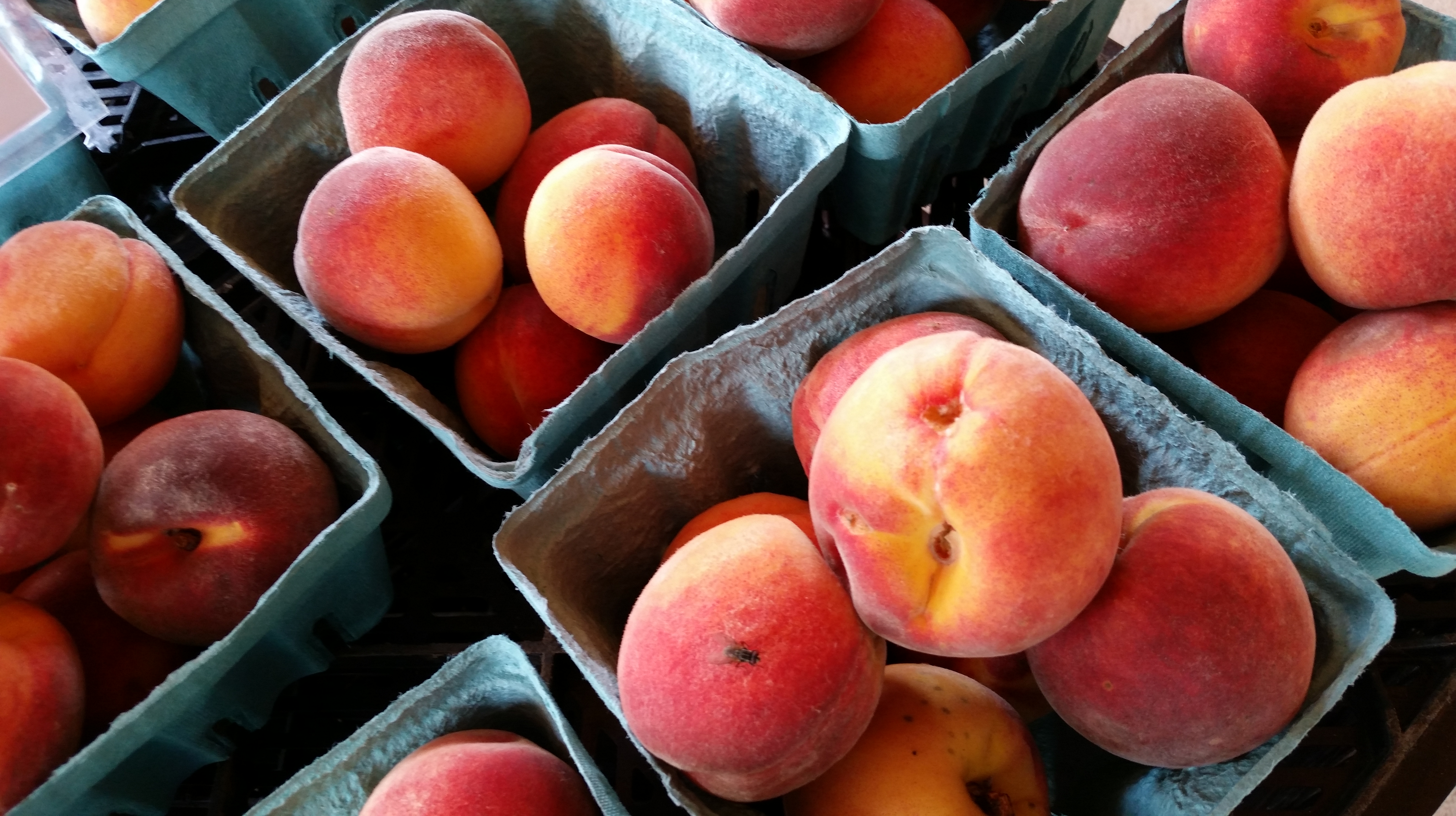 When I was a young wife in the fifties, my father helped us buy a house in the small town where I had grown up. Just outside my kitchen door was a garbage pail sunk into the ground. I would step on the lid, dump in my orange peels, potato peelings, stale food, etc. and once a week a man would come by with a big truck, pull out the bucket, empty it into his truck, and along with all the other garbage he had collected, take it to feed his pigs.
 Do you take satisfaction in what you may have accomplished? Or do you tell yourself you could have done whatever it was better, or done more? Most of us have a critical voice inside that will not let us be satisfied with what we may have done, even though we may well deserve it. That critical voice can originate early in life from a parent, a teacher, or a boss. Now it has become a part of us as adults, and it robs us of the joy we might take from our satisfaction. To be satisfied may actually take courage, the courage to admit we have done something worthwhile.
 My parents frequently discussed decisions, disagreed often and usually did so at the tops of their voices. They were a fiery couple and yelled their feelings vociferously. We did not have any neighbors nearby and no one could hear them but me. Though there was never any physical violence between them, I do remember the day my mother hurled a plate of scrambled eggs at my father. He ducked and it sailed into the closed window behind him, breaking through it, to land and shatter on the stone terrace beneath, breaking through the wood.
 Kittens grow up and become cats. They learn to use their claws on the furniture, and then they reach a point where if we do not pay attention, they may produce more kittens. Snow falls, gets turned by snowmen by eager, mittened fingers, and then when the sun comes out and the cold retreats, they melt. I wash the dishes, polish up the burners on the stove and sigh, remembering that there will soon be more dishes to wash and something will fall on the cooking surface and smell of burning if I don’t notice it before I begin to cook again.
 Pujakins