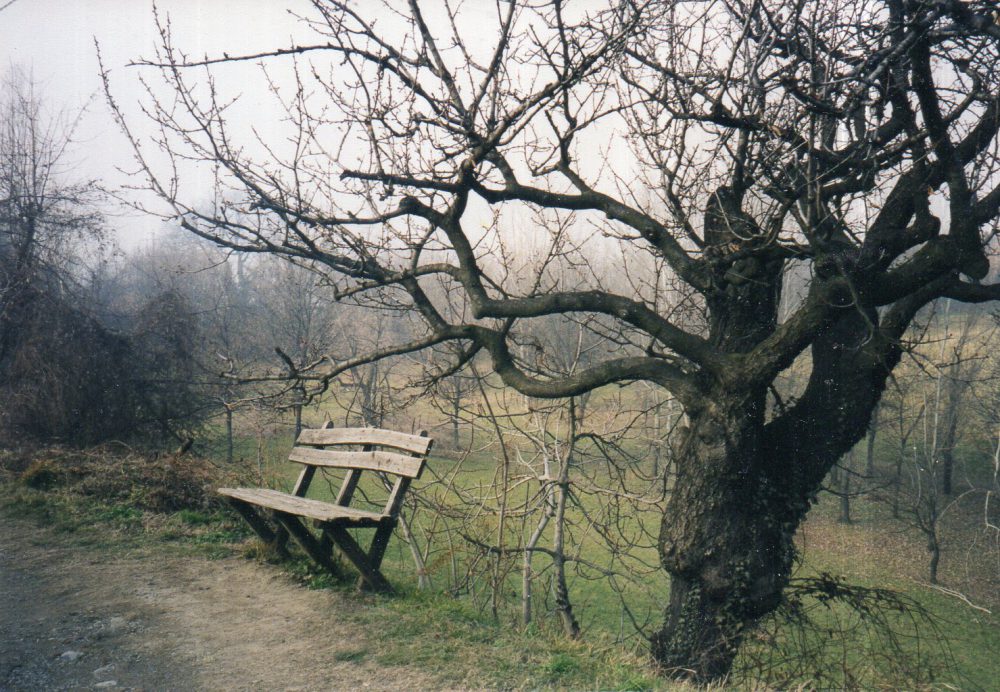
Heartwings says, “Putting things back where they belong is important.”
As a child I was taught to be tidy. Emily, the practical nurse my parents hired to help care for me when I was around two or so, tried hard to make sure I learned to put my toys, and later, my clothing away. She was with us until I was around eight years old when she left to get married and have a family of her own. Unlike my mother, she was patient and physically affectionate.
I am not faulting my mother in any way. Her behavior was molded by her upbringing. While kind and a good mother, she grew up with strict German parents who did not encourage demonstrative behavior. Even as a grandmother she was reluctant to accept or to give physical affection. Fun and fond behavior was not a priority, neatness was.
Once I was married and had children of my own, I did my best to be as tidy as I could. This grew more difficult with each addition to the family, which eventually added up to five children. I didn’t have a lot of time to devote to being neat or organized. My mother often criticized me for my “messy house,” and it never seemed to occur to her that there was a good reason for this. I thought it was more important to enjoy and care for my children than to be neat.
Neatness does have virtues beyond looking nice. Having things in order means when I need to find something, I’ll know where it is and can find it without any difficulty. That is why the saying, “a place for everything and everything in its place,” has been my guideline as long as I can remember. For instance, I try hard to keep all of my tools where I can easily reach them and as close as possible to where they will be used. Being a systematic Scorpio, I have sectioned off the shelves in my pantry by assigning them to what I can make or do with the contents.
However, unfortunately this works as long as I am the only person putting things away. Also, there often is more to be put away than the shelves can conveniently hold. This results in items get shoved to the back, effectively disappearing from view and becoming unavailable. So, although I no longer have little children to run around after or an eagle-eyed mother judging my attempts to be tidy, I struggle still with my tidiness conundrums.
The current state of my health doesn’t help either. Despite Stephen’s great help, much does not get done. There are days I simply only have enough energy to cook meals and see to my immediate emails, not to mention attend doctors’ appointments. Prioritizing becomes important, and as it was once so it is again: I do what is important and let the rest go.
 If you have ever walked with very young children, toddlers perhaps or even one just learning to walk, you have had to practice extremes of patience. How well I remember, as a mother of five, the small hand in mine as we went for a walk. I’d have one of my hands on the handle of the stroller to be ready when little legs tired, the other clutching the hand of the child. They all wanted to walk, of course, at least as soon and as far as they could. The snail’s pace we traveled was a wonderful test of patience. Especially if I were in a hurry. Little children can be very insistent.
 Apples are versatile and make for good cold weather desserts. They are relatively inexpensive and always available, plus they are very good nutrition. Needing inspiration for an apple dessert, I checked through my cookbook collection looking for a different way to make one. Because I try to avoid pie crust, I’m not a pie baker. Apple crisp, though very tasty, gets boring. I found that the recipes in my cookbooks for Apple Pan Dowdy and similar concoctions called for too much starch for a healthy diet.
 There is a joke I remember hearing some time ago to the effect that when a minister repeatedly prayed to God for patience, God sent him an incompetent secretary. He ought to have known better. Patience training is best experienced when I am in situations requiring patience. How else can I learn? There is no other way I know of.
 When I was little my grandmother used to take me with her to visit her friends. Among them were two sisters who had never married but lived together in a pretty home with a nice porch. They used to give me cookies and cambric tea–milk, sugar and a wisp of tea in a delicate china cup. My own mother was physically strong and after my father passed on lived alone and drove herself between Florida and Maine even in her eighties.

 Pujakins