Heartwings Love Notes 2037 Expect the Unexpected

Heartwings says, “Living with serendipity is helpful to personal growth.”

It is easier to anticipate the unfolding of the future when there is an example of it in your past. For instance, in my family none of the aging adults were physically handicapped in any way. My mother was physically agile, and vigorous in her nineties. She was also absent of mind. That started in her seventies, so it was no surprise. However, at my present age of eighty-eight her strength and agility were that of someone much younger. She was even still driving herself alone to Maine every summer.

None of my elders walked with a cane or even complained very much about their aches and pains. Thus, nothing prepared me for Parkinson’s and my slowly declining physical abilities. I am grateful that my mental faculties have stayed unaffected, and I still have most of my day-to-day memory as well as my long term one. I even have memories from before I was two years old.  Although I am not complaining about my physical condition—in fact I am grateful for what I can still do, I do mind how I look as I hobble along. Vanity is ageless.

My back bends as I walk, and I step slowly so as to be careful not to stumble. I can’t do nearly as much as I used to be able to do even a year ago. I don’t mean to whine; however, I do feel frustrated. Had I known this would happen would it feel any different? This is hard to tell. However, the best way to deal with the unexpected is to stay in the present moment and keep moving mindfully.

It is impossible for me to live without at least somewhat planning ahead. What’s important is first, to be flexible when things don’t go as planned and second to have confidence that the alternative outcome will be as good if not better than the original one. One example might be my frustrating recent experience of trying to return an Amazon purchase. I gave up after my attempts were obviously becoming a waste of time. Then when I looked more closely at what I planned to return, I saw that it was different than I had thought and was glad to keep it after all.

Another example might be working with my current physical condition as a new learning curve. Challenges are important to personal growth. For a good reason important to me. Nature is clear on this point: Without exception, all life as we know it, when it ceases to grow, begins to decay. Even rocks, though differently alive, will wear away with wind and time. I will stave off decay as best I can. While I cannot make much change in my physical condition, I can keep working on my mental, psychological and emotional one.

Living with less certainty and more serendipity is a delightfully engaging practice. Once I might have resisted it. Now after experiencing the results of trying to do so, I welcome it.

May you find good ways to learn and grow.

Blessings and best regards, Tasha Halpert

PS How do you feel about examples and their effect? Do you have comments or suggestions from your experience? I’d love to hear them. Write to me at tashahal@gmail.com. You can also sign up for my blog if you like at my WordPress site: http://tashasperspective.com.
Heartwings Love Notes: Once a Mom Always a Mom

Heartwings says, “Mothers deserve to be acknowledged every day, not just one.”

Most of the time, once you have a baby, something changes. You are now a mom, with all that entails. A tug to the heartstrings connects you to the tiny being you now hold. It is a special bond, unlike any other because it can last as long as you live, and rightly so, because it surpasses distance and circumstance. It may be stronger for some than for others, however nature has probably designed it for us so the survival of the species is assured. It seems built in.

The day to honor mothers brings out remembrances of one’s own, as well as (hopefully) acknowledgement from one’s children. Having just this morning, the day before the official one, received a call from one of mine, I am still basking in the glow from it. I know I will hear more, as I did today. My dear family is good about keeping in touch. I feel most fortunate for this.

My own dear mother is now no longer in her physical body, yet she is still in my heart and always will be. Though like most parents and children we had our differences, for a long time now all has been forgiven. As we grow older most recognize that our parents do the best they can and we have benefited from their care even though we may feel that we suffered from aspects of it. Fortunately for most of us, wisdom comes with time and experience, and with hindsight we see the past in a different light.

Mothers often try to protect their children from what they see as bad or as harmful. This is based on their own experiences or what they have been told by others. It may or may not be relevant but as mothers, all we have to go on is what we believe at the time. And times do change. Once comic books were considered a bad influence. I remember there was a lot of talk about this. Now that is no longer an issue; other warnings have taken their place. Mothers still have the same desire to protect the young.

Does this ever go away? I think not. Speaking for myself I know my children must tire of my warning them to get enough sleep or to be mindful of something or other. A mother must allow for the continuation of the mother instinct as it persists regardless of our ages. No doubt, in my opinion this proves mothering must be built in.

The main thing, to my mind is to remember not to nag one’s children or to act disapproving if they somehow manage to ignore or not to heed our advice. Equally important is not to be critical as they learn things by making mistakes. It is truly said what is most important about making mistakes is to learn from them.  Knowing she did the best she could, today I bless my dear mother, and I am grateful.

May you be a loving mom even if you have no one of your own to mother.

Blessings and best regards, Tasha Halpert

PS Tell me about your mom and what she did for you. I do so enjoy hearing from my readers. Write to me at tashahal@gmail.com, or better yet, sign up for my weekly column at http://tashasperspective.com

Heartwings Love Notes 2031: The Virtue of Small Tasks

Heartwings says, “Where you put your focus is vital to your success.”

 My mother used to tell me she enjoyed hanging out the laundry because when she finished doing so, she felt as though she had accomplished something. It gave her a feeling of satisfaction. At the time I was buried in tasks built around mothering my five very active, very creative children and was happy to have an electric dryer to do the work for me.

These days after many years of hanging the laundry out on the various clotheslines or racks in the different places I’ve lived, I again rely on a dryer, though for different reasons. Due to my Parkinson’s’, the time it takes me to accomplish anything has quadrupled, or nearly so, depending on the task.

I can’t do much about this. There is truth in that half humorous Pennsylvania Dutch saying, “The faster I go, the behinder I get.” In other words, when I try to hurry what I am doing, I make foolish errors or mess up in some way that delays me even more. Sometimes I feel like the adolescent with poor proprioception that I once was, who used to drop things, bump into them, or stumble over whatever got in my way. Nowadays there is a word for that condition, back then I was said to be clumsy.

Instead, I try to bring my attention to whatever I am attempting. It helps me when instead of allowing myself to be distracted, I focus on that and that alone. However, what I find to be the most useful are the small, daily chores I once hurried through in order to “get things done.”

I have made peace with tomorrow, recognizing that unless there is a hard and fast deadline, most things can be delayed without problems or harm. In addition, I get training in letting go of the ego satisfaction I used to derive from being efficient. The difficulty with ego satisfaction is that it’s distracting and not necessarily helpful.When I seek satisfaction as a goal, instead of a focus on accomplishing the task, it really does take away from my ability to function efficiently.

In trying to satisfy my ego, I’m not as able to pursue the best way to get something done. It’s easy to miss what works best when you are looking for what feels good to you. I’ve also noticed that these days, for many, faster seems to equate to better. No craftsperson worth her or his salt feels that way. I am reminded of the film The Karate Kid about the martial arts student whose teacher instructed him, “Wax on, wax off” as he worked on a car.

There is also the saying, “Chop wood, carry water,” a Buddhist perspective in reference to every day accomplishments. It’s all really about doing what is there to be done, the best way you can. Small tasks done with loving attention are as worthwhile as great accomplishments, however they are done.

May you find joy in whatever task you are pursuing.

Blessings and best regards, Tasha Halpert

P.S. Do you have any hints or helps along these lines? I can always use good ones, and I so enjoy hearing from readers. Reach out to me at Tashahal@gmail.com, and sign up for more Love Notes at https://tashasperspective.com/Pujakins.  

Heartwings Love Notes 1098 Where Can It Be

Heartwings says, “Putting things back where they belong is important.”

As a child I was taught to be tidy. Emily, the practical nurse my parents hired to help care for me when I was around two or so, tried hard to make sure I learned to put my toys, and later, my clothing away. She was with us until I was around eight years old when she left to get married and have a family of her own. Unlike my mother, she was patient and physically affectionate.

I am not faulting my mother in any way. Her behavior was molded by her upbringing. While kind and a good mother, she grew up with strict German parents who did not encourage demonstrative behavior. Even as a grandmother she was reluctant to accept or to give physical affection. Fun and fond behavior was not a priority, neatness was. 

Once I was married and had children of my own, I did my best to be as tidy as I could. This grew more difficult with each addition to the family, which eventually added up to five children. I didn’t have a lot of time to devote to being neat or organized. My mother often criticized me for my “messy house,” and it never seemed to occur to her that there was a good reason for this. I thought it was more important to enjoy and care for my children than to be neat.

Neatness does have virtues beyond looking nice. Having things in order means when I need to find something, I’ll know where it is and can find it without any difficulty. That is why the saying, “a place for everything and everything in its place,” has been my guideline as long as I can remember. For instance, I try hard to keep all of my tools where I can easily reach them and as close as possible to where they will be used. Being a systematic Scorpio, I have sectioned off the shelves in my pantry by assigning them to what I can make or do with the contents.

However, unfortunately this works as long as I am the only person putting things away. Also, there often is more to be put away than the shelves can conveniently hold. This results in items get shoved to the back, effectively disappearing from view and becoming unavailable. So, although I no longer have little children to run around after or an eagle-eyed mother judging my attempts to be tidy, I struggle still with my tidiness conundrums.

The current state of my health doesn’t help either. Despite Stephen’s great help, much does not get done. There are days I simply only have enough energy to cook meals and see to my immediate emails, not to mention attend doctors’ appointments. Prioritizing becomes important, and as it was once so it is again: I do what is important and let the rest go.

Heartwings Love Notes 1086 The Wisdom of a Blind Eye and a Deaf Ear

Heartwings says, “Gently ignoring a situation can help soothe troubled waters.”

In the interests of peace, it is often advisable to turn a deaf ear or a blind eye to some of the unimportant yet annoying sources of conflict in a relationship. For instance, my mother resented it that my father did not want her to ever wear black. His mother, after the fashion of her day, wore black for seven years after my grandfather died of the terrible flu that ravaged the American soldiers and many others who were overseas at the end of World War One. Young at the time, my father had grown to intensely dislike black attire. Perhaps it reminded him of the loss of his father; I do not know and never asked him.

My mother was patient about this, as well as many other things that were not agreeable to her in their life together. To turn a blind eye is to avoid seeing, a deaf ear to avoid hearing what might otherwise be a source of irritation. However, doing this may also build resentment toward the perpetrators. It is sometimes difficult to walk the line between giving too little attention and giving too much. One must ask, is this situation important enough to make a fuss about or is it something that can be overlooked?

Here it might be good to take note of one’s feelings and to pay attention to them. It must be decided whether the annoyance is strong enough to prompt a response or not. If not, one can let it slide. If so, one can speak up. Sometimes the unaddressed feelings can build up and cause a problem or an argument. Sometimes which is worse, they create a ‘blowback,’ causing resentment that turns into anger and even sabotage. When one is trying to be nice, it might be all too easy to ignore the very real feelings of dismay that will turn into something worse when treated with a blind eye or a deaf ear. It seems important to allow one’s feelings about something uncomfortable to be mentioned rather than ignored, when there is danger of a buildup to the point of explosion.

For instance, I remember many years ago when I was a teenager, chiding my parents about their prejudicial language. They had grown up with it and to them using the ‘N’ word, for instance was perfectly normal. They did not take kindly to my efforts to correct them. Still, it was important to me to do so because I felt strongly about it.

Honesty is indeed the best policy; however, you need not be blunt nor simply complaining about something insignificant. The secret to success in speaking up is to not play the blame game, but to be truthful about your feelings. When you feel strongly, when your feelings are authentic, and when you phrase them in such a way as to convey this, your rate of success will be much improved.

Little Pleasures Gone Missing

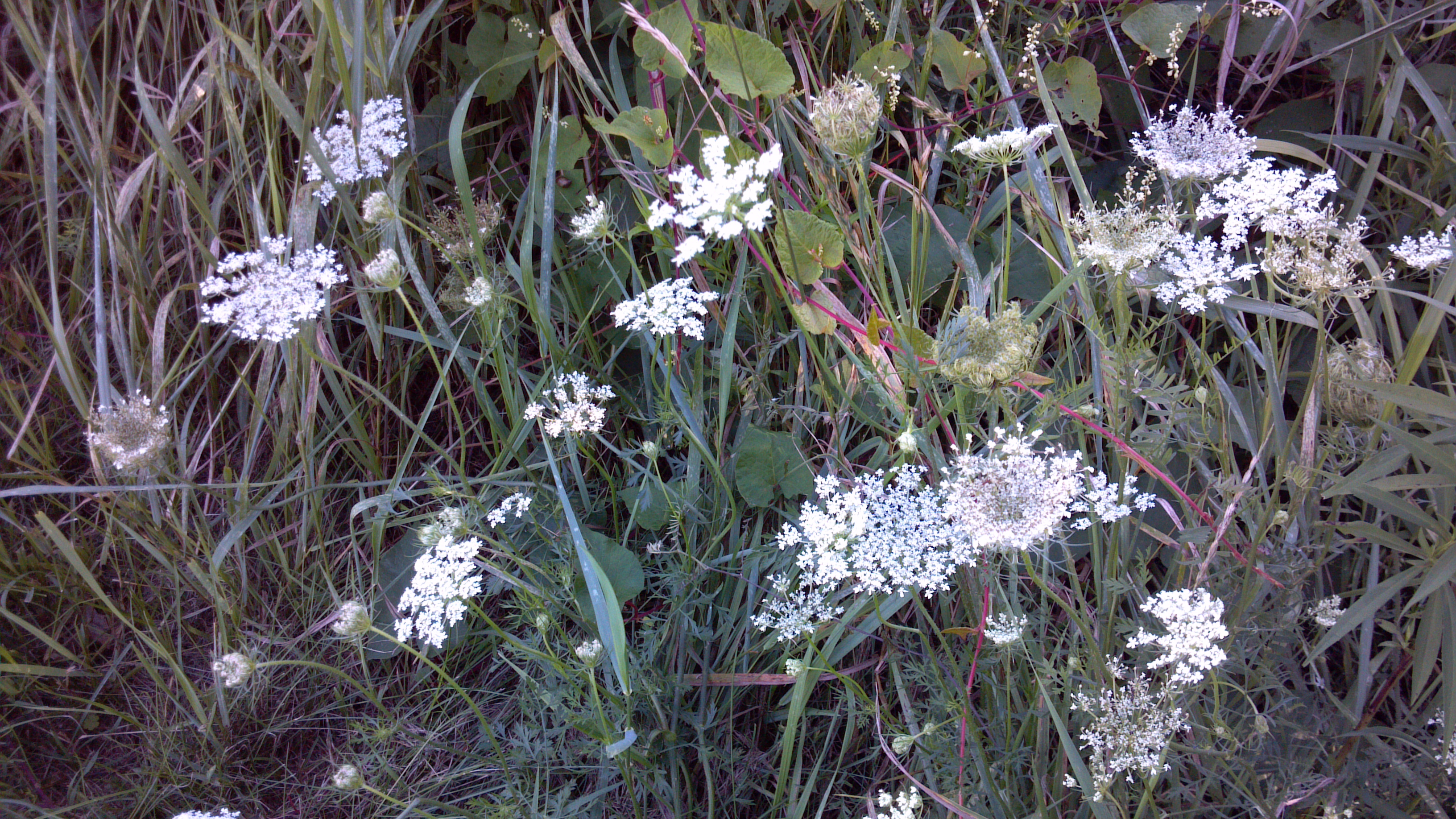
Queen Ann's Lace with BindweedThe daily and weekly routines Stephen and I once had have been lost to the Covid 19 virus. Things we took for granted–trips to the library, going to the movies, eating in restaurants, and more have all been sacrificed to our safety. We must avoid exposing ourselves to a virus that can take a life with one simple breath. Although I have been alive for many years, this is like nothing I have ever experienced. I find it remarkable how my life has changed from what it was a mere few months ago. If you had told me last fall what my life would be like today, I might not have believed you. I certainly could not have imagined it.
I did have peripheral experience with a polio epidemic when I was growing up. I remember summers of rampant polio cases in the 40’s. Prior to the vaccine that eradicated poliomyelitis, many children succumbed to it. There are still adults today with legs crippled from polio as children. One of my sixth-grade classmates caught it. As I recall he was paralyzed and placed in an iron lung. I have a memory of seeing him in it, only his head visible. One parent I knew wouldn’t let her children drink any water that wasn’t bottled. She even made them brush their teeth with bottled water. Children, who were especially vulnerable, were supposed to avoid the beach also, though I am not sure why. Perhaps it was for the same reason we avoid crowds today for fear of Covid 19.

Losing our small pleasures is an insignificant price to pay for staying safe. Wearing a mask in public is a courtesy Stephen and I are glad to practice. It is like saying, “I care about you, stranger, and I want us both to stay safe. How long will it be before Stephen and I go to a movie theater again? I have no idea and I won’t even try to guess. The Spanish flu of 1918 took many lives and lingered even into i920. My own grandfather died from it. My grandmother, as was the custom, wore black for seven years. My mother told me that was the reason my father never wanted her ever to wear black.

It is strange to me that the tenor of our days has so altered. Before the onset of Covid 19, My life held few surprises. I never thought twice about going to the library or to a movie—and suddenly, I no longer could. It was just not there to do. Fortunately for us, Stephen has collected a quantity of videos o all kinds, and we could even make our own popcorn if we wanted. Yet I have come to understand that it’s not the film but the experience: going to the theater, sitting with others laughing or weeping, that I miss. I can get takeout from a restaurant, but I don’t get to hear the other diner’s murmur of conversation or get to chat with the waiter. When the day comes that we can mingle freely, without face coverings or fear, I will rejoice. Until then, while I may mourn my missing enjoyments, I’ll not risk my life for them.

How Much Is Enough?

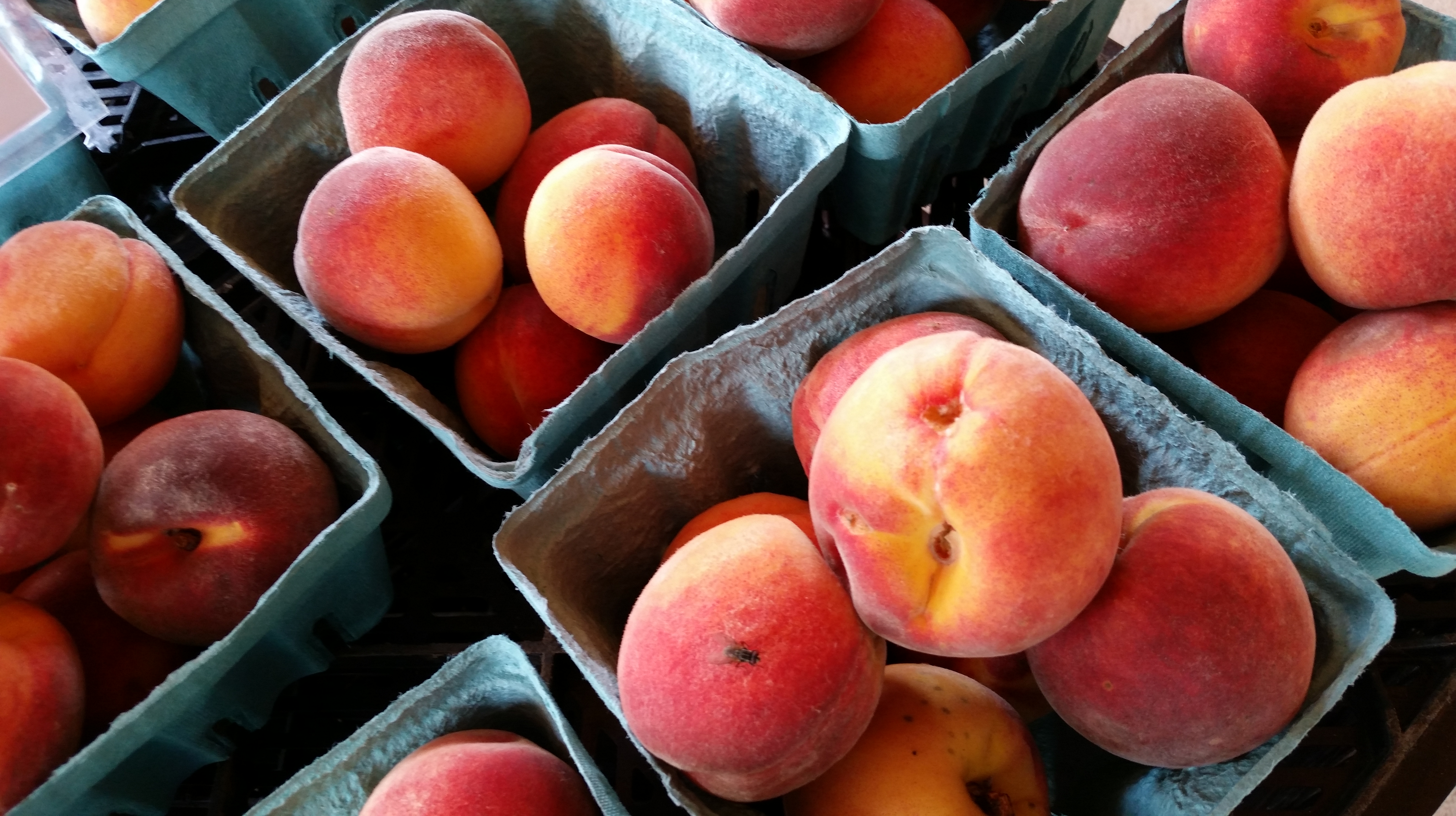
20180829_104856           When I was a young wife in the fifties, my father helped us buy a house in the small town where I had grown up. Just outside my kitchen door was a garbage pail sunk into the ground. I would step on the lid, dump in my orange peels, potato peelings, stale food, etc. and once a week a man would come by with a big truck, pull out the bucket, empty it into his truck, and along with all the other garbage he had collected, take it to feed his pigs.

His piggery was deep in a wooded area and the smell bothered no one because it was quite isolated. I expect that today his pig farm would have been deemed unsanitary and done away with. Then it fitted in with a more appropriate attitude of the time of waste not want not. It made a good thrifty use for what otherwise would go to waste. In those days there was a more sensible attitude toward what we have and what we need, or so it seems to me. The Covid 19 crisis seems to have exacerbated a prevailing need to have more and more.

Not long ago people were treating toilet paper as if it were about to vanish from the earth. One person even spotted a woman loading her SUV with an entire tray of rolls from a Walmart. Other items vanished from shelves as people reacted out of fear of lack. How much I need is one amount. That need springs from a logical, rational approach to having. How much I want may stem from a fear of loss, a desire to own more than I already have, plain greed, or envy driven by a competitive nature.

Need and want are such different conditions. Operating from an awareness of need is different than operating from a feeling of want.   I once read a story told by someone waiting in an airport who overheard a mother and daughter saying goodbye to one another. As they embraced, she overheard one say to the other, “I wish you enough.” The other replied with the same words. At first it seemed a curious thing to say for a farewell. As I reflected, I realized that to have enough is actually an absolutely perfect condition in which to be.

When I have enough, I have the space to put it. When I have more than enough, whether food needing refrigeration or clothing to find room for in our shared closet, I have to become creative about fitting whatever it is in. I may end up shoving things to the back of the refrigerator and losing sight of them, or into the back of the closet and doing the same. Then what I have lost sight of may become either moldy or essentially useless. It is said that much food goes to waste in this country, and no doubt leftovers may be a large part of that food.

Raised in a New England family by a thrifty German mother, I try to be very mindful not only about my leftovers but also my wardrobe. My beloved, however was raised by a mother who enjoyed abundance and showered it on her family. Sometimes we experience minor conflict around our divergent opinions. As the days go by, my refrigerator goes from full to empty and back again. Our closet, too has its moments. What matters to me is that we work out what constitutes enough for each of us, and that we make peace with our different opinions.


Comments? Questions? Suggestions? Write me at tashahal@gmail.com

It’s Hearty Soup Weather

2014-09-16 15.36.53 During most of history, people ate what they had put away for the winter in their cellars and barns. In Colonial New England, unless someone had a greenhouse a midwinter salad was unheard of. In the Middle Ages in Europe and Russia, fasting during Lent was a necessity because what little food was available to most by late winter had to be hoarded and used carefully. People ate with the seasons. Forty years ago on a late spring trip to Russia with my mother I recall cabbage being served to us daily. It keeps well if properly stored.
Root vegetables can stay fresh for months. Turnips, Carrots, Rutabagas and winter squashes keep when in a cold place. I recall the root cellar in my Great Aunt Alice’s large garden—a deep hole with a wooden cover where vegetables could be safely stored for the winter months. I prefer to eat with the seasons. I feel healthier eating root vegetables often in fall and winter.

One thing special thing about fall is that my appetite returns and I can eat more without gaining weight. Those extra calories burn to keep me warm. However I do not eat more empty calories: i.e. desserts, snacks, sweets. Instead I eat more vegetables and healthy carbohydrates. Soup calories are always good fuel for the body. Hearty fall and winter soups are made with root vegetables, winter squash, beans, and other appropriate ingredients.

Sturdy herbs like thyme, oregano, rosemary and tarragon add flavor and food value to these soups as well. I begin most of my soup recipes by sautéing chopped onion, finely chopped celery, and ground garlic (not garlic powder, that has less flavor) in butter and olive oil. The mung beans in this recipe can be found at any health food store if your market does not carry them, and are a nice change from the more commonly used lentils or other kinds of beans.

My mung bean soup is a little different from the average bean soup. For this hearty recipe sauté ½ cup onion and 1 cup celery chopped small in 2 Tbs olive oil and 2 Tbs butter until transparent. Add 1 tsp each of thyme, rosemary, curry powder, and ground garlic . Stir in 2 cups peeled, chopped firm potatoes and 1 cup or more sliced carrots. Add 2 cups beef broth, and 4 cups water. Bring to a boil and simmer for an hour or so, until vegetables are tender and soup is tasty.

Cauliflower has become popular lately. I have seen versions of it prepared in many ways. This is my cauliflower soup: Thinly slice ½ to ¾ of a large cauliflower and 1 or 2 large carrots. Simmer in 2 cups water until soft. Meanwhile, Sauté 1 medium onion and 6 cloves garlic chopped, black pepper and your choice of seasonings in olive oil. Mash simmered vegetables and add sautéed ones. Add 2 cups chicken broth. If desired, thicken with leftover mashed potato or a roux made from 2 Tbs butter and 2 Tbs flour stirred over medium heat, with 1 cup added liquid of your choice stirred until smooth and thick.

Agreeing to Disagree

2014-09-16 15.36.53My parents frequently discussed decisions, disagreed often and usually did so at the tops of their voices. They were a fiery couple and yelled their feelings vociferously. We did not have any neighbors nearby and no one could hear them but me. Though there was never any physical violence between them, I do remember the day my mother hurled a plate of scrambled eggs at my father. He ducked and it sailed into the closed window behind him, breaking through it, to land and shatter on the stone terrace beneath, breaking through the wood.

Their fights were scary for me. As a young child I found their loud discussions difficult to bear. I vowed I would never do that to my family. When I married my late first husband it was with that thought in mind. I worked extra hard to keep the peace. I made sure we did not fight or even disagree  in front of or within hearing of our children.  Also, he was not one to express his feelings anyway. Actually, he did not like to discuss them at all. He made the rules. Our marriage did not survive the rough waters of silent dismay and disagreement.

When Stephen and I first got together I told him that if our relationship were to last it must be based on honesty. As I explained it, what that meant was that when one of us had negative feelings to express or was uncomfortable about something, that person must be able to talk about it freely. He agreed to this and our relationship just passed its forty second year.

Very rarely have we had what could be termed a fight. We do bicker, and we do discuss, and sometimes we need to just say, “I hear you,” and let it go.  No matter how much you may love them it is impossible to agree on everything with one’s loved one. For instance, Stephen finds it easy to ignore his piles of various possessions, clothes, papers, etc.. He doesn’t care how much they accumulate and though he may try to be neat, it’s just not one of his priorities.

We differ radically on this. To my way of thinking , insofar as I am able, to arrange it there’s a place for everything and everything goes into its place. This often creates opportunities for discussion between us. However, because frequent communication is the bedrock of a good relationship, this is good. Talking about how we feel keeps the feelings from piling up and becoming negative behavior. Mutual respect keeps conversation civil, and when we agree to disagree, love prevails and so does harmony.

Though you may not agree with everything a loved one says or does, when you love him or her wholeheartedly you can respect his or her opinions enough to allow him or her to keep them. That does not mean there is nothing to discuss. That discussion is the glue that keeps rhe relationship together. It is important to express your own feelings as well as to allow those of your loved one to be heard. Most importantly, it is vital to speak with tact and gentleness rather than sarcasm and bitterness. The eyes and ears of love are kind.

Mourn and Move On

Fall Maple Gold 2 When I was small I had a small cemetery. It was beside the church I had set up in a corner formed by a chimney and the wall of a small greenhouse. My family lived in the country. We had chickens and at one time some ducks. Baby chicks died and I buried them  there as well as the other assorted creatures whose deaths went unmourned except by me. My acquaintance with death came early and in a natural way. This was of help to me later.

Laurens Van der Post, a South African author whose writing I respect, once wrote, “There are some things we never quite get over, however once in a while we go back, pat them on the head and say, ‘How are you doing old fellow?'” In this instance he was speaking about his time in a Japanese prison camp, where he was very cruelly treated. I have remembered this quote for many years. It has been very useful in reminding me not to dwell on past grief, yet not to suppress it. The recent unnecessary death of a poet friend helped me to recall this.

When anyone special o us dies, it reminds us of others of whom we are fond who have left us. Yet it is well to remember them with joy rather than regret. I will treasure in my heart my friend’s funny emails and his amazing adventures. He was a unique character with a huge, loving heart and a mission to try to help every woebegone that crossed his path whether or not they deserved to be helped. He also had a way of getting into trouble. As well he had several bad habits, one of which resulted in his premature death. Rather than blame him for his foolishness I will bless him for his courage in pursuing his life the way he wanted to—whether I thought it was a good way or not.

When you live a long life as I have, you do “lose” people that you have, for one reason or another, outlived. Whether these were members of your family or your friends, along with the current grief the sadness of their passing may easily come to mind. In addition, in our lives there are other instances of departure or absence: the job we didn’t take or did, the home we bought or didn’t, the gift we meant to give, even the words that went unsaid or the ones we wish we had not spoken. The grief engendered by regrets small and large can consume us if we let it.

It is important for us to grieve and let go. It is vital not to carry these burdens any longer than necessary. There is a Zen story of two monks who came to a stream where they found a woman who was afraid to cross it. One monk picked her up, carried her over the stream and set her down. As they continued, his brother monk began to berate him for touching a woman’s body. Finally the first monk turned to his friend and said, “I set the woman down a while ago. You are still carrying her.”  There is no need to carry our grief endlessly. We can let it be on a shelf in our memories and then once in a while, go back and pat it, and say, “How are you doing, old friend?” And then go on to find a happy memory to continue on with.