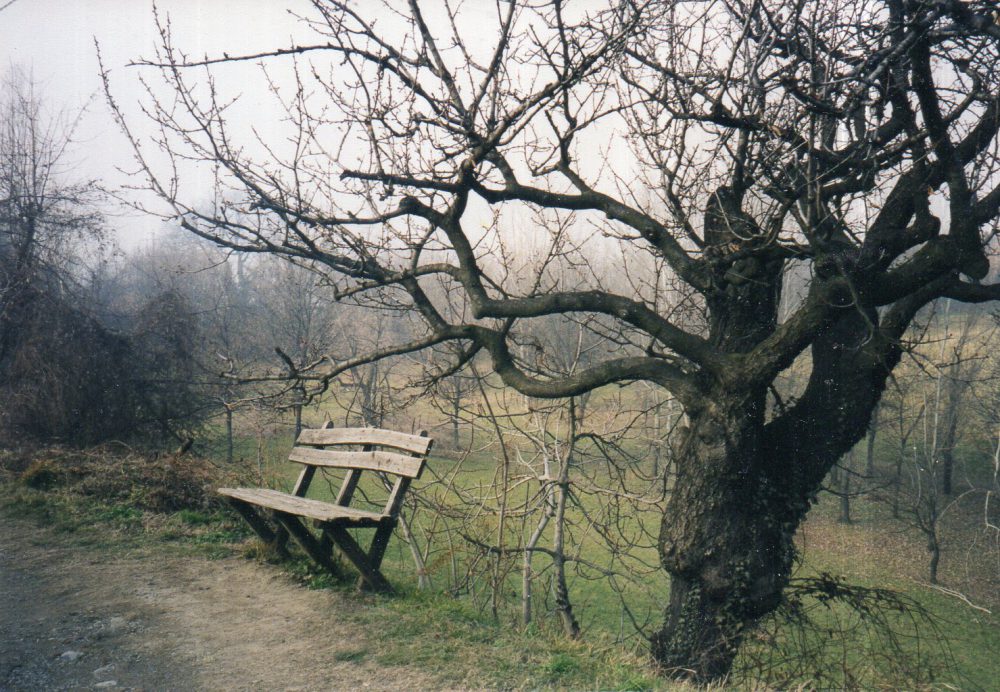
Heartwings says, “It is very helpful for one’s reach not to exceed one’s grasp.”
Reaching for things is somewhat more challenging for me than it used to be. I am often faced with the need to ask for help. Fortunately, Stephen is usually available, and though he has also shrunk, at least he is much taller than I am. Sadly, I have diminished from five feet four inches to five feet one and a half or maybe two. In addition, I have lost flexibility. Asking for help is getting more necessary, and I am getting more used to doing that. It seems there is always more to be learned.
In a yoga class and lecture that I attended many years ago now—yet somehow it seems just a year or two have past, the visiting sage told us this. “My mantra is I know nothing; I want to learn.” I balked at first at the seemingly negative affirmation. Affirming I know nothing? That didn’t sound right. But affirming I wanted to learn, did. So, I gave the whole sentence some thought.
Eventually, light descended upon my brain, and I finally understood. This sentence describes what is called Beginners Mind. What that means is that at the beginning I expect to learn, so it is important not to cloud the mind with what I think I might know. When I think I know something, my mind does not generally seek more information.
If I think I have grasped whatever it is I need to learn, I most probably will no longer reach out further with my mind. It is more important than you might think for your grasp to exceed your reach. Because there is always more to be learned, whether it is the how-to of a project, the pitfalls, or else the simple understanding or a further interpretation of what something might mean. We cannot always know how much more there is to know.
When I look at each day with a beginner’s mind attitude, there are wonderful conundrums that arise. They give me something to think about other than the dismayingly negative tales of misbehavior that often comprise the daily doings of the world at large. The arguments and disagreements people have that stoke violence could so often be resolved by a better understanding or even a simple agreement to disagree.
For me the world I live in is filled with interesting experiences to be explored with discoveries to be made along the way. Perhaps because I am a poet, I especially delight in finding beauty that has simply created itself. The lovely weeds right now along the roads, waving in the breezes from passing cars, are a delight to be seen. The delicate Queen Ann’s lace, mingled with the tall, graceful Artemesia are probably destined eventually to be cut down, yet each day they remain, they fill the eye that gazes upon them with their beauty. I am grateful to be able to see them and to find something so special within my grasp.
May you be able to look upon life with a beginner’s mind.
Blessings and best regards, Tasha
PS Do you have comments, questions, or stories to share? I would love to hear from you, and I find great joy in your correspondence.
 I used to chafe sometimes at my lists of things to do—sigh and say to myself, oh if I only had more free time to write poetry or organize, edit and tidy up my writings. It seemed to me that what I thought of as my daily or sometimes weekly drudgery took too much of my precious time and energy and I resented it. However, that was before the onset of the pandemic and the seeming disintegration of all that has constituted daily life and living, both personal and for my country.
 Do you take satisfaction in what you may have accomplished? Or do you tell yourself you could have done whatever it was better, or done more? Most of us have a critical voice inside that will not let us be satisfied with what we may have done, even though we may well deserve it. That critical voice can originate early in life from a parent, a teacher, or a boss. Now it has become a part of us as adults, and it robs us of the joy we might take from our satisfaction. To be satisfied may actually take courage, the courage to admit we have done something worthwhile.
 I’ve never been a competitive person. Usually a sense of competition kicks in around the age of four, when a child gains a clear understanding of “me” and “mine.” Even then there is often a desire to share unless the child is surrounded by competitors. When I was growing up competition was the rule and the idea of a game that required cooperation instead was unknown. I did not enjoy the competitive world I grew up in.
 I took the red and white baking dish out of the drawer under the oven and set it on the counter. An image of the person who had given it to me rose in my mind, and I sighed. We had been friends for many years. Now however she had joined the angels that she so often spoke of. Her faith was strong and she shared it on occasion though not intrusively. A colorful character, she was always fun to see and over the years she had given me other gifts I cherished.
 Pay a visit to the Museum of Russian Icons in Clinton MA and you will see a wonderful variety of angels as well as many saints. Ancient and modern icons from Slavic countries, collected over decades by the founder, Gordon B. Lankton, line the walls of this wondrous building. Their programs and exhibitions are special too, and their gift shop holds many interesting and often inexpensive items you will not find elsewhere. As you peruse the rooms, angels of every description, as well as saints gaze at you with farseeing eyes.
 During most of history, people ate what they had put away for the winter in their cellars and barns. In Colonial New England, unless someone had a greenhouse a midwinter salad was unheard of. In the Middle Ages in Europe and Russia, fasting during Lent was a necessity because what little food was available to most by late winter had to be hoarded and used carefully. People ate with the seasons. Forty years ago on a late spring trip to Russia with my mother I recall cabbage being served to us daily. It keeps well if properly stored.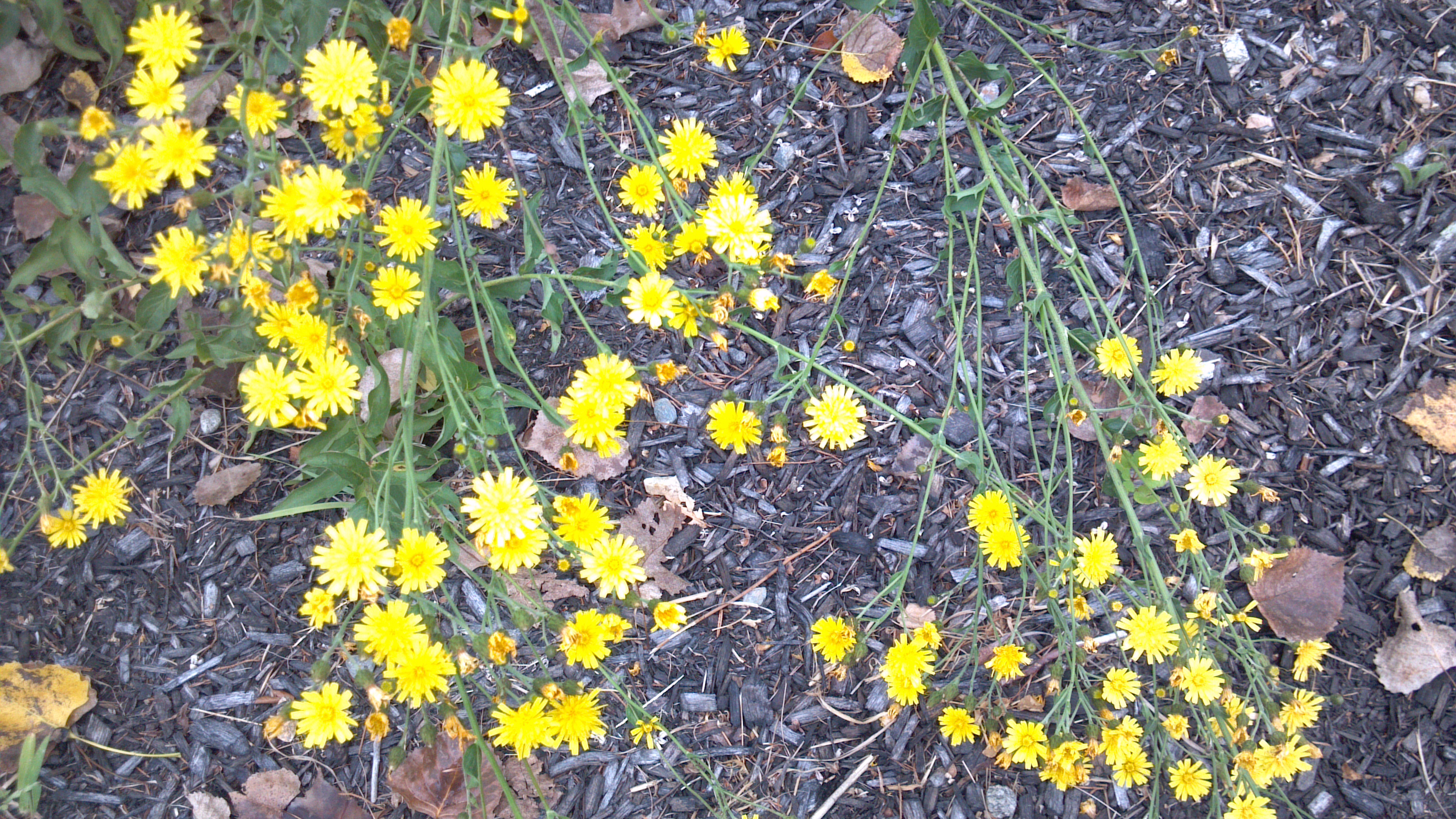
 My mother did not have good training for the task of mothering. Her mother was the wife of a diplomat and spent her days doing what she needed to do to support my mother’s father in his position. Her children were cared for by nursemaids and tutors. I knew her briefly: a proper, formal woman who came to live briefly in the states in the late forties. I was a young teen at the time, not very interested in this elderly person. Now of course I wish I had asked her more about her life. She returned to Germany and passed on soon after. Ill prepared as she was, my mother did the best she could, and I honor her for it.
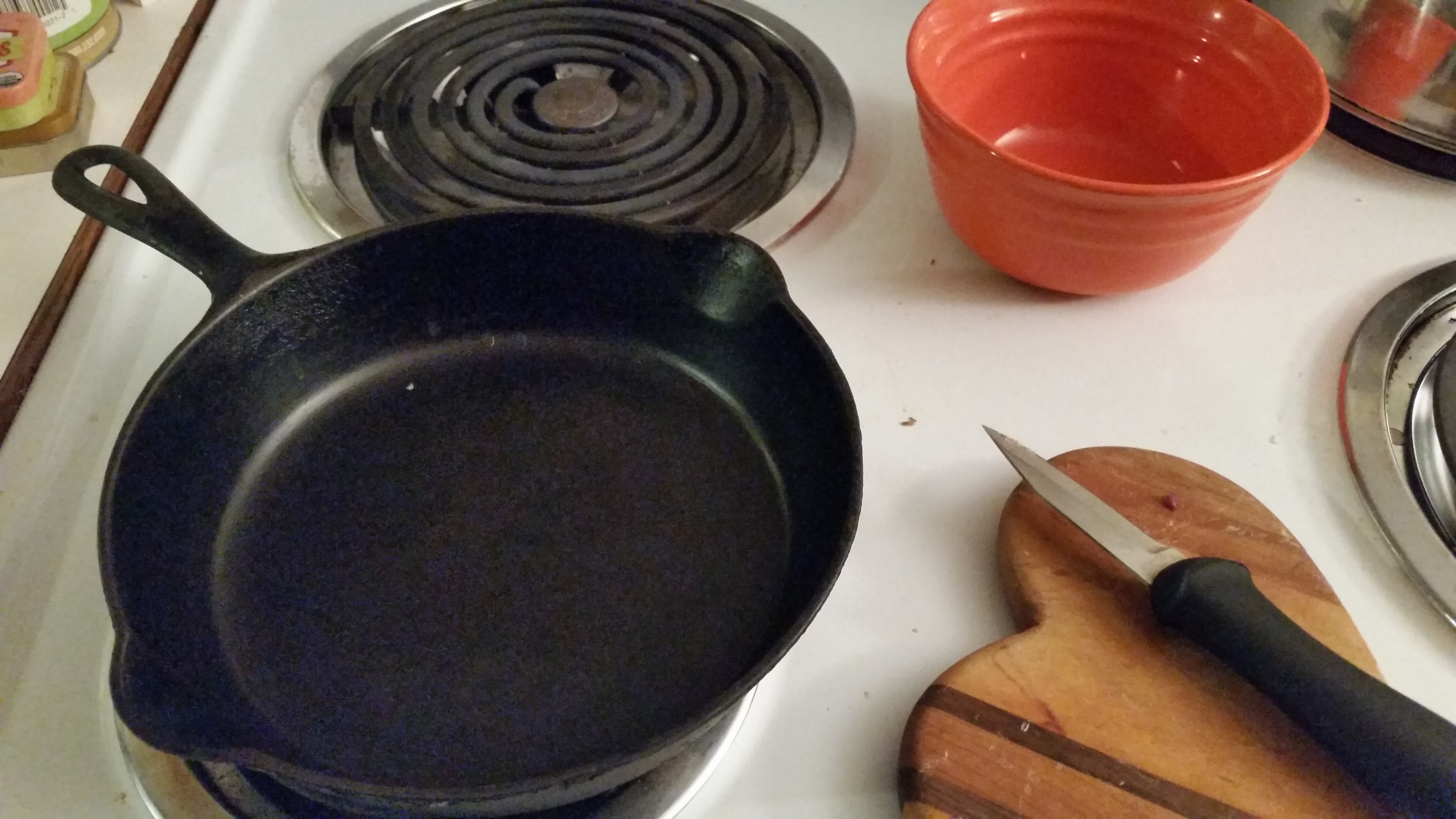 Though I’ve never had it or made it myself, I remember Goldenrod Eggs–a dish made with hard boiled eggs that my mother served at luncheon parties. The eggs were carefully hard cooked—never boiled as this turns the yolks green. The whites were chopped up and stirred into a white cream sauce. This was spread over toast with the crusts cut off and made into triangles. The yolks were then pressed through a sieve and sprinkled over the top of the creamed whites.
 Pujakins