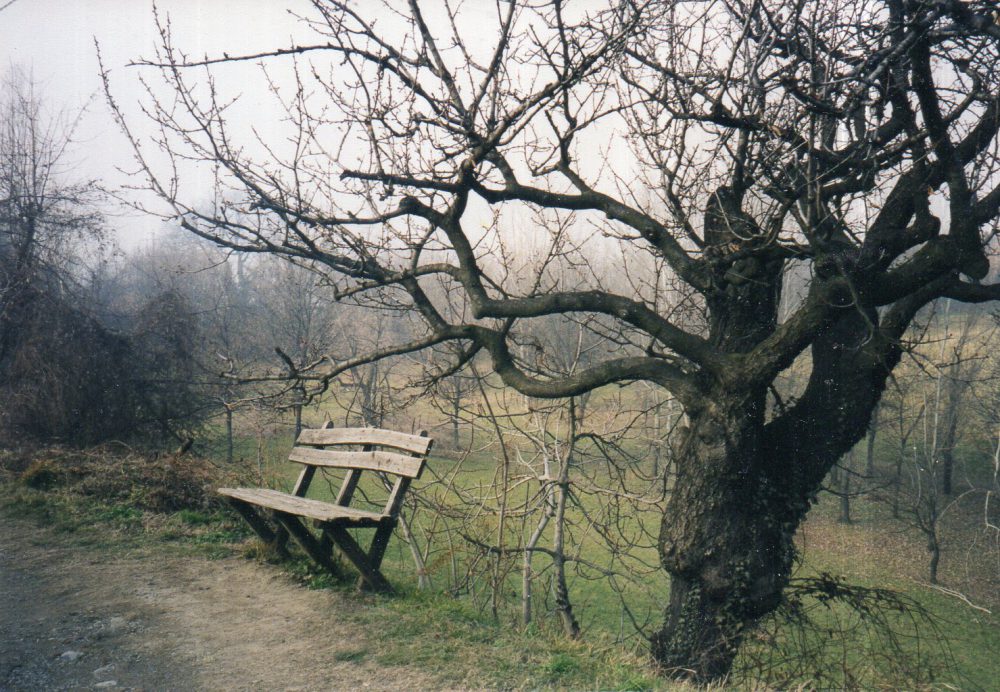
 When I was growing up it was my responsibility to care for the chickens. In the winter what that meant was carrying a heavy bucket of water from our house the thirty or more yards to their coop. The spring I was twelve the wetlands near the coop flooded and there was plenty of water right there. I took advantage of it. However, something then happened to the chickens. They began dying. Apparently, they had somehow caught a disease.
My parents called me into the living room. They were sitting on the sofa looking stern. They asked me if I had been doing anything different for the chickens. “No,” I lied. Then they faced me with the evidence. My great aunt’s gardener had seen me getting the water from the swamp. Uh oh! I don’t remember my punishment—probably a suspension of my allowance. Sadly, I didn’t really learn my lesson then, though eventually I did. I was often too fearful of the consequences to tell the truth.
Many if not most of us are. The vase is broken, the favorite toy ruined, the car dented and we hear: “He/she made me…” or “I couldn’t help it.” Heard that before? This familiar copout is often every child’s first response—except perhaps for, “I didn’t do it.” How do we teach children to take responsibility for their actions? It isn’t easy and every parent has his or her idea how best to accomplish this. Sometimes they manage to make that happen, and the child grows up to be a responsible adult.
However all too often even as adults we are reluctant to take the responsibility we need to for our own actions. We may be afraid of the results when someone finds out. I know often I was, or we may not want someone to think ill of us, as in “how could I be so stupid as to make that mistake?” There are as many reasons as there are situations. The bottom line is that we do not like to admit to being ill advised, ignorant, or just plain absent of mind.
Blaming is something many do when they want to get out of a situation where they feel trapped or one that will lower their value in another’s eyes and mind. The problem with playing the blame game is that not only is it dishonest, it is also unkind to the person or persons we may be blaming for our mistake.
I learned to own up to my responsibility only as an adult. My husband Stephen was actually the one to help me to do this. He would not allow me to get away with evading it, and he would make sure I was ultimately honest. I’ve learned that honesty really is the best policy when it comes to admitting to wrongdoing. Feelings of guilt are thereby avoided as well as other consequences that may arise when and if the truth emerges—and all too often it will.
 I’ve never been a competitive person. Usually a sense of competition kicks in around the age of four, when a child gains a clear understanding of “me” and “mine.” Even then there is often a desire to share unless the child is surrounded by competitors. When I was growing up competition was the rule and the idea of a game that required cooperation instead was unknown. I did not enjoy the competitive world I grew up in.
 Of a recent Saturday, we were out and about checking the yard sales. While Stephen was perusing the items displayed there, I fell into a conversation with the person in charge. She had grown up in Grafton and spoke of how much had changed in the years she had lived here. I agreed. Although we have lived here only thirty years as of this year, we too have seen many changes. This got me to thinking about how it was then compared to how it is now.
 While at Thanksgiving we are reminded to be grateful, that is surely not the only time to do so. it is vital to remember to be thankful frequently each and every day of our lives. For some time now I have begun and ended each day with this little prayer: “Thank you for this day and for all my days.” As often as possible each and every day I remind myself to acknowledge my gratitude for any good experience and even those that might not have been so good, because of the knowledge gained.
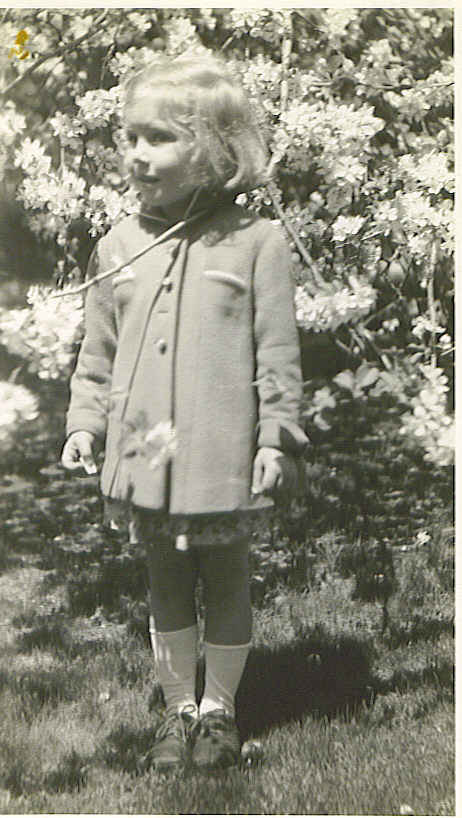 and death or even disaster was to be spoken of, someone would say, “Not in front of the children.” The subject would be changed or I would be told to go off and play so the adults could continue their discussion. Yet because we had animals, death and change were part of my life. I witnessed the drowning of baby ducks and the demise of baby chicks. It was hard when a dog got into my pet rabbits’ pen and maimed them. My aunt’s gardener had to–as I was told, “put them out of their suffering.” Death was no stranger to my childhood. I am neither uncomfortable with it nor afraid of it.
 When I first learned to read I fell in love with the printed word. After that I devoured as many books as I could get my hands on. Like many children, once in bed at night after I was supposed to be sleeping, I hid under the covers and read by flashlight. If I woke up ahead of my parents as I often did, I did, I pulled up my shade for more light, or perhaps again used my flashlight. Reading wherever I was every chance I got, I accumulated knowledge and stimulated my imagination giving me a rich childhood and a good basis for expansion as I grew older. I still love to read however I no longer use a flashlight under the covers nor do I fear the approaching footsteps of a parent suspicious of my eagerness to go to bed.
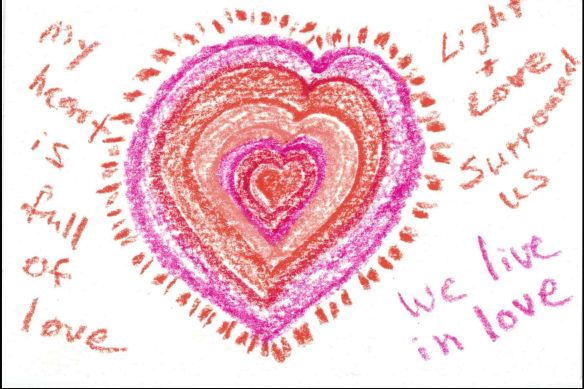 Saint Valentine may or may not have actually existed. In fact, research reveals that there were not one but three Saint Valentines in all, with various details to their lives and deaths though all were martyred. The general information on the Internet indicates they were killed for performing marriages that had been forbidden by the Emperor Claudius the Cruel. It is also said that the Christian church took advantage of a popular pagan festival of that month, substituting the celebration of St. Valentine’s beheading.
 Long ago when I first used to drive myself places I hadn’t been before, following directions I had been given, I used to get lost three or four times until I found my way. Later on I would try to use a map, however having issues with right and left and getting them mixed up, I often just had to rely on asking wayward strangers for help. Then the GPS came along and it seemed miraculous to simply plug in my destination and tell the kindly machine to take me to it. Alas sometimes it works differently than one might expect. Which is what happened to me and some friends on our way to a performance in Medfield.
 Pujakins