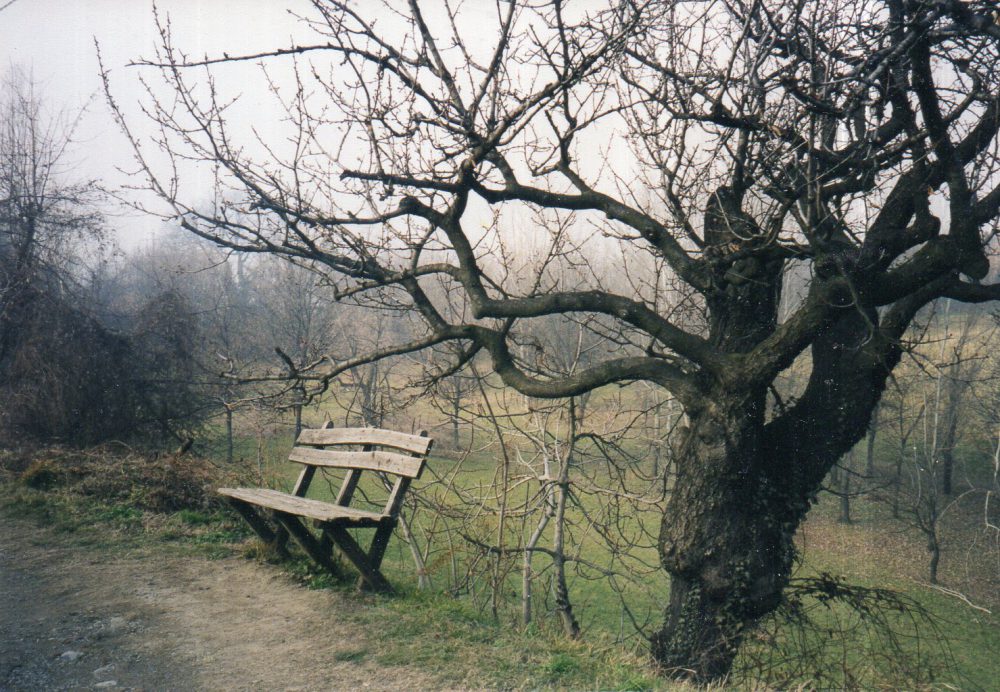
Heartwings says, “Putting things back where they belong is important.”
As a child I was taught to be tidy. Emily, the practical nurse my parents hired to help care for me when I was around two or so, tried hard to make sure I learned to put my toys, and later, my clothing away. She was with us until I was around eight years old when she left to get married and have a family of her own. Unlike my mother, she was patient and physically affectionate.
I am not faulting my mother in any way. Her behavior was molded by her upbringing. While kind and a good mother, she grew up with strict German parents who did not encourage demonstrative behavior. Even as a grandmother she was reluctant to accept or to give physical affection. Fun and fond behavior was not a priority, neatness was.
Once I was married and had children of my own, I did my best to be as tidy as I could. This grew more difficult with each addition to the family, which eventually added up to five children. I didn’t have a lot of time to devote to being neat or organized. My mother often criticized me for my “messy house,” and it never seemed to occur to her that there was a good reason for this. I thought it was more important to enjoy and care for my children than to be neat.
Neatness does have virtues beyond looking nice. Having things in order means when I need to find something, I’ll know where it is and can find it without any difficulty. That is why the saying, “a place for everything and everything in its place,” has been my guideline as long as I can remember. For instance, I try hard to keep all of my tools where I can easily reach them and as close as possible to where they will be used. Being a systematic Scorpio, I have sectioned off the shelves in my pantry by assigning them to what I can make or do with the contents.
However, unfortunately this works as long as I am the only person putting things away. Also, there often is more to be put away than the shelves can conveniently hold. This results in items get shoved to the back, effectively disappearing from view and becoming unavailable. So, although I no longer have little children to run around after or an eagle-eyed mother judging my attempts to be tidy, I struggle still with my tidiness conundrums.
The current state of my health doesn’t help either. Despite Stephen’s great help, much does not get done. There are days I simply only have enough energy to cook meals and see to my immediate emails, not to mention attend doctors’ appointments. Prioritizing becomes important, and as it was once so it is again: I do what is important and let the rest go.
 Days and nights are equal now that it’s the Equinox, and it’s time to think balance. Green vegetables bring cleansing to the body and help eliminate the winter accumulation we inherit from the cold months. The following recipes can help. It’s good to connect with each season by serving the seasonal fruits and vegetables. This recipe uses dandelion greens, available in markets in the spring and later in your yard all later spring and summer,(though not tasty while they blossom) and either Asparagus or any leafy green such as kale, collards, curly endive, Swiss chard or spinach.
 On the rare occasions when I have been without anyone to cook for except myself I found that I had very little interest in making my own meals. While I truly love to cook for my friends and my family, in my experience, it brings me been little to no pleasure to cook just for me. Lately, I haven’t had to deal with that problem, and while I hope I won’t have to in the future, if I do, I will try to think differently. This attitude may be why most if not all of the retirement and assisted living communities have food plans included in their fees, as well as dining rooms that serve up to three meals a day.
 At the time I was born my mother was newly come to the US, a bride of less than a year. Except for my father, she was very much alone in a big city, and I was her only companion for quite a while. I have often thought that my persistently positive perspective on life may have had its roots in my trying to cheer her up when she was sad and missing her family and friends back in her home country. Over the years since I have come to understand the power of a positive perspective on a potentially negative situation or experience.
 My parents both gardened, but differently. My mother had a vegetable garden; my father grew flowers. She spent her summers growing, harvesting, and putting up what the garden produced. He filled the house with fresh flowers in vases. His roses were lovely. He worked as an arborist and summer was a busy time for him as he helped others plan and tend their property. I always had a little garden of my own. I too grew flowers.
 Even as a small child I was aware of the chaos of war. During the second World War my mother’s parents were still in Germany. My mother had not heard from them for almost ten years. Finally when the American forces broke through, her parents were able to communicate. I watched her wrap packages with food, clothing, and other necessities. Although there was still chaos and difficulty in Germany, at least my mother’s heart was at peace.
 Pujakins