 Even though she didn’t like to cook, my mother would not allow my father to do so. She said he burnt everything. She had a strong fear of wasting food. Later I think he occasionally tended a barbecue, however they were not in vogue when I was little. I have early memories of him polishing the family silver. My mother didn’t do that and didn’t wish to even display it. We had many different pieces. They were family heirlooms, inherited from elders who had passed on. I remember a huge tea set with lots of shiny parts to it that rested on a big silver tray on a large wooden sideboard. My father loved and cherished it.
As it is wisely said, no one is perfect because God isn’t finished with us yet. Perfection may be something to strive for, and attaining it is most likely impossible. People are people and bound to mess up. Fathers can’t be perfect either. Some are cruel, whether consciously or unconsciously. I knew someone once who said that her father used to tell her and her brother to jump of the kitchen table and he’d catch them, only he wouldn’t. He told them he wanted to teach them not to trust what anyone said.
Doubtless he meant well. Perhaps he had suffered from believing, himself. My father would taunt me and my siblings when we made mistakes. He wanted us to toughen up, learn not to care what people thought. Did he succeed? I believe he did, however it took a while to sink in. Meanwhile, I resented his pointing finger and his “ha ha” followed by some negative comment. That was not all; we had a lot of fun together too, and he could be very kind. I once came home to the apartment my young husband and I shared to find him sweeping the rug. I didn’t have a vacuum and hadn’t realized I could sweep it with a broom. He used to give me lovely valentines.
He bought me my first washing machine—it was state of the art for the time, with a rubber tub that squeezed the water out of the clothes. He taught me how to dance, and he was a good dancer. He gave me money for years, an allowance that helped greatly when I was first married. Later on he paid for my health insurance because he wanted to take care of me. No, he wasn’t perfect, and I didn’t care. I loved him faults and all. He lived large and had wonderful charm. He had a lovely smile and he smiled often.
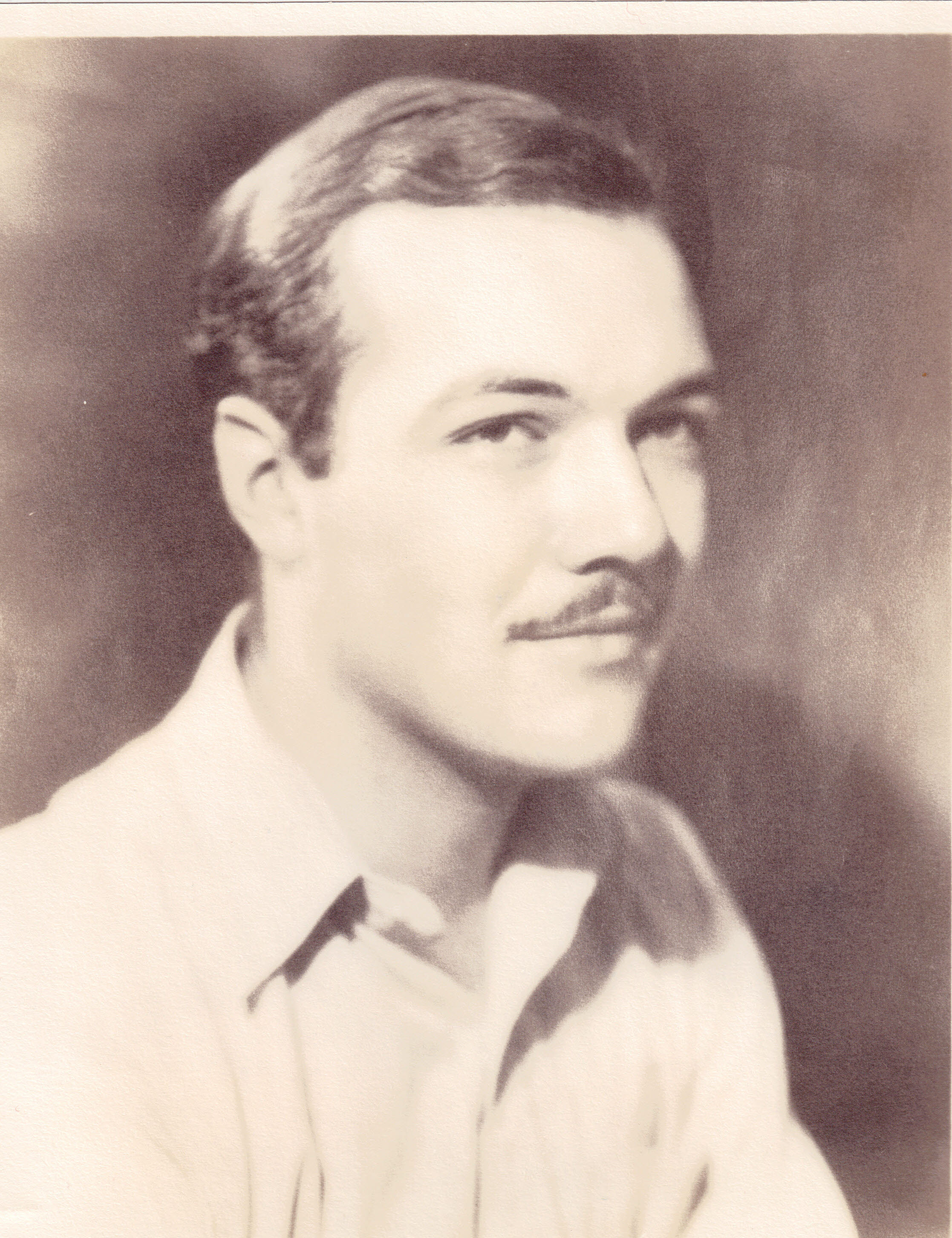
I miss him. Yet I miss most the father of my childhood and youth, when he was strong , energetic and good looking. He was a snappy dresser and loved loud ties and colorful clothing. Bad habits and ill health took their toll. His later years were not happy and he declined mentally. It was difficult to see him so diminished. Yet once in a while the old smile radiated from his face and sometimes he told a joke or said something cute and funny that recalled the man he had been when I was little, and we used to build sand castles and jump the waves together.
 There is a wonderful song by the Kingston Trio from the 60’s I believe, about lemons. It contains a real truth concerning them: they must be sweetened to taste good. The chorus goes: “Lemon tree very pretty, and the lemon flower is sweet, but the fruit of the lemon is impossible to eat. Very true, and it is also true that lemons can do all sorts of things besides make good recipes..
 Of a recent Saturday, we were out and about checking the yard sales. While Stephen was perusing the items displayed there, I fell into a conversation with the person in charge. She had grown up in Grafton and spoke of how much had changed in the years she had lived here. I agreed. Although we have lived here only thirty years as of this year, we too have seen many changes. This got me to thinking about how it was then compared to how it is now.
 My father always made sure to put fresh flowers on the graves of two special friends on Memorial Day. Buried under two pink granite stones, they were an English couple far from home and family. My four year old self remembers them as two elderly people who smiled at me and gave me two porcelain statues of birds. Honoring someone once a year at the site of their grave is a fine act and the traditional way many choose. However, creating an ongoing memorial tribute could be an even better way.
 While at Thanksgiving we are reminded to be grateful, that is surely not the only time to do so. it is vital to remember to be thankful frequently each and every day of our lives. For some time now I have begun and ended each day with this little prayer: “Thank you for this day and for all my days.” As often as possible each and every day I remind myself to acknowledge my gratitude for any good experience and even those that might not have been so good, because of the knowledge gained.
 My mother did not have good training for the task of mothering. Her mother was the wife of a diplomat and spent her days doing what she needed to do to support my mother’s father in his position. Her children were cared for by nursemaids and tutors. I knew her briefly: a proper, formal woman who came to live briefly in the states in the late forties. I was a young teen at the time, not very interested in this elderly person. Now of course I wish I had asked her more about her life. She returned to Germany and passed on soon after. Ill prepared as she was, my mother did the best she could, and I honor her for it.
 Many years ago a wonderful little book fell into my hands. A small paperback by Claire Loewenfeld and Phillippa Back, it was called Herbs, Health and Cookery. At the time I was home caring for my five children and eager to find things to do there to make good use of my limited leisure time. Always interested in health and healing, I was fascinated to learn that the simple herbs I used to flavor my cooking could be made into teas to help in healing physical ailments. Recently I was happy to acquire a hard bound copy from the internet to replace my ancient paperback.
 On Easter after church, we usually went to dinner with my Great Aunt Alice in her big house next door to the cottage my parents rented from her. She would have a beautiful table with gleaning silver, fragile china and sparkling crystal goblets set in the large dining room she used for formal occasions. Once the soup course was done and dishes removed, people brought in to help, carried around platters of meat and dishes of vegetables. These would be followed by dessert and finally, finger bowls with a sprig of green lemon verbena floating in them. The silver candy dishes with chocolates I eagerly eyed all through the meal were finally passed around.
 Though I’ve never had it or made it myself, I remember Goldenrod Eggs–a dish made with hard boiled eggs that my mother served at luncheon parties. The eggs were carefully hard cooked—never boiled as this turns the yolks green. The whites were chopped up and stirred into a white cream sauce. This was spread over toast with the crusts cut off and made into triangles. The yolks were then pressed through a sieve and sprinkled over the top of the creamed whites.
 Pujakins