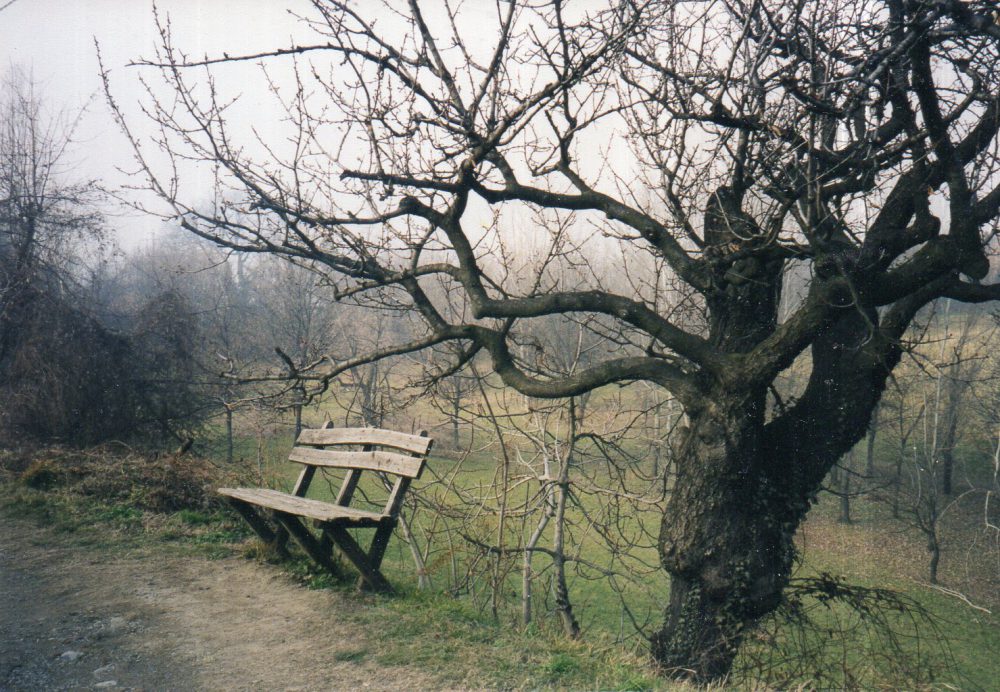
 When I was a young child Easter was an exciting time. I got to wear new clothes and a big straw hat. I remember one with a pretty grosgrain ribbon around it. The ribbon hung down in the back and in my memory it is blue. At Christmas and Easter we attended my father’s church as well as my mother’s. I liked his best. Not only did they sing hymns but also at Easter geraniums lined the church driveway for children like me to take home after the service. Then we would go to a relative’s for lunch and there would be candy after dessert. My mother did not approve of candy so we seldom had it at home unless someone brought it. That was my Easter celebration.
Easter and spring are synonymous. From time immemorial people have found ways to celebrate the coming of the warmer, lighter days and the passing of the dark, cold ones. When primitive cultures worshipped personalities that embodied seasons, they honored their gods and goddesses of spring, summer, fall and winter. Celebrations throughout the world centering on spring, especially in cold climates, had much in common with today’s Christian Easter.
The rising of Christ from the dead ends the period of self-deprivation or fasting known as Lent. The rebirth of the garden and the growth of new life is echoed in the Christian Easter observance. In the days before refrigeration and supermarkets, because the garden and the fields were bare and brown Lent was observed willy-nilly. In the cold climates all there was to eat were stored, dried vegetables, roots and grains. Nothing green was available. The growth of the first plants was something to be hailed as individuals foraged and found fresh vegetable matter to eat after the long winter months.
There was great cause to rejoice in the coming of the longer light and the warmer days. Different cultures evolved their own observances centering around their own deities and beliefs. Many of these customs have come down to us and are part of our observances today. The ways we celebrate our Easter, similar to our Christmas celebrations have become a conglomeration of the various cultures from which we derive our present day civilization. However they are all a reflection of the original reasons to celebrate: the coming of a time of growth and renewal after a period of hardship and sacrifice.
These customs all contain the affirmation that growth and change will proceed uninterrupted, and that the ultimate harvest will be a good one. The bunny that brings the Easer basket is Germanic in origin, a favorite of the goddess of spring. The symbolic eggs too come from there, as well as from other places representing symbols of new life. When you buy marshmallow Peeps or chocolate eggs, you echo the innocence of that beginning. The purchase of new clothes too is symbolic as is the Easter feast common to most families. What seems meaningful is not how we celebrate but that as from time immemorial we acknowledge the wonderful coming of warmer weather and brighter days for all.

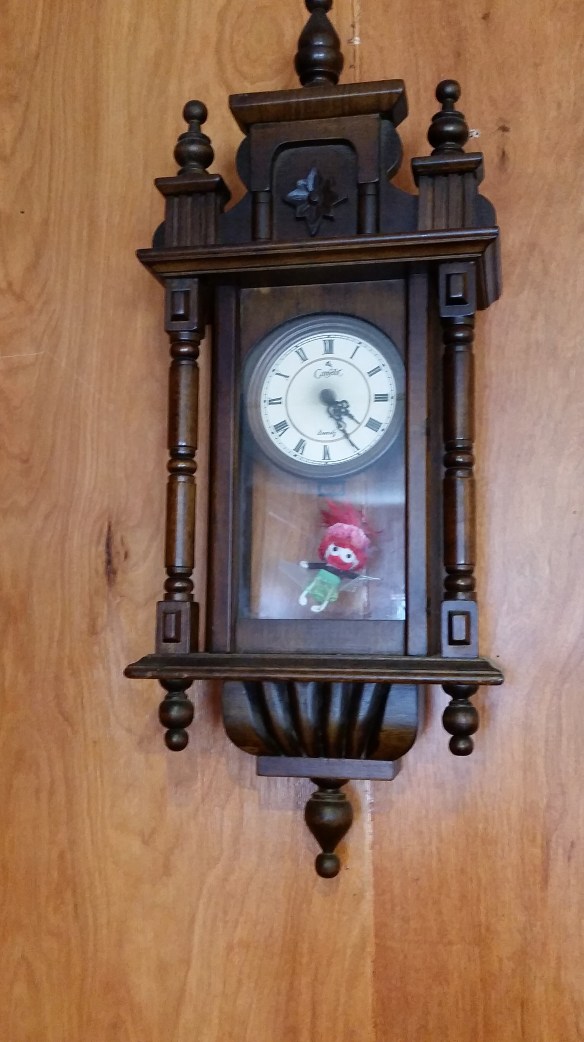
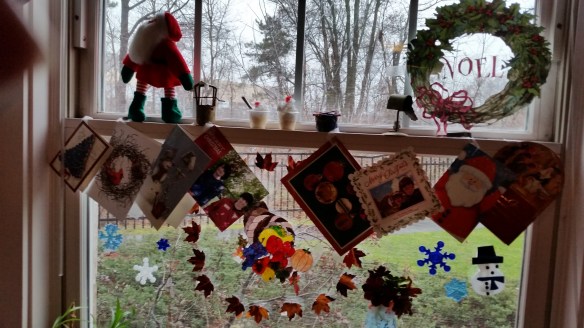 One of my fond Christmas memories is of my dad sitting by our living room fireplace wrapping and addressing his Christmas gifts to his workers and others with whom he had a working relationship. He was a horticulturalist and his company was on the North Shore where there were many fine estates and special gardens. He was good at designing views and helping the owners of the estates and their caretakers maintain their trees and shrubs.
 The house I grew up in from the age of four on had a funny little built in cupboard off the upstairs hall, My parents called it the box closet. It was lined with narrow shelves, perfect for small boxes. I was told the gardener whose cottage this was originally, used them to ripen fruit. My parents kept boxes of different sizes that could be reused there, as well as to hide presents until Christmas came around. That’s how I got into the habit of doing my shopping for Christmas all year.
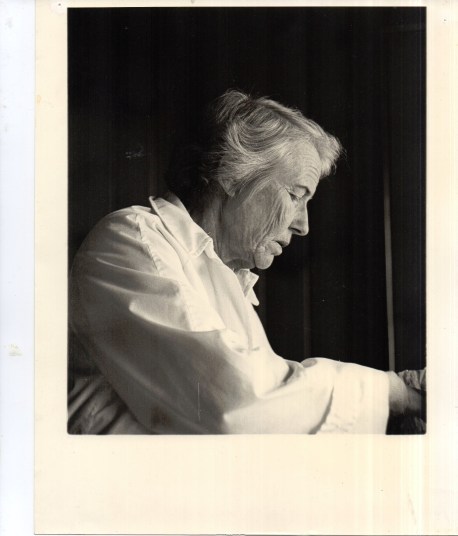 The medium sized cardboard carton was waiting for me to open and sort through the contents. My mother lived to the age of ninety eight, and it looked as though she never threw anything out that she received in the mail. I had brought it back with me from the storage unit in South Carolina. It contained paper of all sorts, including old photographs, that she had seen fit to keep for many years. Until I opened it I had no idea just how long those years had been.
 I grew up in the country, and the only neighbor I really knew was my Great Aunt Alice, because we lived in a smaller home on part of her property. There were no children for me to play with except some siblings across the street. My parents did not know theirs and I was not permitted to invite them in or to go to their house. To be fair, they were not a very kind bunch. There were two sisters and their brother, who was rather rough. They went to a different school than I did and I had very little in common with them. It is lovely to have neighbors, and once I had one who was special indeed.
 Long ago when I first used to drive myself places I hadn’t been before, following directions I had been given, I used to get lost three or four times until I found my way. Later on I would try to use a map, however having issues with right and left and getting them mixed up, I often just had to rely on asking wayward strangers for help. Then the GPS came along and it seemed miraculous to simply plug in my destination and tell the kindly machine to take me to it. Alas sometimes it works differently than one might expect. Which is what happened to me and some friends on our way to a performance in Medfield.
 At the time I was born my mother was newly come to the US, a bride of less than a year. Except for my father, she was very much alone in a big city, and I was her only companion for quite a while. I have often thought that my persistently positive perspective on life may have had its roots in my trying to cheer her up when she was sad and missing her family and friends back in her home country. Over the years since I have come to understand the power of a positive perspective on a potentially negative situation or experience.
 However, with my large family and my small budget I had to make sure everyone got enough and my children still remember how they had to cross off each fruit or cookie on their list whenever they took one. That was how I made sure no one felt cheated. These days with just me and Stephen to feed, I don’t have to ration treats. However, my recent diagnosis of diabetes means I cannot indulge my taste for sweets or for fruit the way I would like.
 Pujakins