Heartwings says, “Love is alive when another is cherished with loving acts.”
Earlier in this lifetime, at the age of eighteen, I met my children’s father. It was at a dance in February, a week or so before Valentines’ Day. I was quite taken by his good looks and ardent personality. Wanting to send him a valentine card, I checked out several stores that sold them. To my dismay, none of them had any valentines I liked.
In desperation, not wanting the day to pass without some token of affection, I purchased a humorous one. Unfortunately, I didn’t pay enough attention to what the comment said. My sending that card almost ended the relationship right then. After all these years I do not recall the words, only what happened. Fortunately, my new boyfriend and eventual first husband had a good sense of humor, and soon we both ended up laughing at my gaffe.
Long ago there was a tradition of snide or uncomplimentary valentine cards. Less popular today, they seem to be almost altogether a relic of the past. My home town of Grafton is close to Worcester, the city that claims to be the manufacturer of the first US Valentines. This was around 1800, and continued onward, the cards becoming more elaborate and even more popular when postal rates went down. Comic, or vinegar valentines such as the one I ended by using, were first created in 1870 by John McLoughlin a New York printer. They sold for a penny and were sometime called penny dreadfuls.
It is on Valentine’s Day that the second most cards are sent, Christmas being the first. At one time I made all my own valentines, and took great pleasure in doing so. When I was in grade school, we exchanged simple, inexpensive valentine cards, and often the teacher brought in cookies, often heart shaped or with frosting. My mother discouraged sugary sweets, so that was a treat to remember.
In this world of grim news and tragedy, love of every kind is even more important than ever, and a day devoted even principally to romantic love is special for its message. However, more than that, love is the answer to many situations and questions, especially “what can we do?”
Sending and receiving love of all kinds is vital to help change the world to a kinder, friendlier, more compassionate place to be. The more love that is expressed, accepting, filial, amorous, healing, and more, the less there will be of its opposite: judging, shunning, ignoring, disapproving, and more.
A wise teacher of mine once told me, “You don’t have to like everyone, but you must love everyone.” This may be difficult to do, especially with those individuals who seem to be bent on destructive behavior, yet one can feel compassion for them, one can wish them to wake up and change. Love, in whatever form is often the answer to many difficult situations, and a day devoted to it is a joy to the heart, whether or not any valentines are sent.
May you honor Valentines Day however you wish, with love.
Blessings and best regards, Tasha Halpert
PS Do you have any reminiscences to share or happy memories of valentines? I would love to hear about them. Readers’ email is a joy to my heart. Check out my blog at http://tashasperspective at Pujakins/from the poets heart. You can read past Love Notes there and sign up to receive them weekly in your in box.
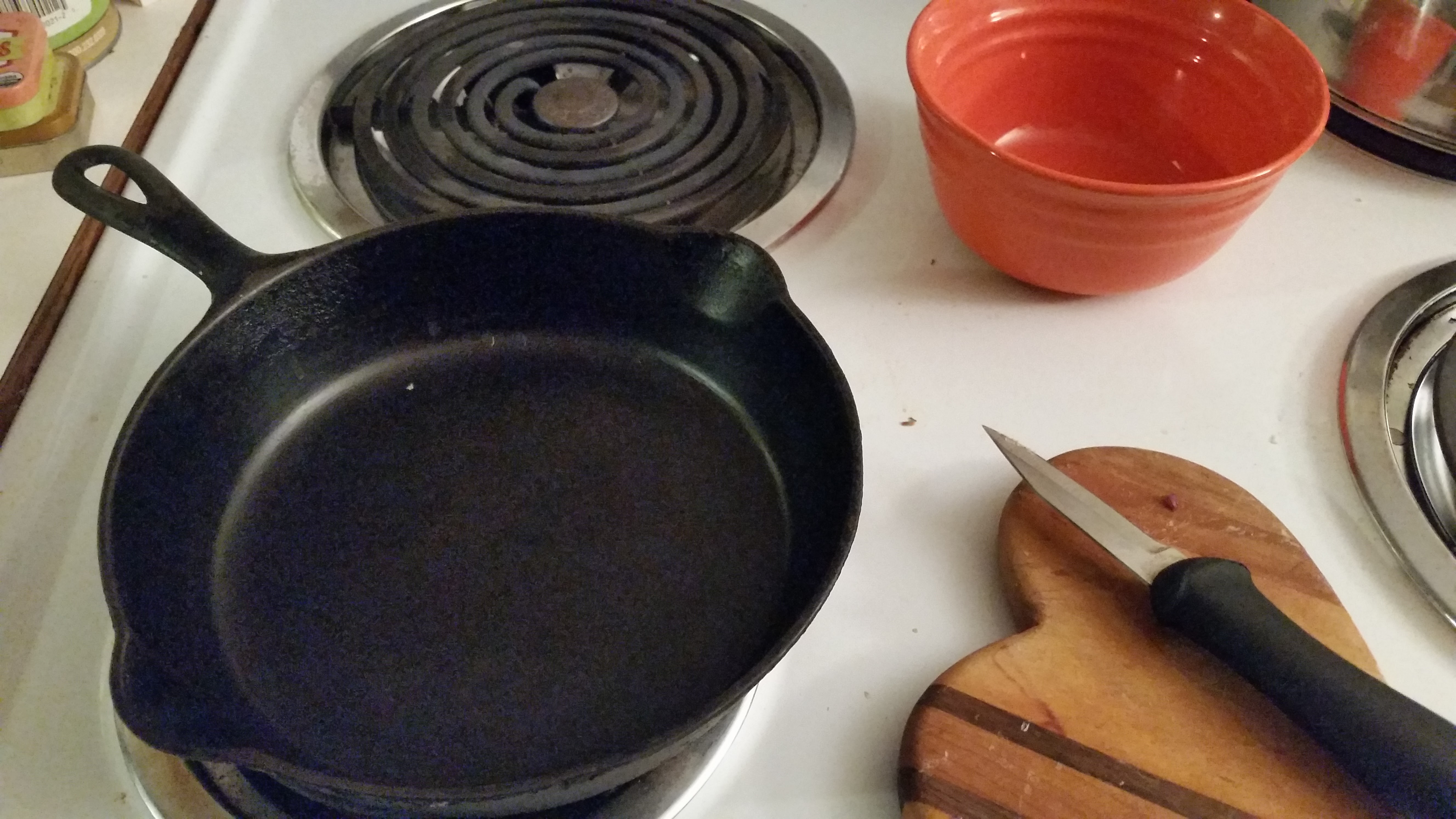 There was an advertising phrase that went, “Nothing says loving like something from the oven…” however, I think the advertising agency had it backward. It’s the love in the preparation that does this. The oven only helps, as do the ingredients, preferably as clean and fresh as possible. Love helps us to choose them, as well as to guide the utensils used in the preparation. Furthermore, the focus of the mind is an important ingredient as well. If I am angry or upset when I am preparing food, it could affect the way it tastes as well as the way it is digested. Though I can’t prove it, it’s my belief that thoughts and feelings can be powerful in their effect on food.
 In St. Paul’s well known Letter to the Corinthians, Book 1, Chapter 13, he speaks of the nature of true charity. He lists ways to give and to each he adds “and have not true charity” (to paraphrase) “what I do is hollow and meaningless.” His description of true charity is the equivalent of a definition of unconditional love. The giving of love in unconditional ways means we do not expect anything back from our giving, nor do we make any judgments about those to whom we are giving.
 On the rare occasions when I have been without anyone to cook for except myself I found that I had very little interest in making my own meals. While I truly love to cook for my friends and my family, in my experience, it brings me been little to no pleasure to cook just for me. Lately, I haven’t had to deal with that problem, and while I hope I won’t have to in the future, if I do, I will try to think differently. This attitude may be why most if not all of the retirement and assisted living communities have food plans included in their fees, as well as dining rooms that serve up to three meals a day.
 When we call our planet Mother Earth we are speaking the literal truth. Although our bodies grew inside and were birthed by a human mother, the elements that comprise it are derived from the substance of earth. The mother of us all, whether as individuals or collectively, is our planet. One of the names of our mother is Gaia. There are many who believe she is a living entity in which, along with every other living thing—animate or inanimate, we are cells.
 and death or even disaster was to be spoken of, someone would say, “Not in front of the children.” The subject would be changed or I would be told to go off and play so the adults could continue their discussion. Yet because we had animals, death and change were part of my life. I witnessed the drowning of baby ducks and the demise of baby chicks. It was hard when a dog got into my pet rabbits’ pen and maimed them. My aunt’s gardener had to–as I was told, “put them out of their suffering.” Death was no stranger to my childhood. I am neither uncomfortable with it nor afraid of it.
 One of my fond Christmas memories is of my dad sitting by our living room fireplace wrapping and addressing his Christmas gifts to his workers and others with whom he had a working relationship. He was a horticulturalist and his company was on the North Shore where there were many fine estates and special gardens. He was good at designing views and helping the owners of the estates and their caretakers maintain their trees and shrubs.
 Pujakins